The Substance Belongs to Christ (Colossians 2)
Colossians 2
This is a recap of our Bible Caller Club meeting on June 27th, 2026 over this passage. If you want to join the club and attend future meetings and study with us via phone, click here.
Context:
In our study on June 27, 2026, we jumped into the second chapter of Colossians. Paul is writing to this church to address false teachings, a blend of philosophies known as syncretism, which were pulling them away from the truth of the gospel. This passage flows directly from his earlier warning in chapter one to remain "firmly grounded and steadfast and not moved away from the hope of the gospel," as Paul now directly confronts the specific philosophies threatening to move them away.
1. What’s happening in this passage?
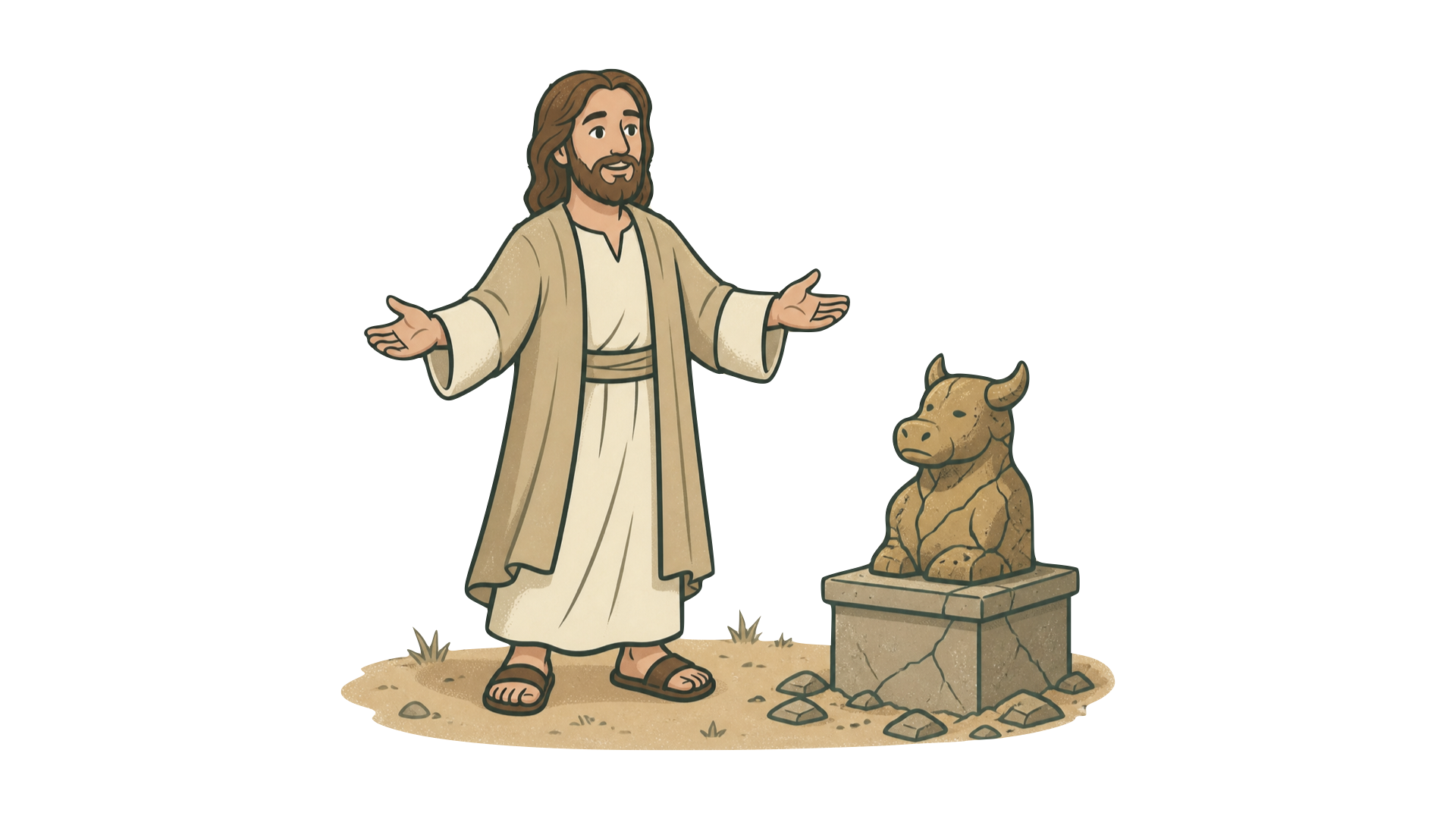
Tonight, we read through Colossians chapter two, where the Apostle Paul directly confronts a wave of false teachings that were troubling the church in Colossae. He starts by expressing the "great struggle" he has for them, wanting them to have the "full assurance of understanding" which is found in the mystery of Christ Himself (vv. 1-2). Paul is turning the false teachers' own language of "mystery" and "secret knowledge" back on them, showing that all true wisdom and knowledge are hidden in Jesus (v. 3). He warns the believers not to be taken "captive through philosophy and empty deception" (v. 8), which were based on human traditions rather than Christ. As one of our members pointed out, these believers were being deluded by man's philosophy and traditions, tragically missing the whole point while thinking they were following God. Paul systematically dismantles these deceptions by asserting Christ's total sufficiency: in Him, the fullness of God dwells, and we are made complete in Him (vv. 9-10). He explains that the old requirements, like physical circumcision, are obsolete; our "circumcision of Christ" is a spiritual one, and the certificate of debt that stood against us has been canceled and "nailed it to the cross" (vv. 11-14). Therefore, no one should judge them on matters like food, drink, or festivals, as these are "only a shadow of what is to come, but the substance belongs to Christ" (vv. 16-17). Paul concludes by warning against self-abasement, angel worship, and man-made rules like "Do not handle, do not taste, do not touch," explaining that while they might look wise, they have no real value in overcoming sin (vv. 18-23).
2. What is God revealing about humanity?
Our discussion highlighted a few key truths about our human nature. As one club member pointed out, we have a tendency to make things more complicated than they need to be, especially the simple truth of the gospel. We get sidetracked easily and can be "deluded... with persuasive arguments" (v. 4). We like to add rules and make people "jump through hoops," often elevating our own traditions above God's Word. Another member noted our desire for attention; we can get "puffed up for nothing by [our] fleshly mind" (v. 18), seeking knowledge to make ourselves look holy or smart in the eyes of others. We learned that even after being saved, we are susceptible to worldly philosophies and creating religious rules that might seem holy but have no real power against sin and, in fact, detract from God's glory.
3. What is God revealing about Himself?
In our study tonight, we saw powerful revelations about who God is. Primarily, the mystery of God is fully and completely revealed in the person of Jesus Christ (v. 2). He is the one "in whom are hidden all the treasures of wisdom and knowledge" (v. 3). We learned that God doesn't make salvation complicated; through Christ, he has "taken it out of the way, having nailed it to the cross" (v. 14), removing the old rules and regulations that stood between us and Him. As was mentioned, God is the one who holds us together and causes us to grow (v. 19). We also discussed how God is a jealous God, but for our own good; He is the "substance," while everything else is just a "shadow" (v. 17). He is the ultimate authority who has "disarmed the rulers and authorities" (v. 15), meaning He trumps every other philosophy, religion, and worldview.
4. How should our lives change?
This chapter gave us several clear applications for our lives. The most prominent, as one member shared, is that we must not be "deluded." We need to avoid a "secondhand faith" that relies on podcasts, books, or preachers, and instead go directly to the source and cultivate our own relationship with God. Another practical takeaway was to stop being judgmental about non-essential issues, such as how others observe holidays. We aren't to "judge you in food or drink or in respect of a festival" (v. 16), and we must stop imposing our human traditions on others. Finally, this chapter should give us incredible confidence. We have access to the full knowledge of Christ! We should rejoice in the fact that we can know Him personally. The main message for us is to hold fast only to Christ, reject all man-made religious rules that detract from Him, and refuse to let anyone or anything rob us of the complete sufficiency we have in Jesus.