

Answer The Call
The Bible Caller Club Meeting Notes Blog
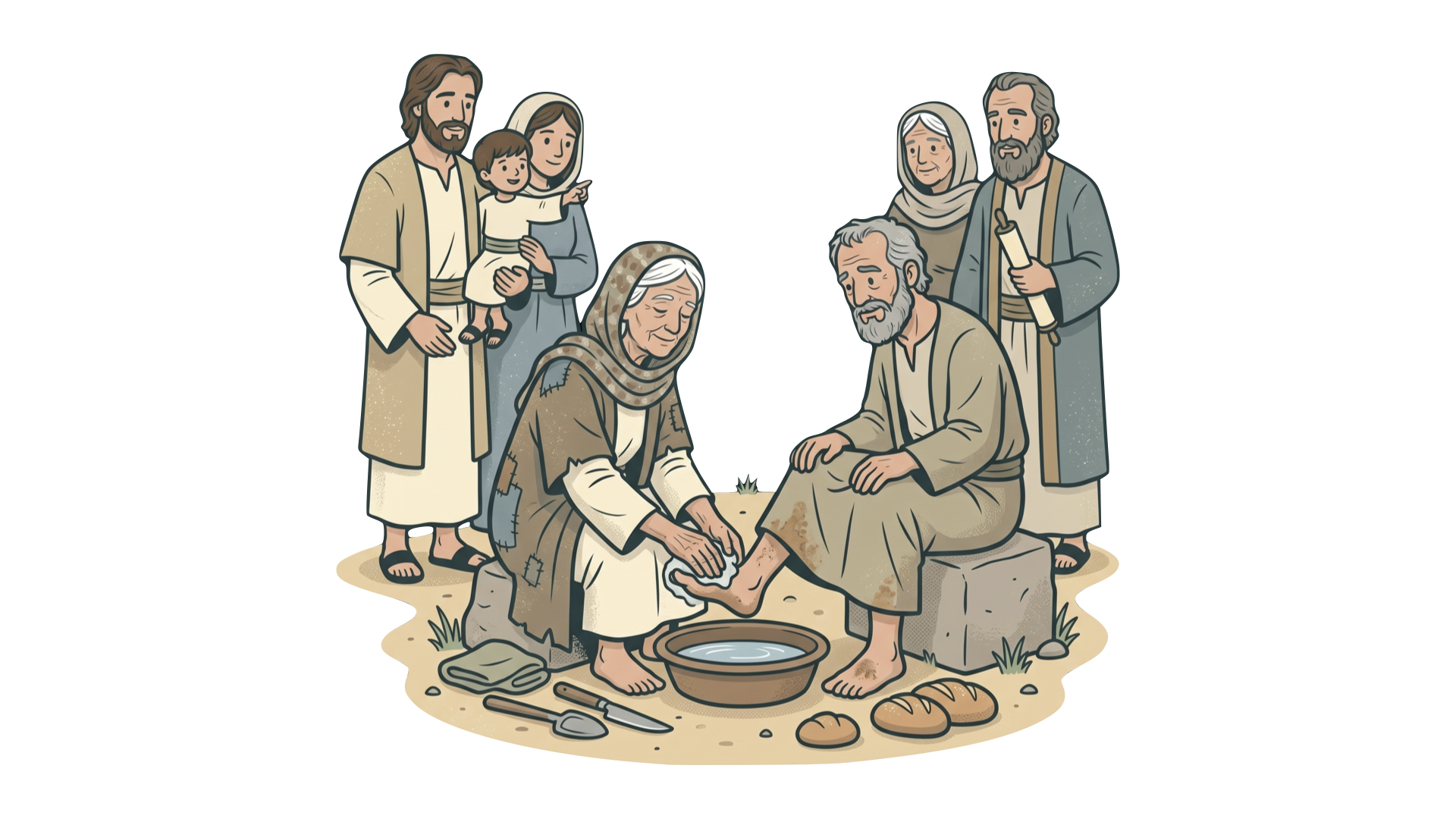
Good Works Are Quite Evident (1 Timothy 5)
In 1 Timothy 5, Paul instructs Timothy on cultivating family-like honor within the church by caring impartially for genuinely devoted widows, supporting and holding elders accountable, and ensuring that believers demonstrate their faith through evident good works and responsibility to their families.
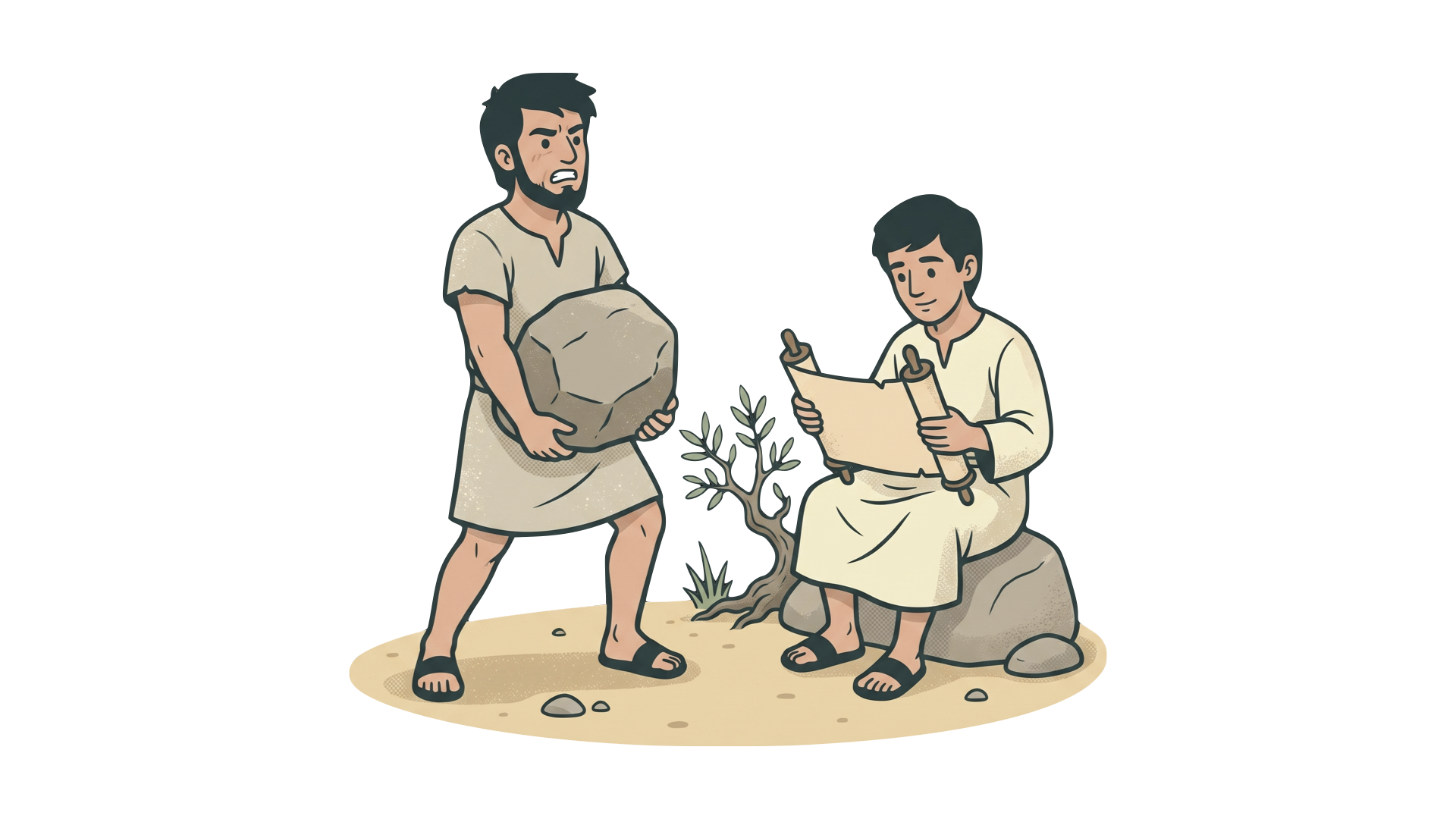
Take Pains With These Things (1 Timothy 4)
In 1 Timothy 4, Paul warns of apostasy and legalistic false doctrines, urging Timothy to labor and train himself in sound doctrine and godliness so that he may serve as an exemplary model of faith and preserve both himself and his hearers.
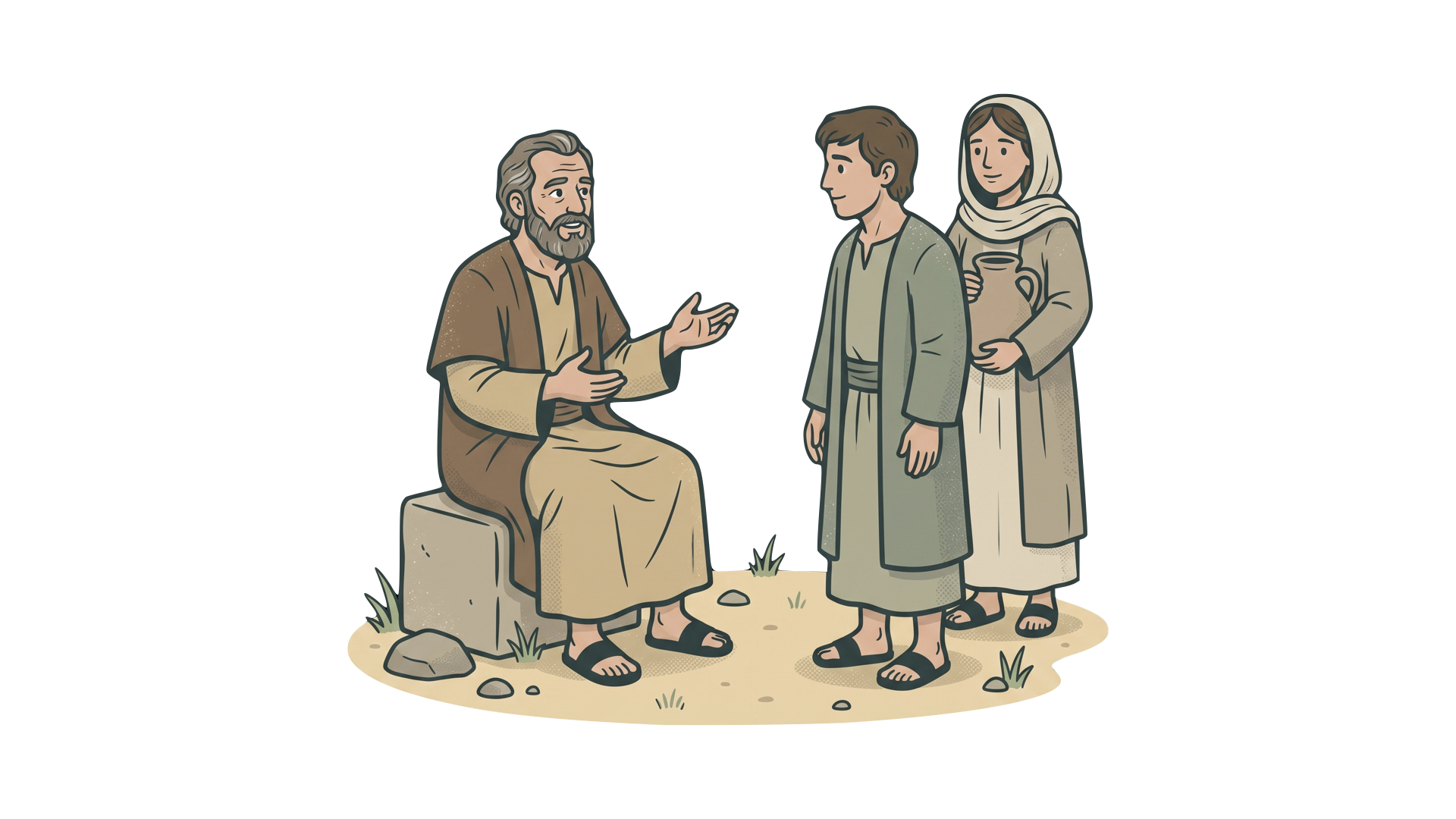
How One Ought to Conduct Himself in the Household of God (1 Timothy 3)
In 1 Timothy 3, Paul establishes the godly character qualifications for overseers and deacons so believers know how to conduct themselves properly within the household of God, which stands as the pillar and support of the truth.

God Desires All Men To Be Saved (1 Timothy 2)
In 1 Timothy 2, Paul directs the church to pray for all people through the one Mediator, Jesus Christ, and defines distinct, complementary roles for men in holy prayer and women in modest godliness and good works.
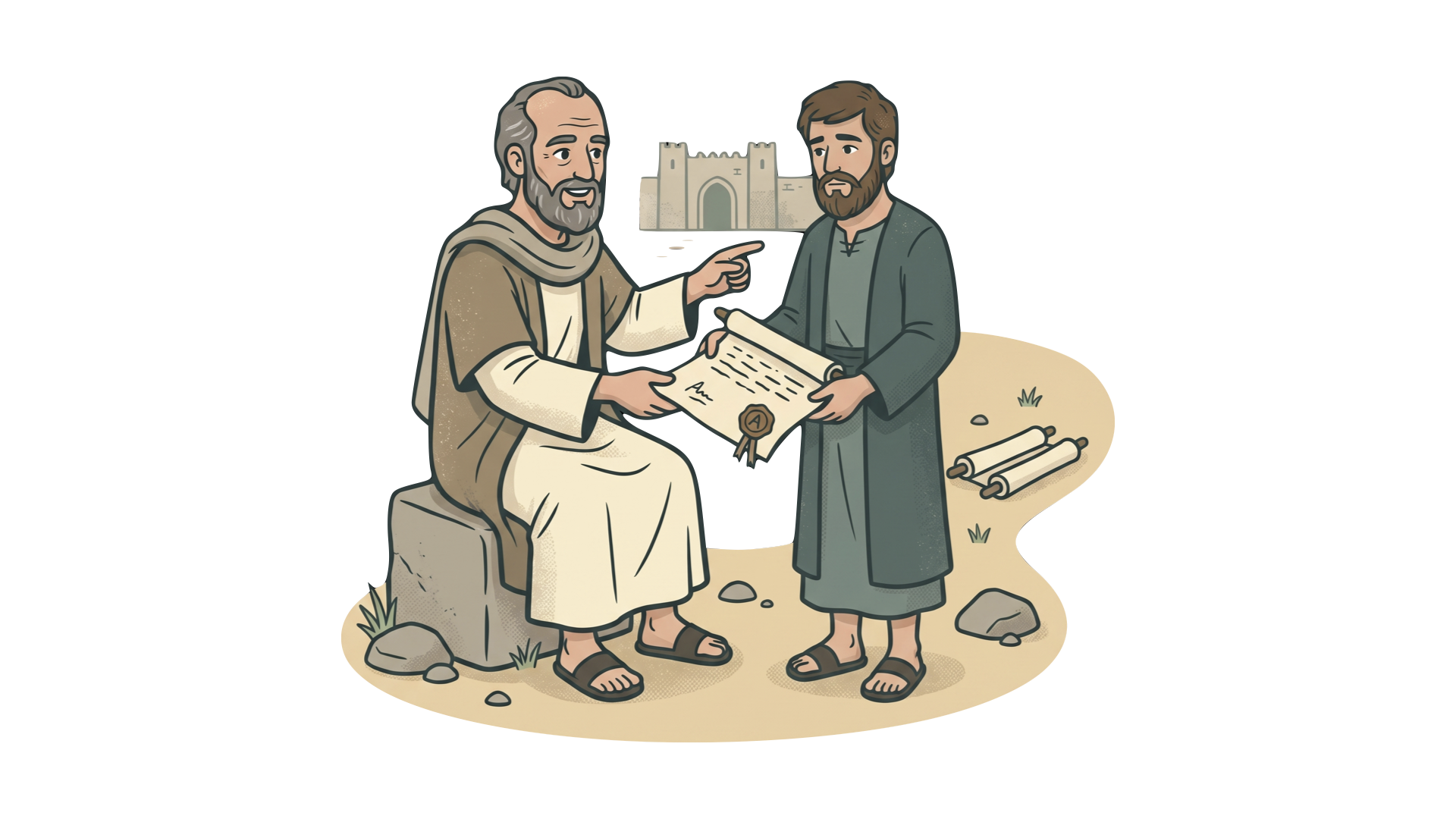
Love From a Pure Heart (1 Timothy 1)
In 1 Timothy 1, Paul charges his trusted mentee Timothy to confront false teachers in Ephesus, contrasting their divisive speculations with the true purpose of God's law and the transformative grace of the gospel that changed Paul from the foremost of sinners into a living showcase of God's abundant mercy.

Do Not Lose Heart in Doing Good (2 Thessalonians 3)
In 2 Thessalonians 3, Paul urges the church to remain steadfast in prayer, emulate his example of hard work, and lovingly discipline those who choose idleness rather than contributing to the community.
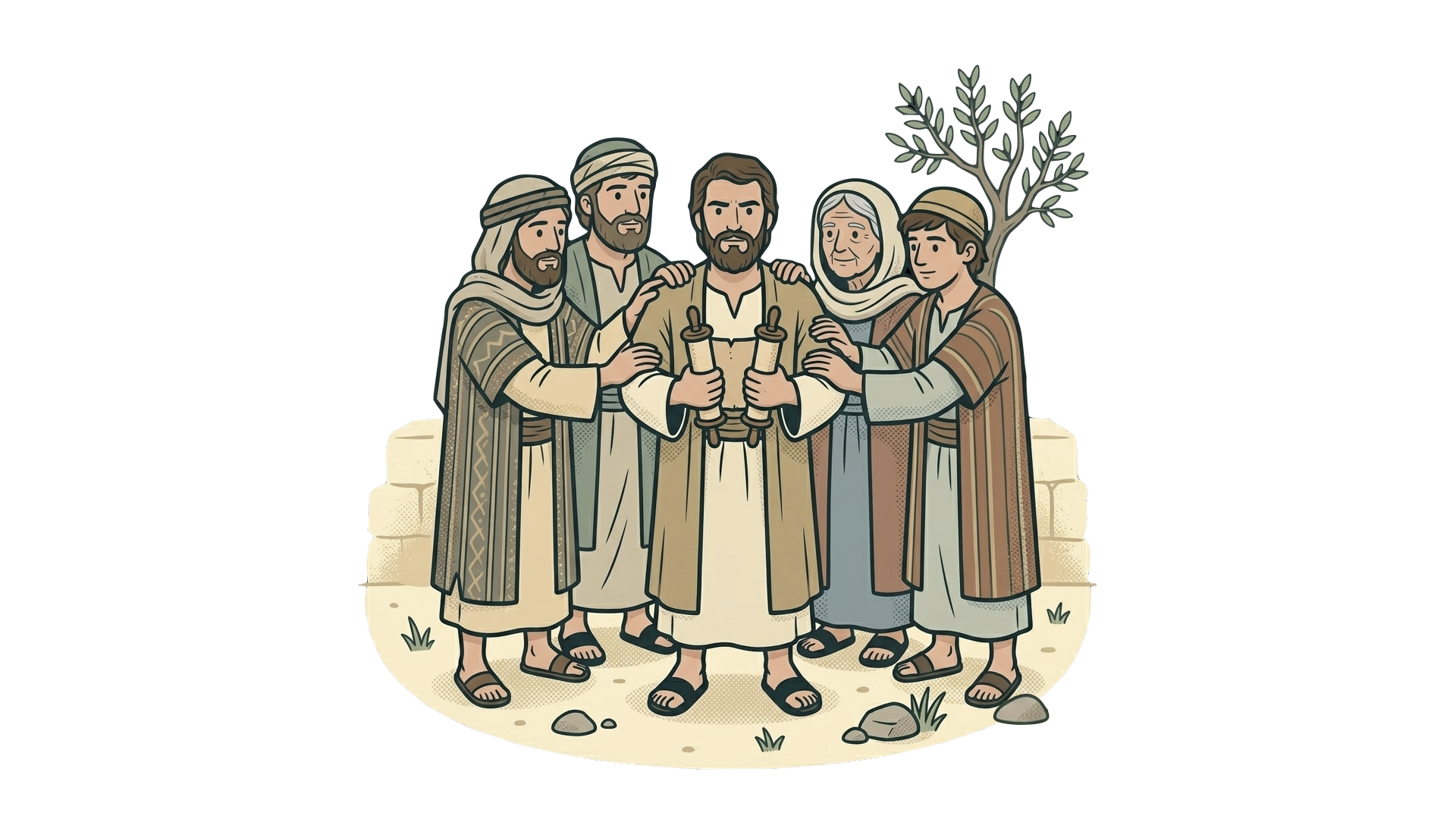
Stand Firm and Hold to the Traditions (2 Thessalonians 2)
In 2 Thessalonians 2, the apostle Paul clarifies the sequence of events surrounding the end times—warning against deception regarding the day of the Lord, describing the future revelation of the man of lawlessness, and encouraging believers to stand firm and hold fast to the truth of God.
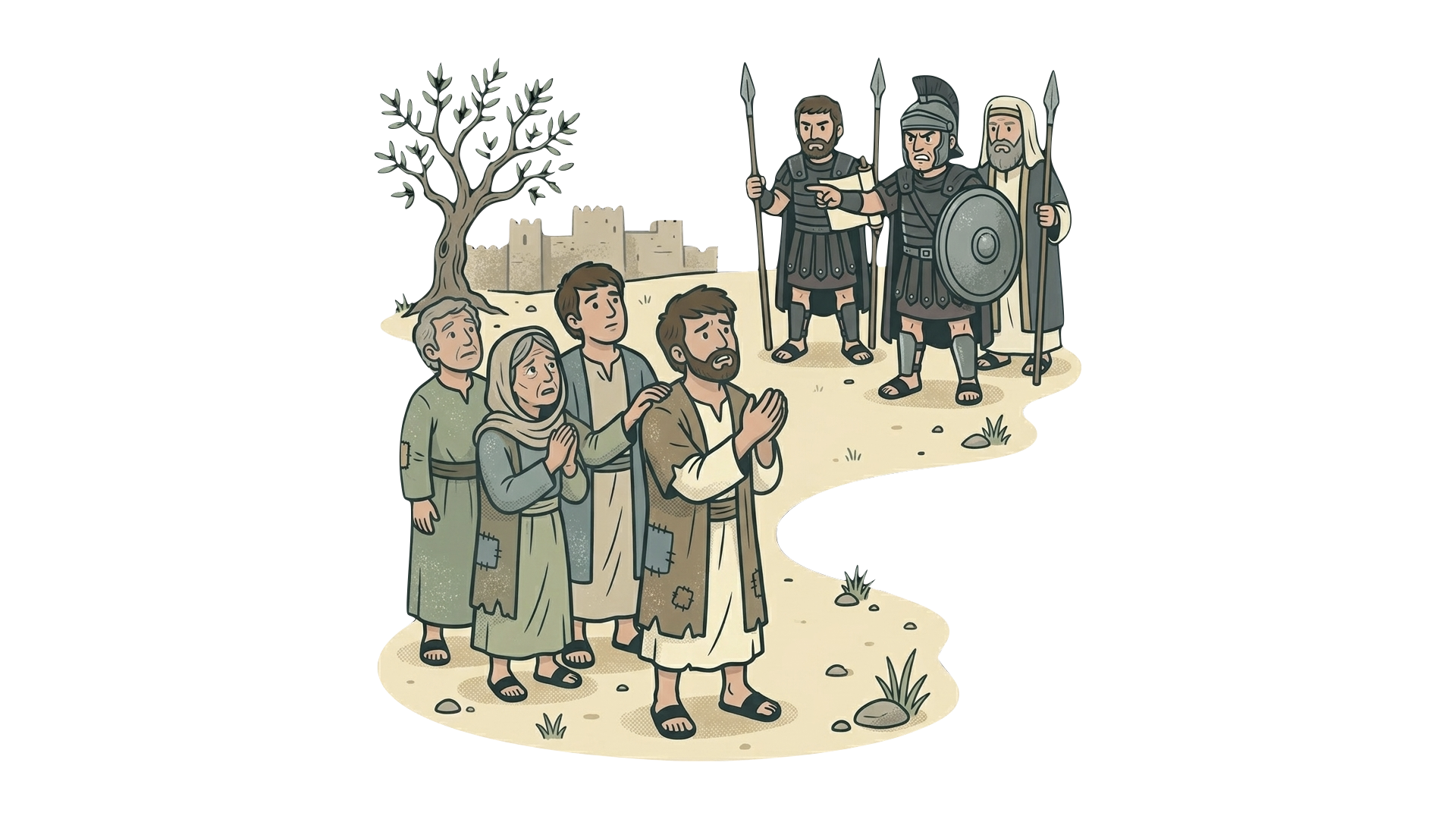
Considered Worthy of the Kingdom of God (2 Thessalonians 1)
In 2 Thessalonians 1, Paul encourages persecuted believers by commending their growing faith, assuring them that their suffering makes them worthy of God's kingdom, and promising that Christ's return will bring them rest and execute divine justice.
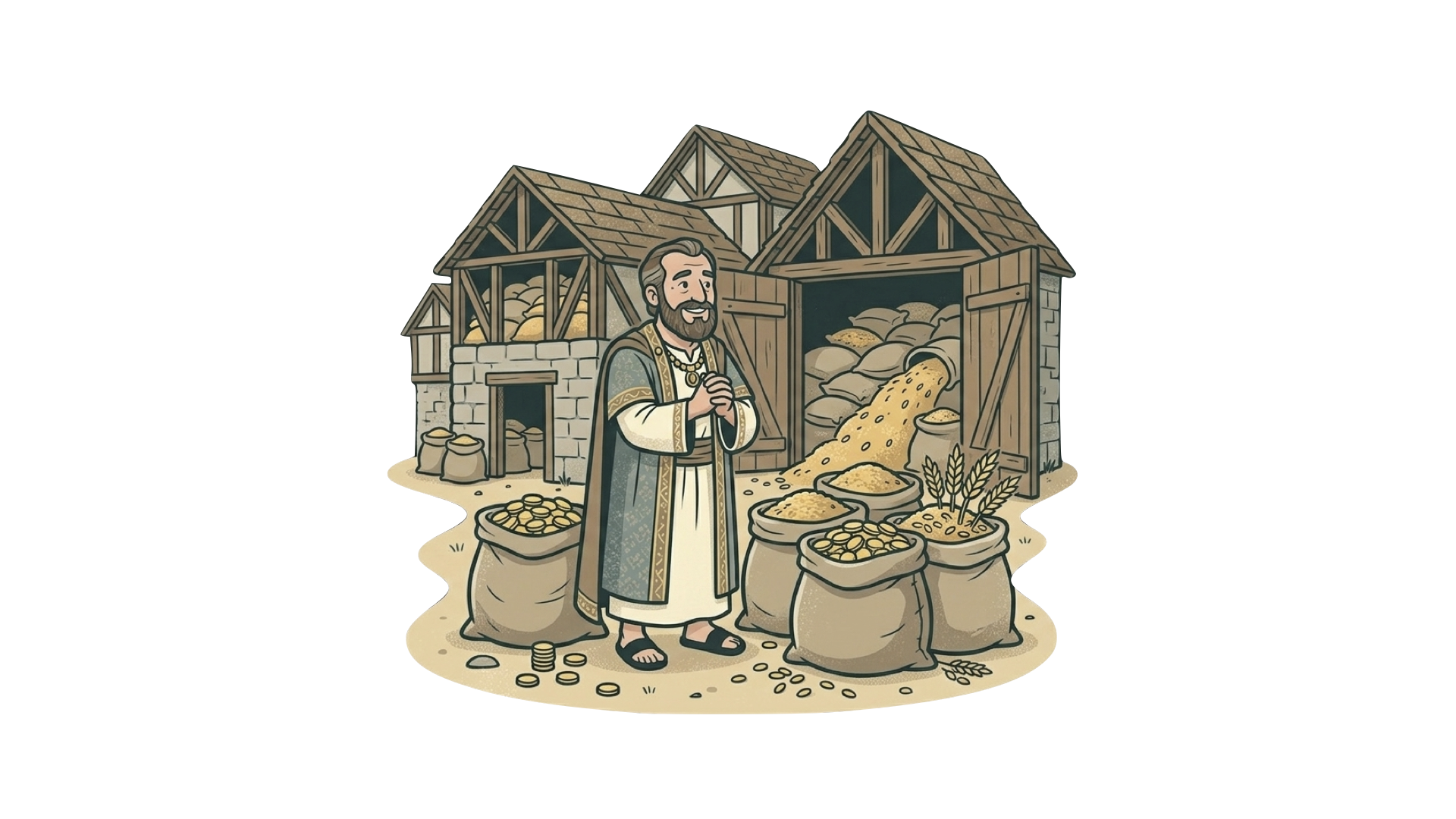
For Where Your Treasure Is, There Your Heart Will Be Also (Luke 12)
Luke 12 warns that hypocrisy, greed, worry, and spiritual unpreparedness can keep us from God’s kingdom, and calls us to fear God rightly, trust His care, and seek His kingdom first.
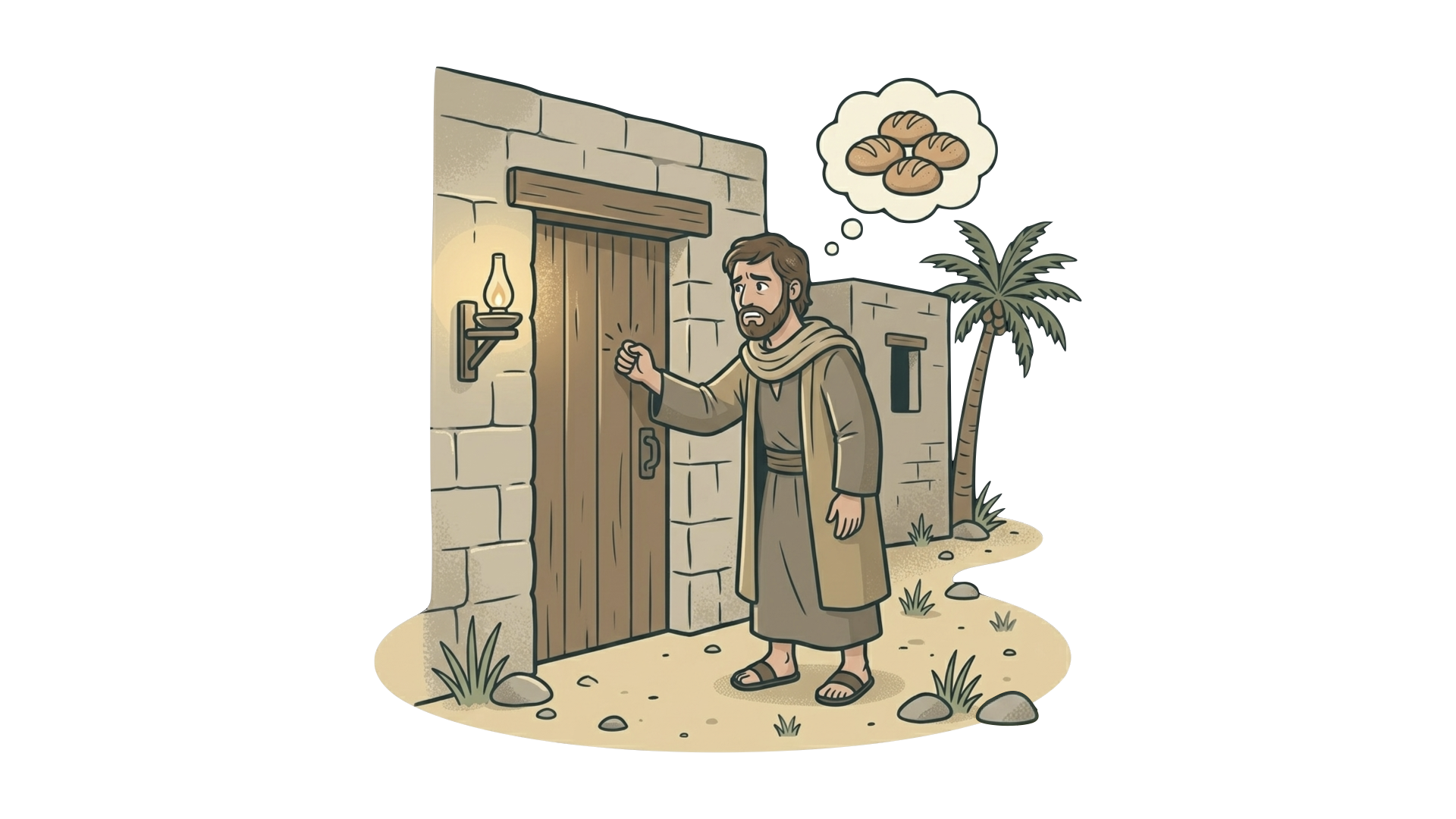
Knock And The Door Shall Be Opened (Luke 11)
Luke 11 shows that God is a generous Father who invites persistent prayer, exposes hypocrisy, and calls us to hear and obey His word with a heart made full of His light.
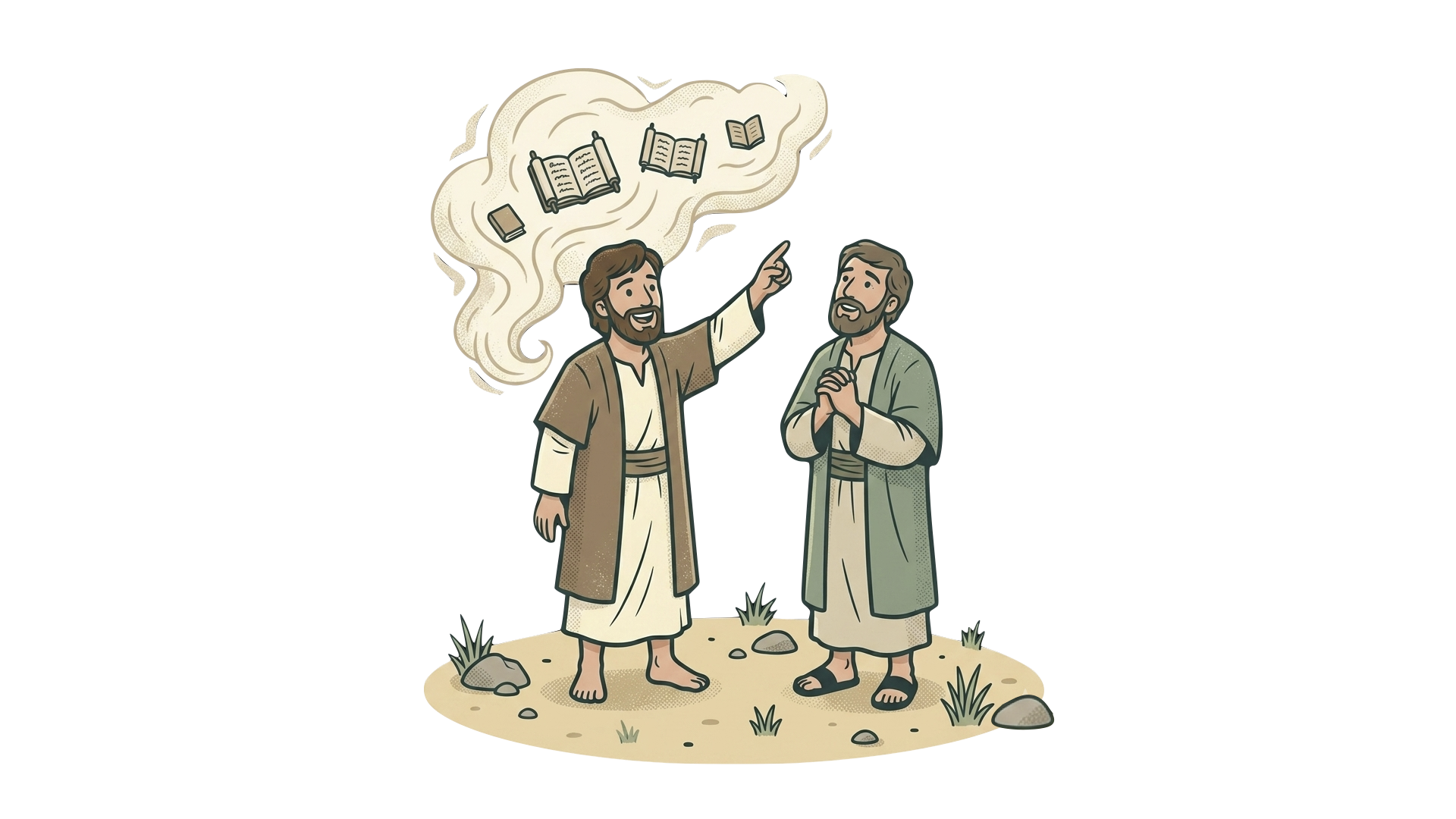
Rejoice That Your Names Are Recorded in Heaven (Luke 10)
Luke 10 shows that receiving God’s kingdom means hearing Jesus with humble attention, showing mercy without excuse, and choosing His presence over distraction or self-justification.
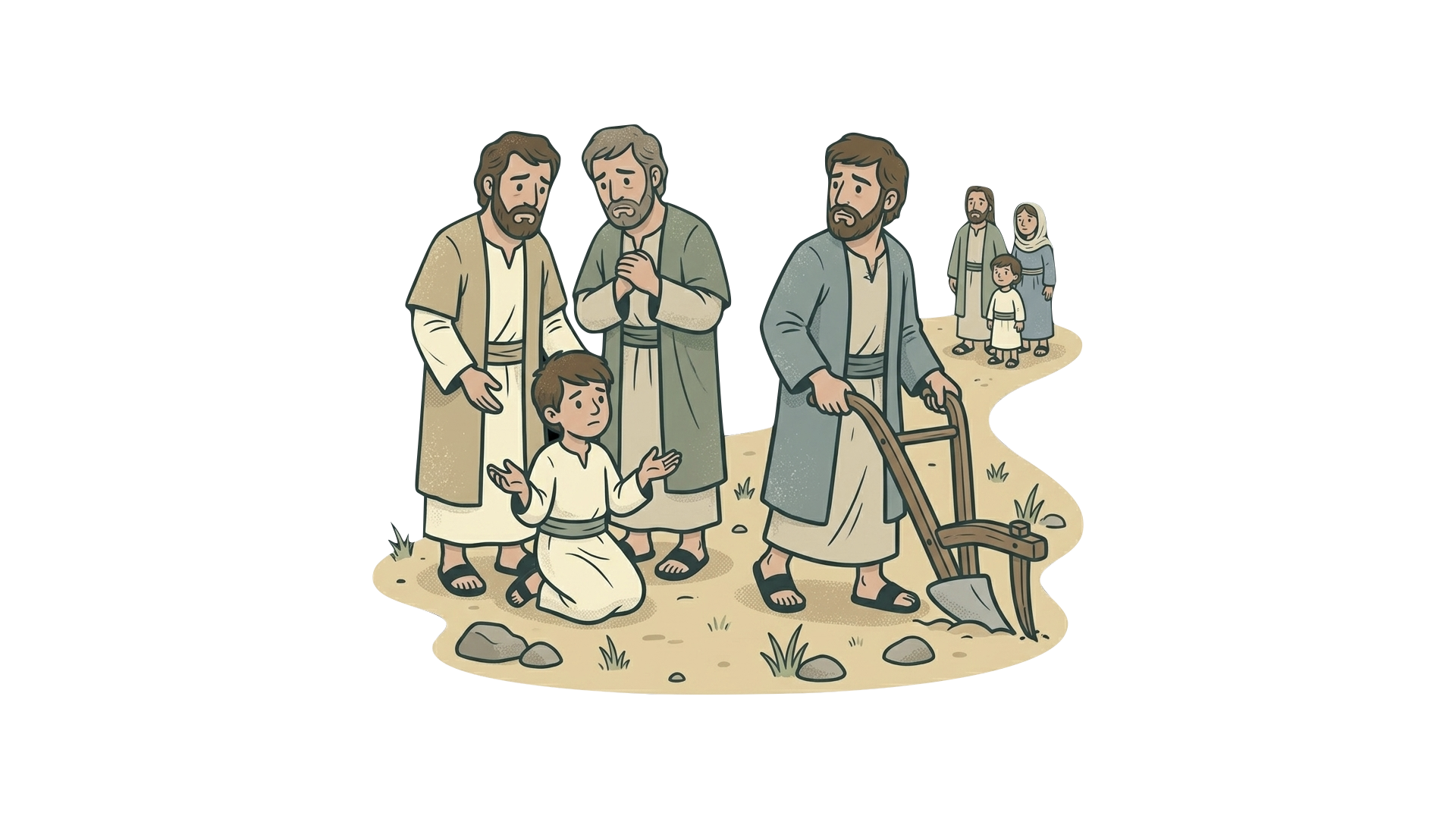
Put These Words Into Your Ears (Luke 9:37-62)
Luke 9:37–62 calls us to truly hear Jesus by rejecting pride, control, and half-hearted commitment, and instead embracing the costly path of humble, immediate, and wholehearted discipleship.
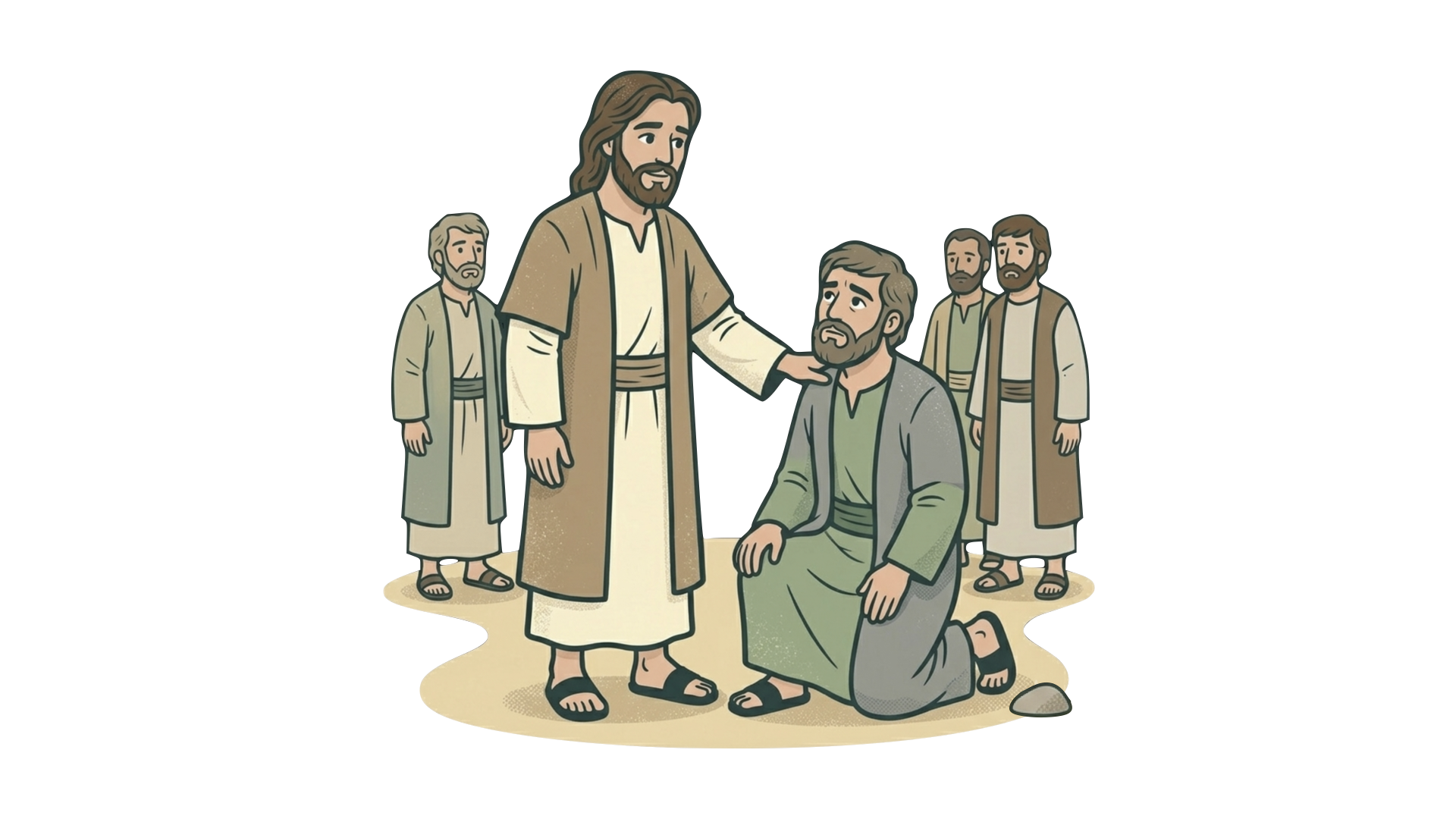
But Who Do You Say That I Am? (Luke 9:1-36)
Luke 9:1–36 reveals Jesus as the Christ of God—the only one with ultimate authority—calling us to listen to Him, deny ourselves, and trust that He can multiply our little into enough for His kingdom.
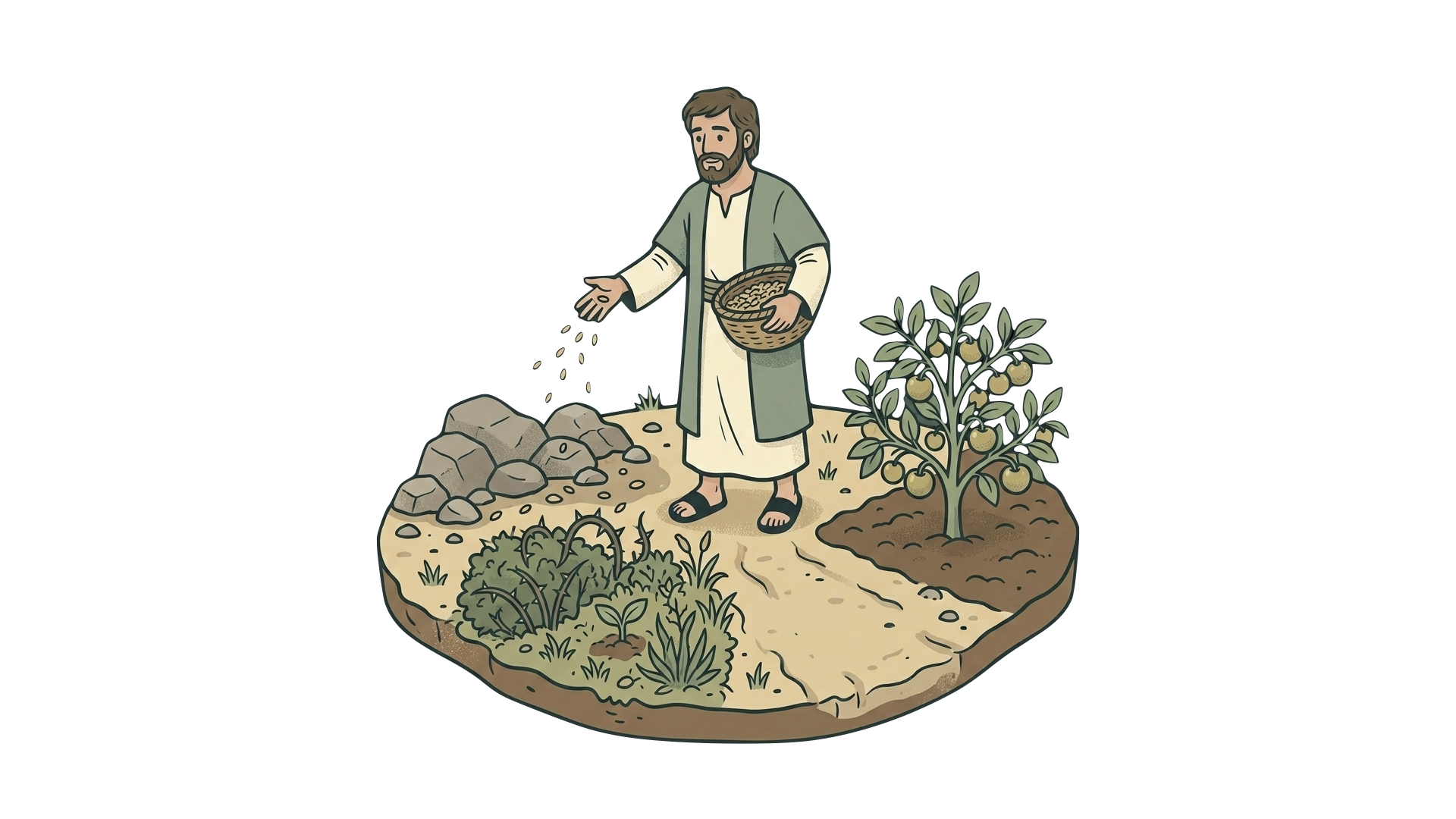
He Who Has Ears to Hear, Let Him Hear (Luke 8)
Luke 8 teaches that the power of God’s word bears fruit only in hearts that truly hear, trust, and act on it, revealing Jesus’ authority over all things and calling us to respond with faithful obedience rather than passive hearing.
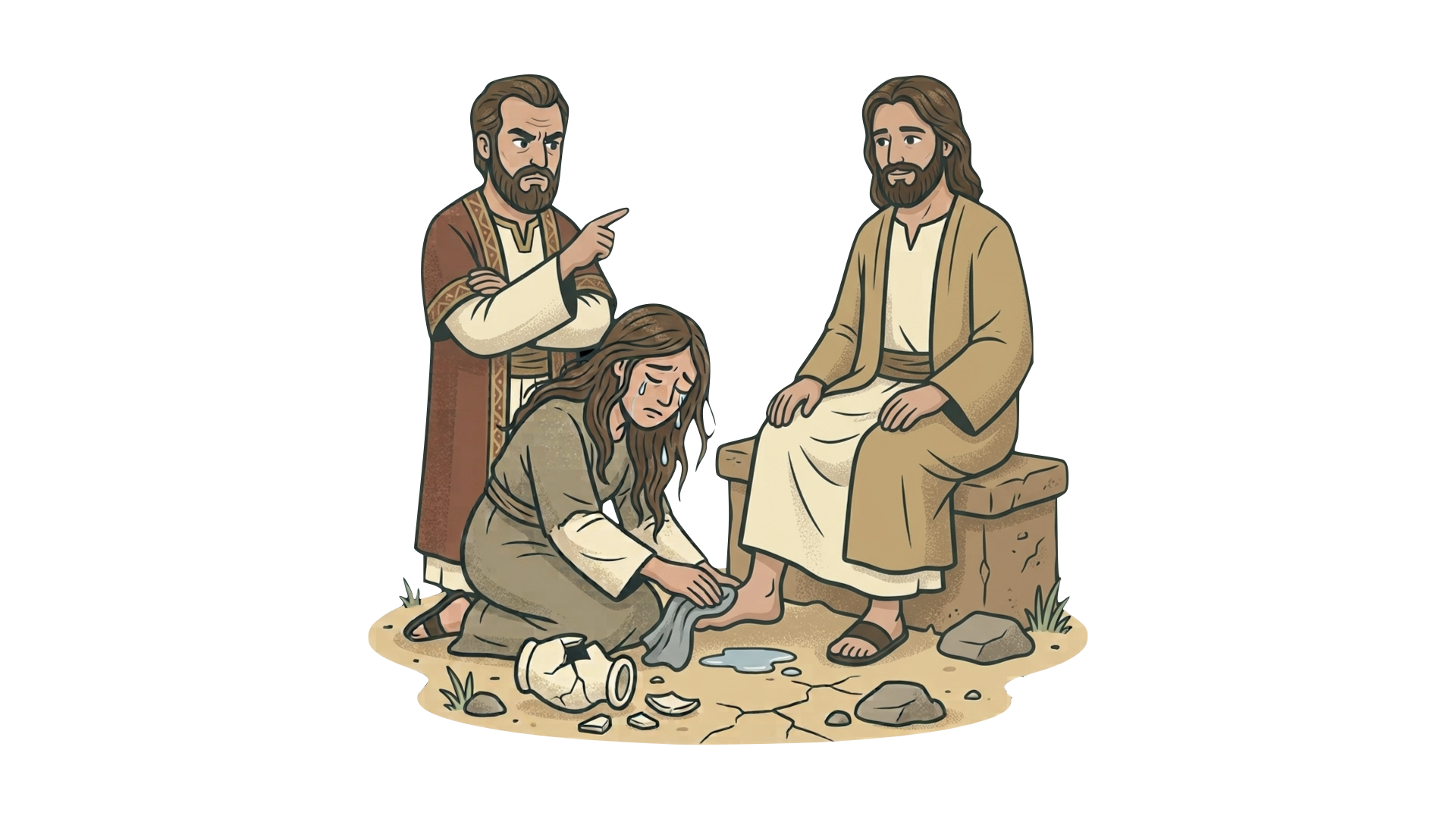
He Who Is Forgiven Much Loves Much (Luke 7:44-50)
Luke 7:44–50 teaches that those who truly recognize the depth of their forgiven sin respond with humble, extravagant love, while self-righteousness blinds us to both our need for grace and our capacity to love.
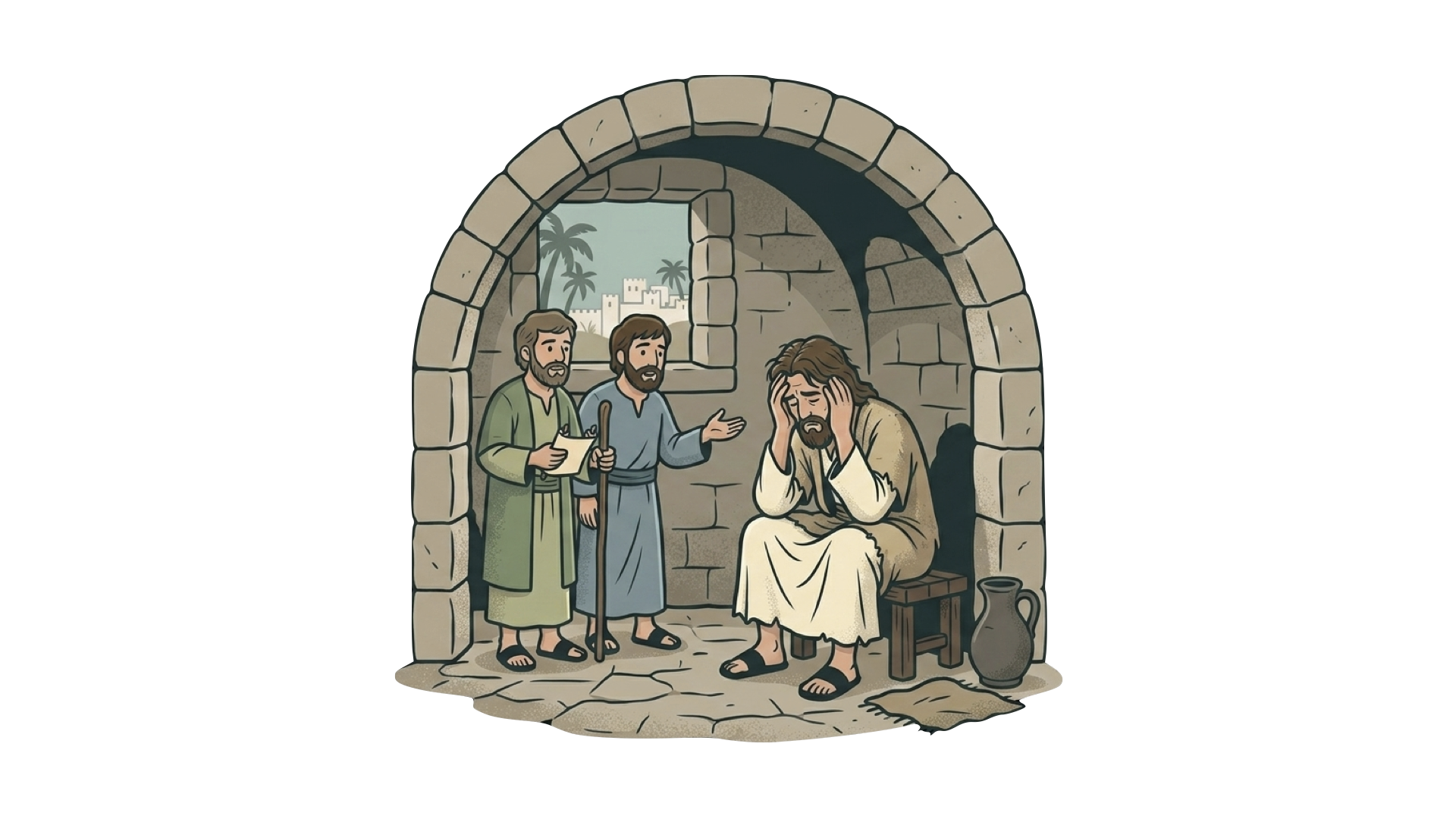
We Must Not Take Offense at Jesus (Luke 7:1-35)
Luke 7:1–35 reveals that Jesus’ authority and compassion meet people in faith, doubt, and suffering, calling us to trust Him without taking offense when His ways differ from our expectations.
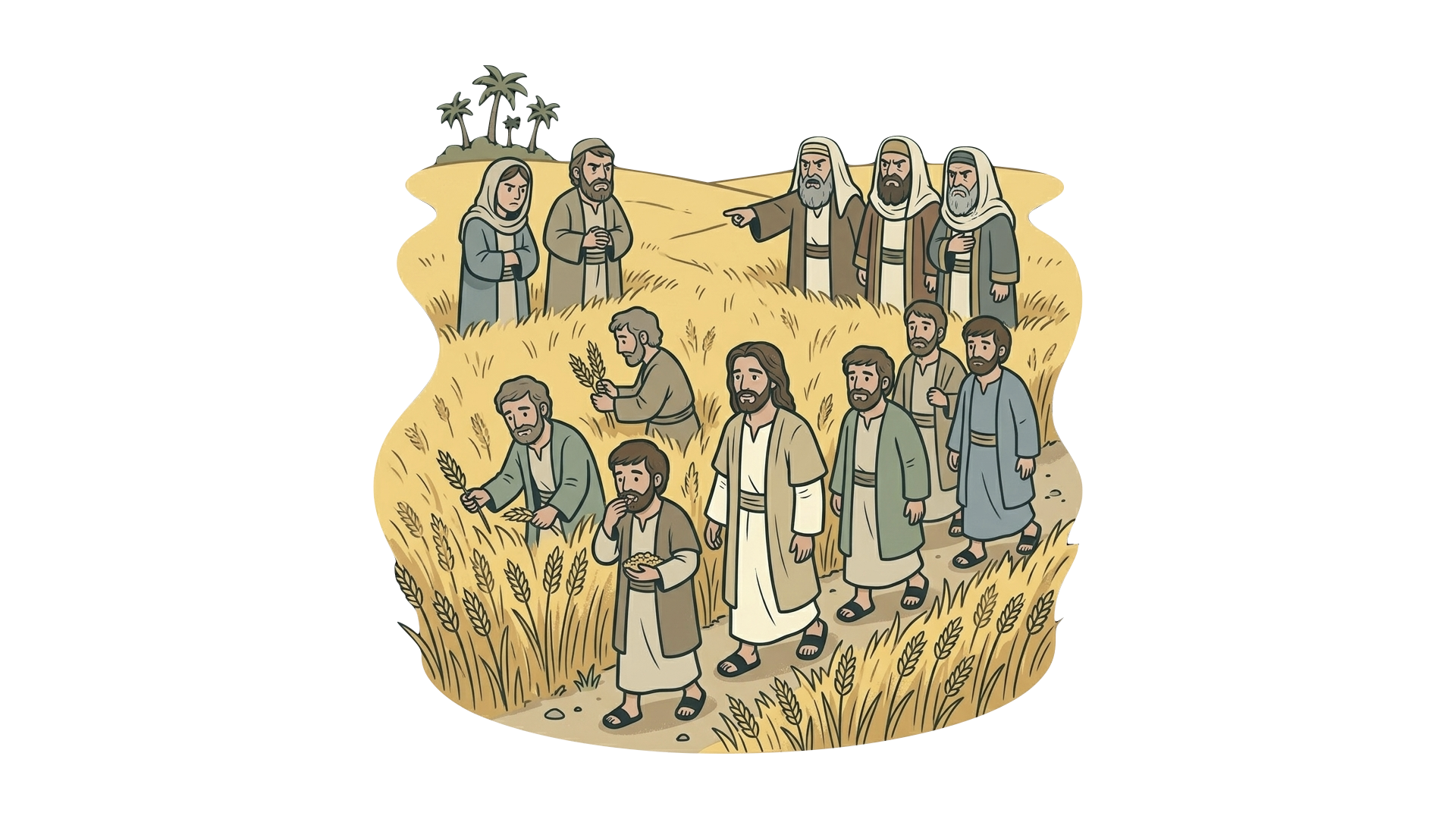
The Son of Man is Lord of the Sabbath (Luke 6)
Luke 6 shows that Jesus, as Lord of the Sabbath, calls us to reject empty legalism and instead build our lives on His merciful authority by humbly obeying His teachings and loving others, even when it challenges our natural tendencies.
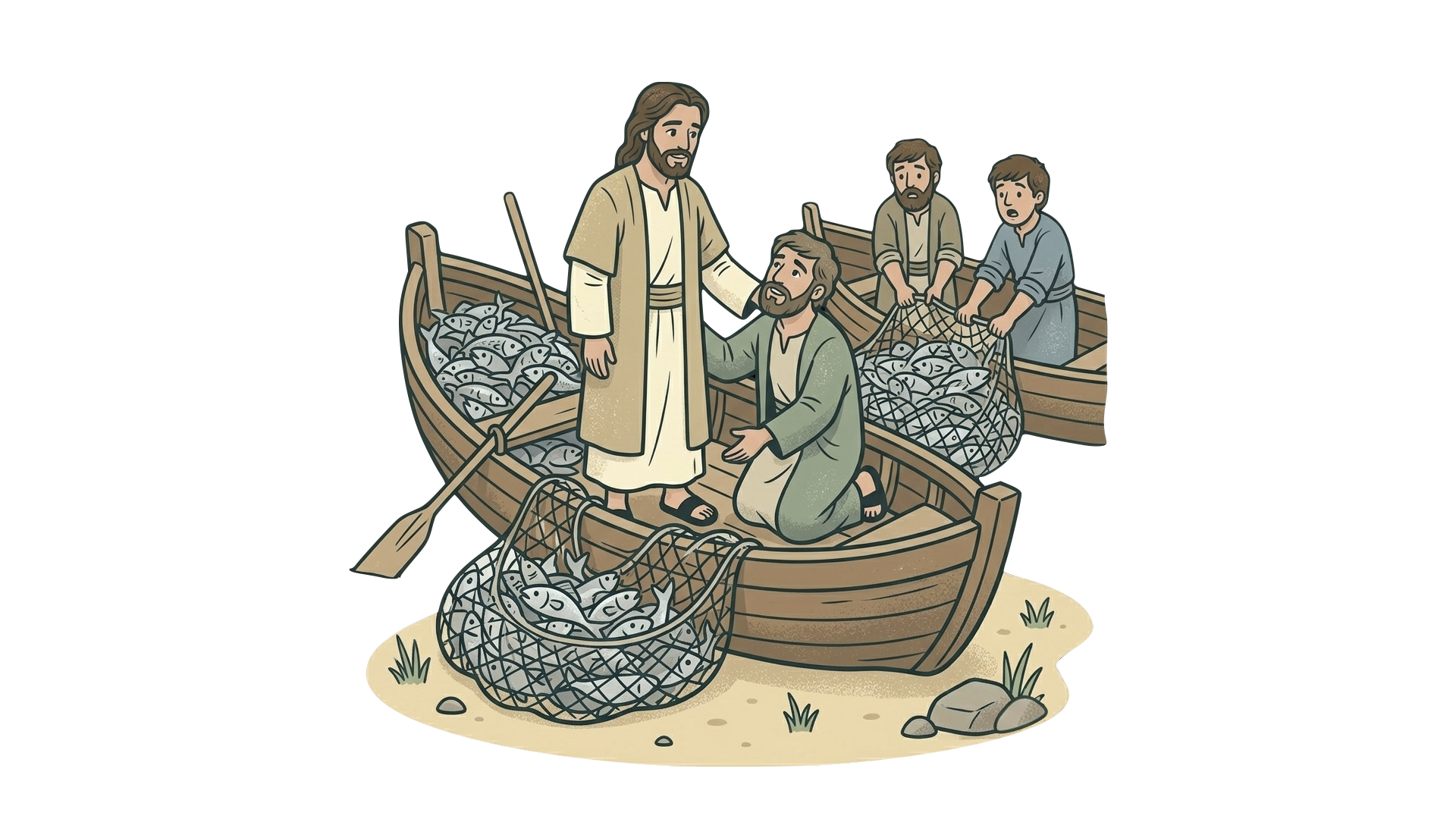
Go Out Into the Deep; It's Where the Fish Are (Luke 5)
Luke 5 reveals Jesus calling people to leave behind empty, self-reliant lives to follow Him, demonstrating His divine authority to forgive, heal, and transform, while inviting us to step out in faith, embrace the new life of His kingdom, and join His mission to reach others.
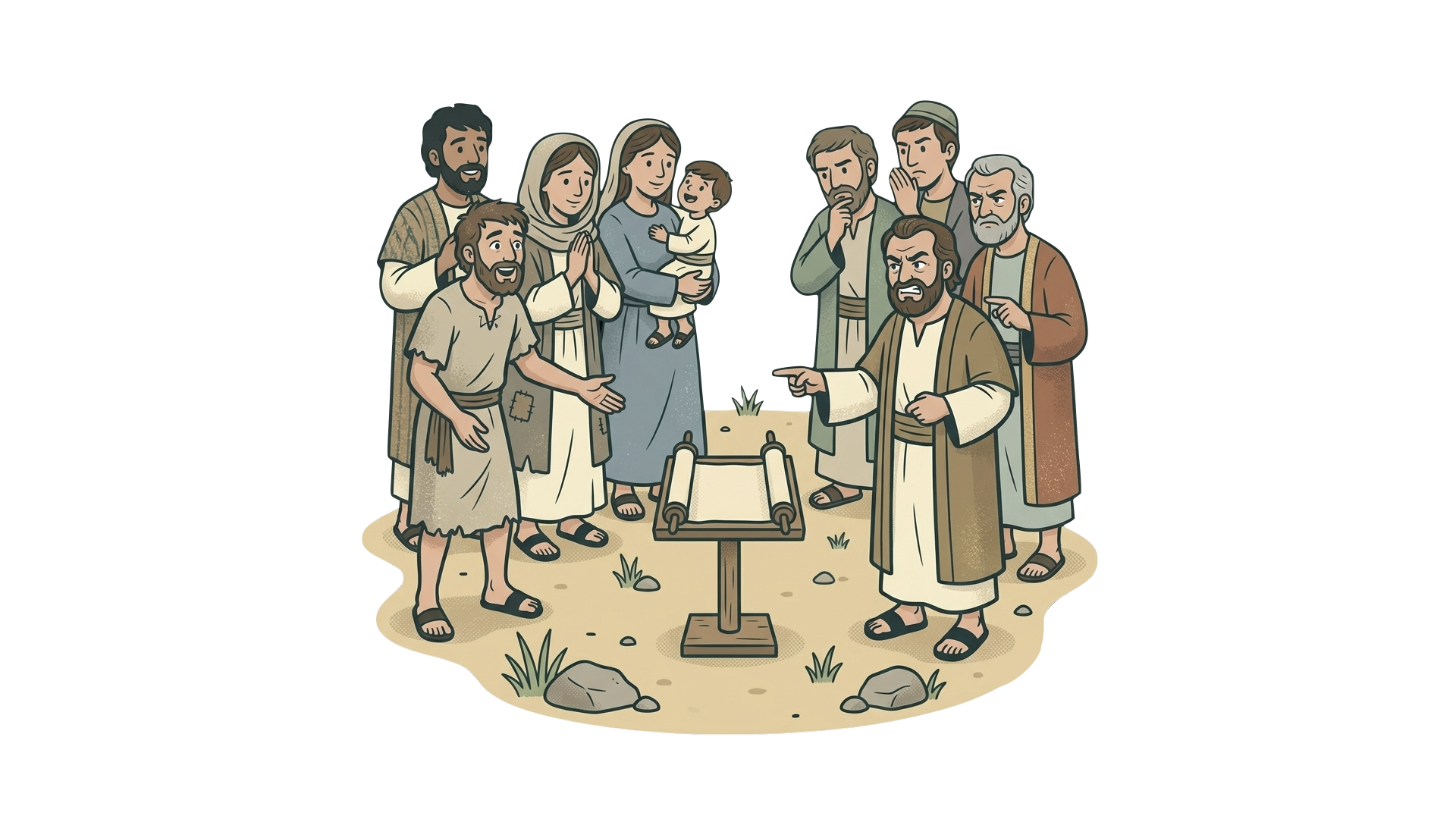
Today This Scripture Has Been Fulfilled In Your Hearing (Luke 4)
Luke 4 shows Jesus overcoming temptation, declaring Himself the fulfillment of God’s promises, and beginning His ministry with authority—revealing that while some reject Him due to familiarity and hardened hearts, others humbly receive Him, calling us to trust Him, resist temptation through Scripture, and actively pursue His mission.

Bear Fruit In Keeping With Repentance (Luke 3)
Luke 3 teaches that true repentance is demonstrated by a transformed life that bears fruit through selfless, obedient living, as we prepare our hearts for Christ’s kingdom rather than selfish self-preservation.