I Count It All Loss (Philippians 3)
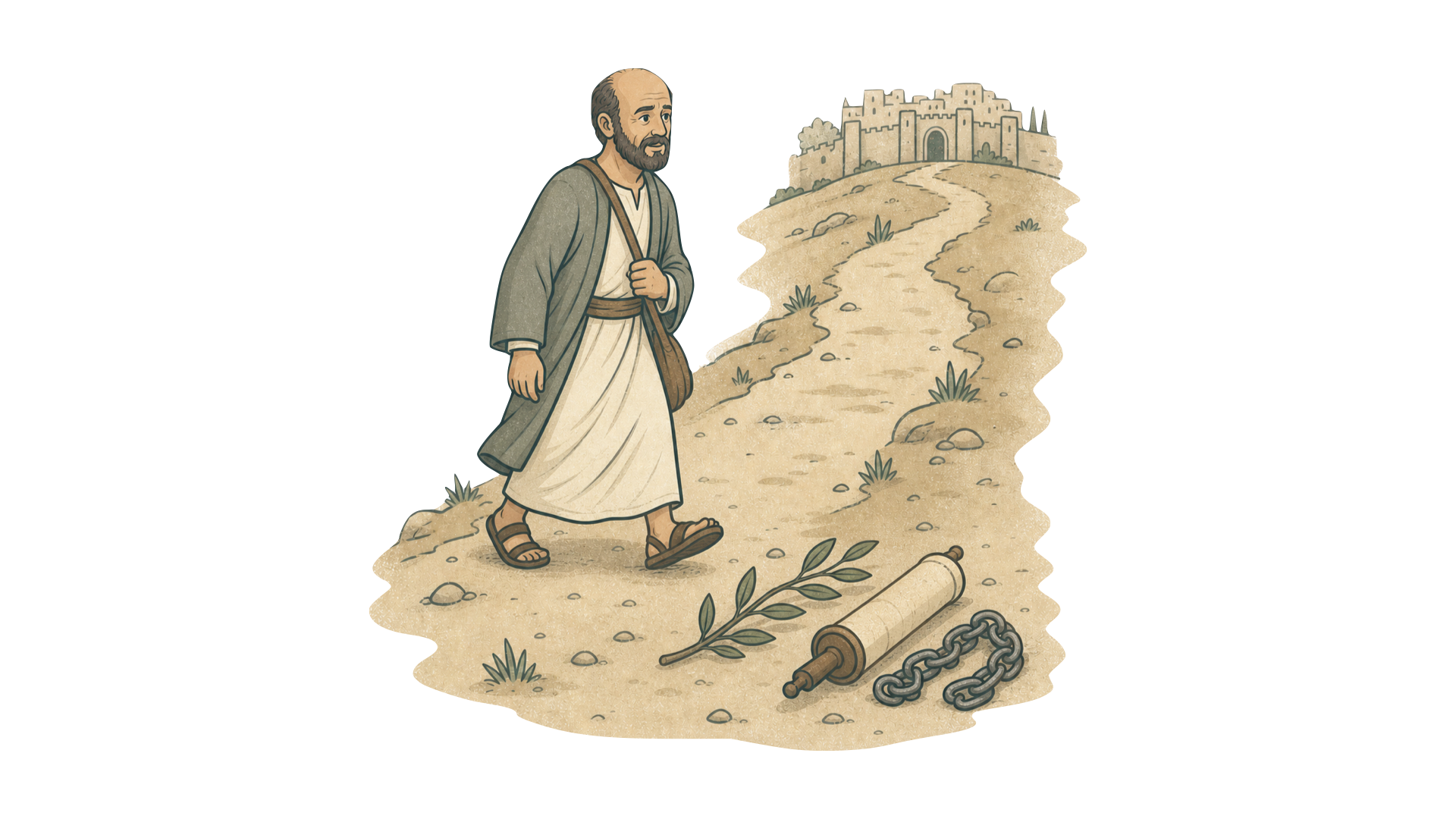
Philippians 3
This is a recap of our Bible Caller Club meeting on June 23th, 2026 over this passage. If you want to join the club and attend future meetings and study with us via phone, click here.
Context:
In our Bible study, we've been working through the book of Philippians, where Paul is writing to a church struggling with division, pride, and an earthly focus. This passage flows from Paul's previous examples of selflessness, as he now offers himself as the human example of counting earthly status as nothing compared to knowing Christ.
1. What’s happening in this passage?
In our study on Tuesday, June 23, 2026, we dove into the third chapter of Philippians, where the Apostle Paul makes a profound argument about the value of knowing Jesus Christ. The passage begins with Paul warning the believers to "beware of the dogs" and "evil workers," contrasting them with the "true circumcision" who worship in the Spirit and boast in Christ, not in achievements of the flesh (Philippians 3:2-3). As our group discussed, this isn’t about the physical act but about a circumcision of the heart. Paul then lists his own impressive earthly credentials—his heritage, religious zeal, and blamelessness under the law—only to declare all of it "rubbish" compared to the "surpassing value of knowing Christ Jesus my Lord" (Philippians 3:4-8). One club member beautifully summarized this, noting that Paul gave up all his prestige just to know Jesus. As another member pointed out, this knowledge isn't just intellectual; the Greek word used, "gnosko," signifies a deep, personal, experiential knowledge. Paul's goal is to be found in Christ, gaining His righteousness through faith, experiencing the power of His resurrection, sharing in His sufferings, and being conformed to His death (Philippians 3:10). We talked about how Paul makes it clear he hasn't "arrived" or become perfect yet; instead, he is constantly "pressing on" toward the goal, forgetting what is behind and straining toward what is ahead (Philippians 3:12-14). The chapter ends with a powerful contrast between this heavenly-minded life and those who are "enemies of the cross of Christ," whose "god is their stomach" and who focus only on earthly things (Philippians 3:18-19), reminding us that "our citizenship is in heaven" (Philippians 3:20).
2. What is God revealing about humanity?
During our discussion, we realized this chapter reveals our human tendency to put our confidence "in the flesh," meaning we trust in our own works, status, or accomplishments for significance (Philippians 3:3). As one member shared, we can fall into the trap of thinking our good deeds are what get us to heaven, when Paul shows these things are worthless for salvation. We also become "obsessed with earthly things" (Philippians 3:19), getting caught up in worldly status and forgetting our true home. Another person shared how easy it is to become lukewarm or sit "on the fence," a dangerous middle ground. A sobering point was raised regarding the choice between two paths: we are either following the selfless, Christ-like pattern (Philippians 3:17) or we effectively become "enemies of the cross of Christ." As our group discussed, being an enemy of the cross isn't about being an evil person; it’s about refusing to pick up our own cross and choosing our own comfort over the sacrificial love the cross represents. The passage also reveals our need for good examples; we are always watching others, and they are watching us to see if our actions match our words, showing our inherent need to both be and seek out godly patterns to follow.
3. What is God revealing about Himself?
In our study, we were deeply encouraged by what this passage shows us about God’s character. It reveals a God who provides a righteousness that is a gift received through faith in Christ, not something we can earn (Philippians 3:9). God is the one who initiates our salvation and takes hold of us. As one member shared from verse twelve, "Christ Jesus has made me His own." God is the one who chooses us, grabs onto us, and holds us fast. He also calls us to a higher purpose and desires a deep, personal, and experiential relationship with us, reminding us that knowing Him is of "surpassing value" (Philippians 3:8). Another beautiful promise we discussed is that if we genuinely seek to grow and understand the truth, God will reveal it to us (Philippians 3:15), echoing Jesus' words to "seek and you will find." Finally, God reveals Himself as the one who gives us our ultimate status, promising to "transform the body of our humble state into conformity with the body of his glory" (Philippians 3:21). As someone in the study noted, God is powerful enough to "subject all things to himself," and this power is at work to bring about our ultimate transformation.
4. How should our lives change?
The key takeaway from our group was the need to re-evaluate what we value most. As one person put it, we need to "rearrange our values of life" by considering our worldly achievements as "loss" for the sake of knowing Christ more deeply (Philippians 3:7-8). This means actively developing a personal relationship with Christ, because when we get that right, everything else will fall into line. This passage also calls us to a life of continuous forward motion. As one person emphasized, Paul’s attitude was that he had not "already obtained" perfection but was always pressing on (Philippians 3:12-13), which should inspire us to never become complacent. We must look forward to the future God has for us, not back at our past. Another member emphasized the importance of being a good example, striving to be faithful Christians whom others could imitate as we imitate Christ (Philippians 3:17). We must answer God’s "upward call," leaving behind selfish ambition and embracing a life of joyful sacrifice, knowing our true citizenship is in heaven.