Have This Way of Thinking in Yourself (Philippians 2:1-11)
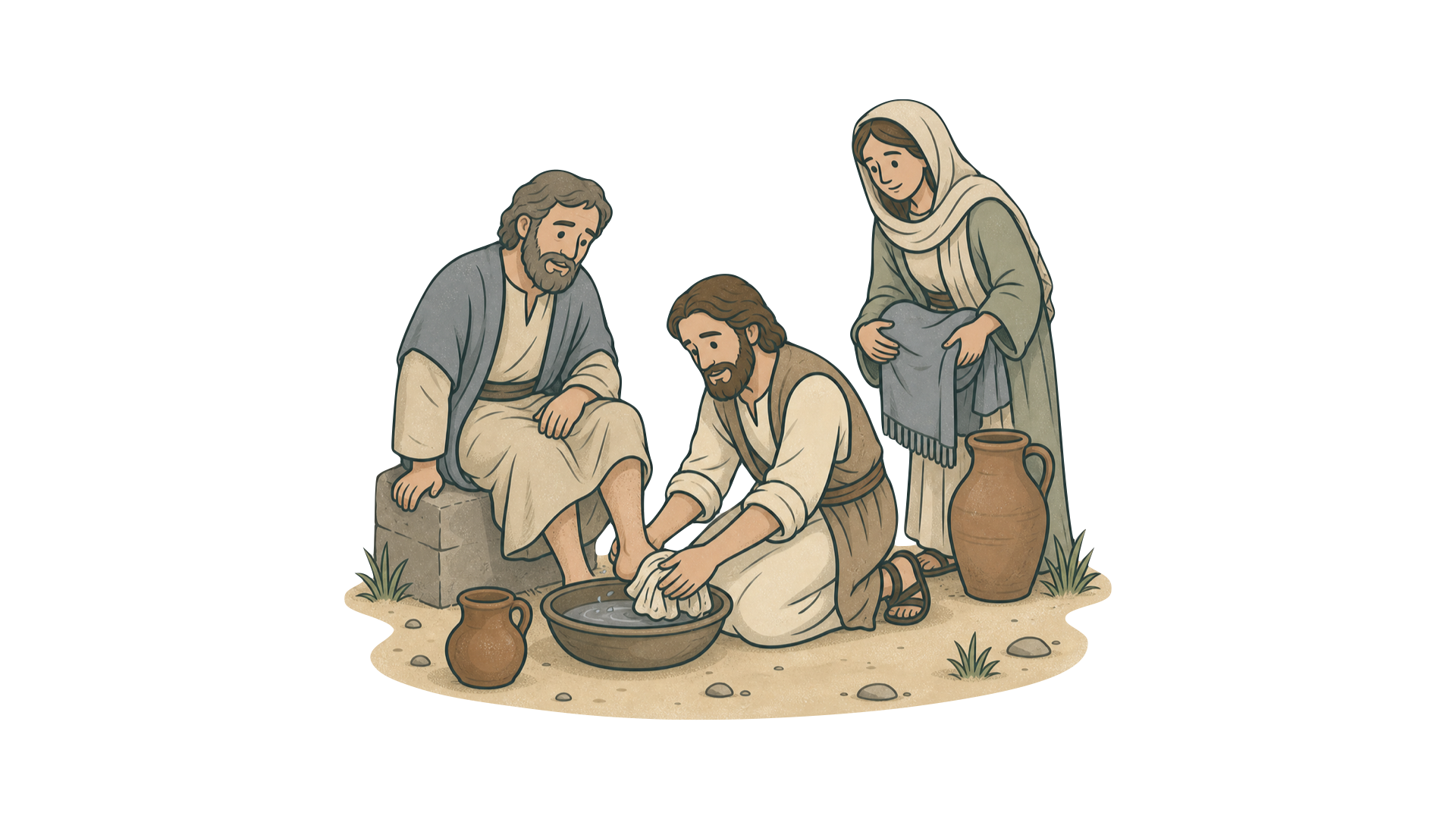
Philippians 2:1-11
This is a recap of our Bible Caller Club meeting on June 21th, 2026 over this passage. If you want to join the club and attend future meetings and study with us via phone, click here.
Context:
In our Bible study on June 21, 2026, we continued our journey through the book of Philippians, which Paul wrote from a Roman prison. The church in Philippi was struggling with division, as some people were obsessed with status and were even preaching in a way that caused Paul distress, so Paul is writing to encourage unity by focusing on joy in the midst of suffering. This passage flows directly from the end of chapter one, where Paul states that suffering for Christ's sake is a gift, and then begins chapter two with "Therefore," connecting that suffering to the ultimate example of joyful, selfless suffering: Jesus Christ himself.
1. What’s happening in this passage?
In this section of Philippians, Paul makes a powerful appeal for unity and humility (Philippians 2:1-2). He begins with a series of "if" statements, asking if there is any encouragement, love, or fellowship in their faith. Since the answer is obviously "yes," he urges them to complete his joy by being like-minded and united in love and purpose. He then directly commands them to do nothing out of selfish ambition or a desire for "vainglory," but instead, in humility, to consider others more important than themselves (Philippians 2:3-4). As the group discussed, this is a call to change their entire mindset. The core of the passage is the beautiful hymn about Christ that follows. Paul presents Jesus as the ultimate example, explaining that although Jesus existed in the very form of God, He didn't cling to that divine equality. Instead, He "emptied himself," took on the form of a slave, and became human (Philippians 2:5-7). He humbled himself to the point of a humiliating death on a cross (Philippians 2:8). Because of this profound act of selfless humility, God the Father highly exalted Him, giving Him the name that is above all others, so that one day every single knee will bow and every tongue will confess that Jesus Christ is Lord (Philippians 2:9-11). As one club member put it, Paul is "taking out the big guns" by using Jesus as the ultimate comparison to combat their pride.
2. What is God revealing about humanity?
During our study tonight, we spent some time reflecting on what this passage shows us about our own human nature. A member pointed out that verse three really highlights our natural state without God. We tend to be selfish, seek "vainglory," and struggle with having a humble mindset where we see others as more important. The natural way is to put our own personal interests first. The mindset Paul calls us to is not natural; it is a supernatural, godly mindset that we can only have through Christ. It's a reminder that we have to actively have our minds changed to live this way. We also discussed how the passage shows that all humanity is ultimately in subjection to Christ. As one person noted, the passage says "every knee will bow," including those in heaven, on earth, and under the earth (Philippians 2:10). This means that whether we choose to acknowledge it now or not, every single human will one day bow before the authority of Jesus.
3. What is God revealing about Himself?
This passage reveals incredible truths about the character of God. First and foremost, as one of our youngest members bravely confessed, "Jesus is Lord" (Philippians 2:11). The passage shows that Jesus was the perfect example of the mindset He wants us to have. He didn't just talk about humility; He lived it by not looking out for His own interests, but for ours (Philippians 2:4-5). One of the most amazing thoughts from our discussion was that God Himself lives in subjection. As someone said, Jesus, the King of kings, was willing to be in subjection to us first by becoming human and dying for us. Furthermore, the passage reveals the economy of God's kingdom. God highly exalts those who live in selfless, sacrificial submission. As demonstrated by the Father's exaltation of Jesus, true greatness in God's "upside down kingdom" is found in sacrifice, service, and putting others first.
4. How should our lives change?
The final part of our discussion focused on how to apply these powerful truths. A member shared that we need to be intentional about looking for ways to serve others and put them first, because it won't happen by accident. We get so wrapped up in our own lives, we have to consciously choose, every day, to find ways to serve. Another person pointed out that we have a choice: we can bow the knee willingly now, or we will be forced to bow it later. How much better it is to worship Him now in love and joy, rather than later in fear. We can make the decision right now to bend the knee and confess Jesus as Lord. Ultimately, our study concluded that we must actively work to do nothing from selfish ambition, but with humility of mind, truly "regard one another as more important than ourselves" (Philippians 2:3). This can be something that begins today, right now, as we seek to have the mind of Christ.