I Have Been Crucified with Christ (Galatians 2)
Galatians 2
This is a recap of our Bible Caller Club meeting on June 2nd, 2026 over this passage. If you want to join the club and attend future meetings and study with us via phone, click here.
Context:
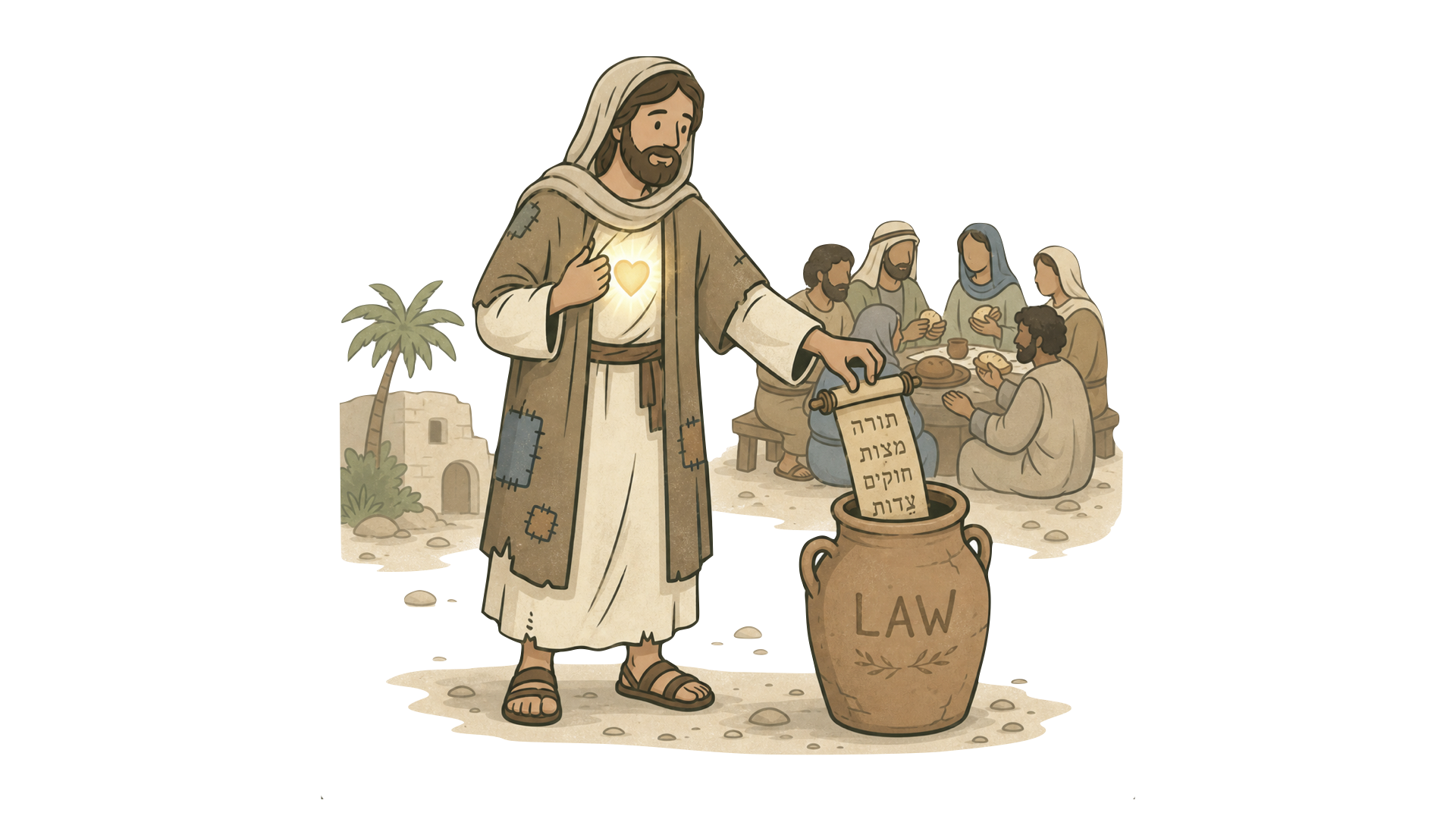
In our study tonight, we picked up in Galatians chapter 2. We were reminded of our last session that in chapter 1, Paul established the problem of a false gospel creeping into the church and shared his own conversion story. Now, in chapter 2, he confronts this false teaching head-on, explaining that the Galatians, like him, should let go of the old law and embrace the newness of faith in Jesus.
1. What’s happening in this passage?
Tonight's study focused on Galatians chapter 2, where the Apostle Paul recounts his visit to Jerusalem and a later confrontation with the Apostle Peter. Paul explained that he went to Jerusalem and privately shared the gospel he preached to the Gentiles with the church leaders—James, Cephas (Peter), and John (Galatians 2:1-2). As one club member pointed out, he did this to ensure they were all unified, acting as a "diplomat" for the truth. During this visit, Paul resisted pressure from "false brothers" who insisted his companion Titus, a Greek, must be circumcised, standing firm so that the "truth of the gospel would remain" (Galatians 2:3-5). The leaders in Jerusalem affirmed Paul's ministry to the Gentiles, recognizing it was a grace given to him from God, and extended to him the "right hand of fellowship" (Galatians 2:7-9). The passage then shifts to a conflict in Antioch, where Paul confronted Peter for hypocrisy. Peter, fearing a group called "the party of the circumcision," stopped eating with Gentile believers. Paul rebuked him publicly for not being "straightforward about the truth of the gospel" (Galatians 2:11-14). This confrontation led to Paul’s core declaration: a person is justified not by works of the law, but through faith in Jesus Christ (Galatians 2:16). Paul concludes by explaining this new life in Christ means we are "crucified with Christ," and it is Christ who now lives in us (Galatians 2:20).
2. What is God revealing about humanity?
Our discussion brought out several insights into human nature. As one club member noted, we saw how even the most respected leaders, like Peter and Barnabas, are susceptible to peer pressure and fear of what others think. Peter, a "pillar" of the church, fell into hypocrisy because he was afraid of the "party of the circumcision" (Galatians 2:12). This shows that no one, regardless of how spiritual or learned they are, is immune to temptation, and we must remain teachable. We also discussed the human tendency to "lose our confidence," as another member put it, and go along with the crowd rather than stand alone for what is right. The group also observed that people often try to add their own rules to the gospel, creating hoops for others to jump through that God never established. This often comes from a desire to seek status and reputation. We create cliques and divisions, but the passage reminds us that God shows no partiality and is not impressed by such things (Galatians 2:6).
3. What is God revealing about Himself?
In our study tonight, we saw that God’s character stands in stark contrast to our flawed human tendencies. A key point that came up multiple times is that God "shows no partiality" (Galatians 2:6). As one person stated, "we're all equal" in His eyes. He is the God of both Jews and Gentiles, and through Christ, they are made one. This was a powerful theme. Another member highlighted that a relationship with Jesus brings freedom (Galatians 2:4), a freedom that humans often try to take away from one another. We also focused on God's incredible grace and love. The discussion kept returning to verse 20: "He... loved me and gave himself up for me." God's motivation is love, which led Him to provide justification as a gift. It is God, through Christ, who does the justifying, not us. If righteousness could be earned through our own efforts, one member noted from the text, "then Christ died needlessly" (Galatians 2:21).
4. How should our lives change?
Reflecting on this passage led to some very practical applications for our own lives. The most prominent theme was the call to "die to self and live to Christ" (Galatians 2:20). As one member put it, we must die to our old ways so that it is "no longer us who lives, but Christ who lives in us." This means we should be less nitpicky and judgmental of others and care more about their hearts than about external rules that don't matter. Since God's motivation is love, not control, our motivation in relating to others should also be love (Galatians 2:20). Another person applied this by saying we are to love our neighbor as ourselves, doing what is best for them, not what puts us in control. A powerful, concrete takeaway from our group was the need to actively avoid cliques and extend the "right hand of fellowship" to everyone (Galatians 2:9). One suggestion was to make an effort to sit in different places at church and talk to new people, making sure everyone feels included, just as Christ included us. Finally, we must stop thinking we can earn our salvation through works. We don't pray more or read the Bible more to get saved; we do these things because we are saved. We must give God the glory and simply live in the new life He has given us.