The Grass is Greener Where You Water It (1 Corinthians 6-7)
1 Corinthians 6-7
This is a recap of our Bible Caller Club meeting on May 7th, 2026 over this passage. If you want to join the club and attend future meetings and study with us via phone, click here.
On the evening of May 7, 2026, our group dove into two challenging but powerful chapters, 1 Corinthians 6 and 7. Though we had to summarize due to the length, the discussion was rich as we explored Paul’s advice to a divided and prideful church. The conversation kept returning to one central idea: instead of restlessly seeking better circumstances, we should focus on cultivating a life with Christ right where we are.
1. What’s happening in this passage?
In these chapters, Paul addresses specific problems stemming from the Corinthian church's spiritual immaturity. He starts by confronting them for taking fellow believers to court before secular judges (1 Corinthians 6:1-11). Paul argues that the church should be wise enough to handle its own disputes and that it's better to be wronged than to damage their witness. He then transitions to the topic of sexual immorality, reminding them that their bodies are not their own but are for the Lord, and are temples of the Holy Spirit (1 Corinthians 6:12-20). In chapter seven, Paul offers wisdom on marriage, singleness, and social status (1 Corinthians 7). He advises that, due to the present circumstances, people should remain in the state they were in when God called them—whether married, single, slave, or free (1 Corinthians 7:17, 21, 25). His point isn't that one state is better than another, but that they should focus on serving the Lord without distraction, rather than restlessly seeking a change in status they believed would make them more spiritual.
2. What is God revealing about humanity?
This passage reveals our tendency to look for "greener pastures." We often believe a change in our external circumstances—getting married, a better job, or more free time—is what we need to truly serve God. As one person shared, "we make everything more complicated than it needs to be." This comes from a place of pride and anxiety, where we try to create the perfect conditions for faith to flourish instead of trusting God in our current reality. The Corinthians were puffed up, suing each other and seeking different life situations for their own egos, not for God's glory. When we lack the "mind of Christ," we start treating each other like the world does—with lawsuits and division (1 Corinthians 6:1-11). We become anxious about our status, forgetting that true freedom and purpose are found in Christ alone, regardless of our situation (1 Corinthians 7:23).
3. What is God revealing about Himself?
God reveals Himself as the one who is intimately involved in every part of our lives and who redeems us in any situation. A key verse that stood out was, "the body is not for sexual immorality, but for the Lord, and the Lord is for the body" (1 Corinthians 6:13). God isn't distant; He claims our very bodies as His own and gives Himself to us. He is the one who does the sanctifying work. As verse eleven says, "But you were washed, you were sanctified, you were justified in the name of the Lord Jesus Christ and by the Spirit of our God" (1 Corinthians 6:11). We don't have to strive anxiously to make ourselves holy; He is the one who washes us. The recurring phrase, "You were bought with a price," highlights the immense value God places on us and His total claim on our lives (1 Corinthians 6:20, 7:23). Because of this, God doesn't want us living in anxiety but resting in the identity He has given us.
4. How should our lives change?
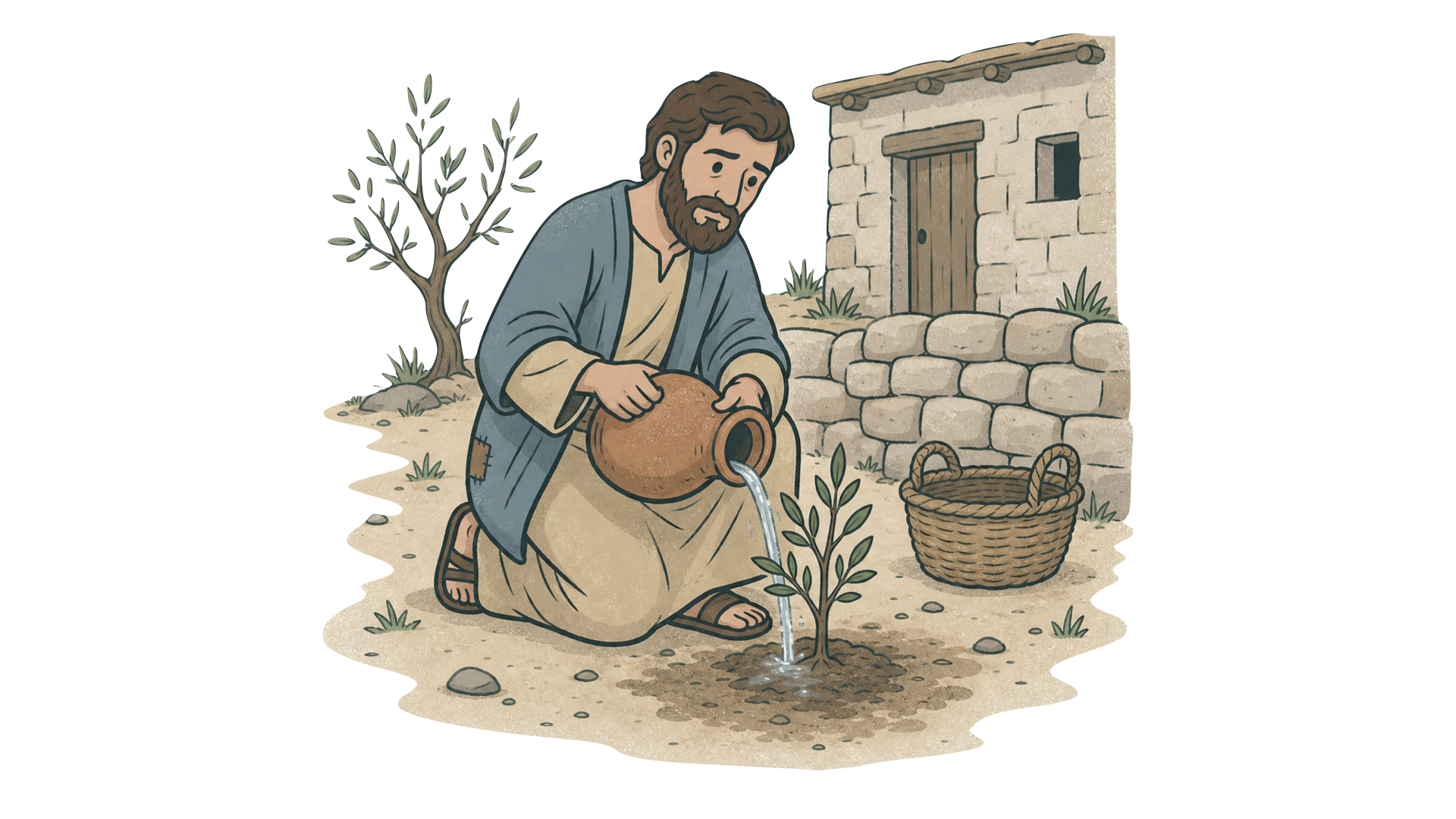
After studying this passage, we should stop waiting for the "perfect" circumstances to serve God and instead, "bring God into every element of our lives." The solution isn't changing our situation but seeing everything through the lens of the gospel. We are called to glorify Him right where we are, whether life is busy or difficult, because the gospel is powerful enough for today. We must see our bodies as belonging to the Lord and actively flee from immorality. As one member powerfully summarized, "The grass is not greener on the other side. The grass is greener where you water it." We are called to water the ground we are on right now with the mind of Christ—a mind of sacrifice, service, and submission. By inviting God into our present reality, we allow Him to make our pasture green and to flourish right where He has planted us.