Take Pains With These Things (1 Timothy 4)
1 Timothy 4
This is a recap of our Bible Caller Club meeting on August 16th, 2026 over this passage. If you want to join the club and attend future meetings and study with us via phone, click here.
Context:
In our Bible study on August 16, 2026, we continued our look into Paul's first letter to Timothy. The overall context is Paul's instruction to Timothy on how to combat false teachers in the Ephesian church who were causing division by teaching "endless speculation" instead of love. This specific passage in chapter four shifts to Paul's direct advice for Timothy on how he should personally behave and minister in the face of this opposition, emphasizing his own spiritual training and public example.
What is happening in this passage?
In our study tonight, we broke down the fourth chapter of 1 Timothy. We saw a clear structure in Paul's message to Timothy.
A Prophecy of False Teaching (vv. 1-5): The chapter opens with a warning from the Holy Spirit that in the "latter times," some people will abandon the true faith. As the group discussed, these people will follow demonic doctrines and be led by hypocritical liars whose consciences are "seared." This falling away would be characterized by creating man-made rules that God did not, such as forbidding marriage and demanding abstinence from certain foods. Paul counters this by stating that everything God created is good and is to be received with thanksgiving, made holy "by the word of God and prayer."
Instructions for a Good Servant (vv. 6-11): Paul then pivots to direct instructions for Timothy. In verse 6, he tells Timothy that by pointing out these errors, he will be a "good servant of Christ Jesus." One member pointed out that our true nourishment comes not from worldly things, but from being "nourished on the words of the faith and of sound doctrine." Paul contrasts this with "godless myths fit only for old women" and commands Timothy instead to "train yourself for the purpose of godliness." The group spent time on verse 8, noting that while bodily training has some value, godliness is profitable for everything, holding promise for this life and the next. This spiritual training is difficult; Paul uses words like "labor and strive" (v. 10) to describe the effort required.
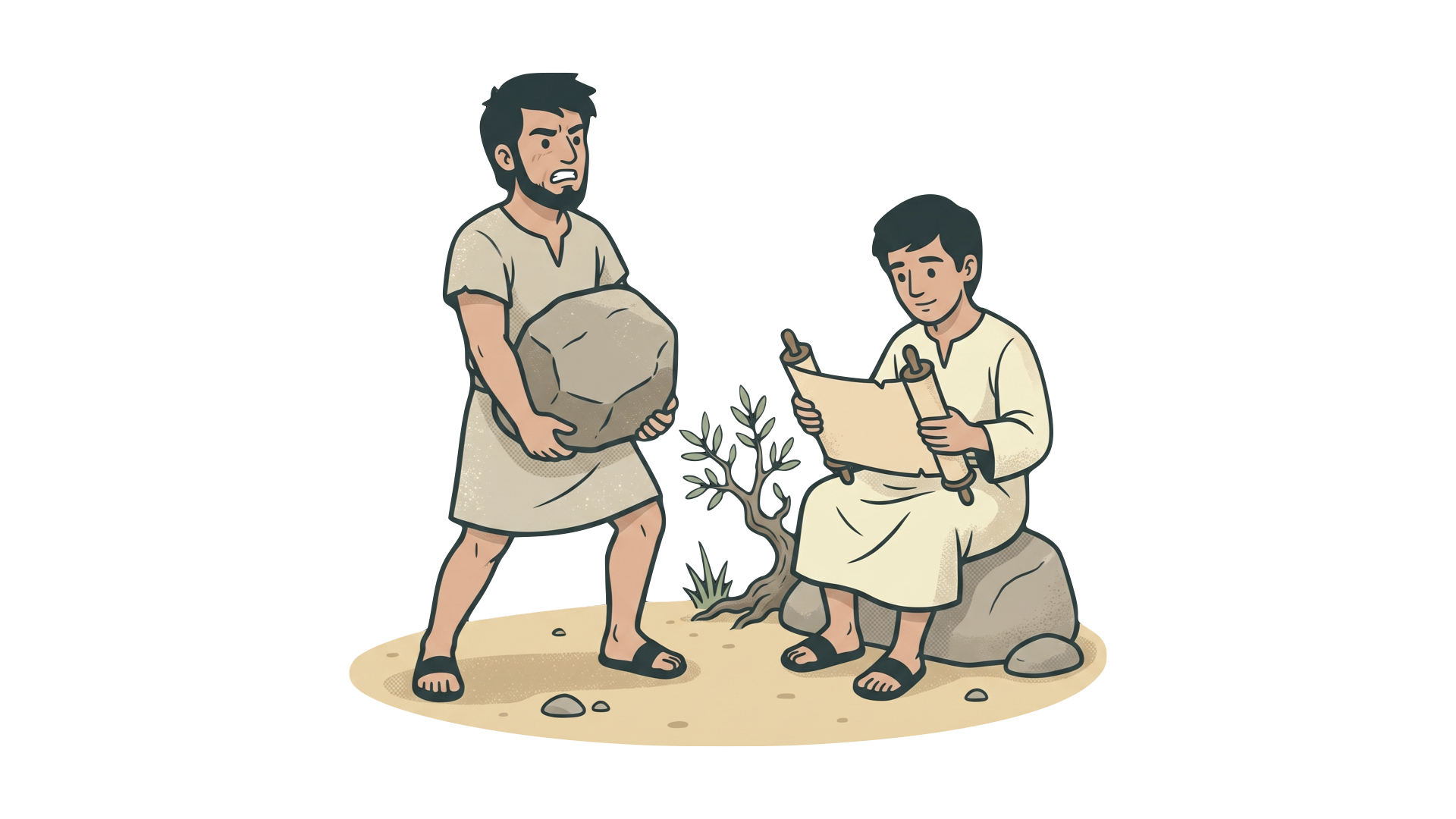
A Call to Be a Model (vv. 12-16): Paul encourages Timothy not to let anyone look down on him for being young. Instead, he is to be a "model to those who believe" in his speech, conduct, love, faith, and purity. As one club member pointed out, if Timothy is to be a model, then these are qualities we should all be striving for, not just pastors. Timothy is instructed to devote himself to public reading of Scripture, exhortation, and teaching. Paul concludes by urging Timothy to "take pains with these things; be absorbed in them," because this diligent focus on his own life and teaching will be the means by which he saves both himself and his hearers.
What is God revealing about humanity in this passage?
In our discussion, we saw a lot about our own human nature. It's a simple fact that some people will fall away from the faith (v. 1); it's a reality of ministry and life in the church. We also noted our tendency to be judgmental, looking down on others for external characteristics like age, as the people were doing to Timothy (v. 12). Instead, we should see that anyone, no matter how young or old, can be a powerful model of faith for others. As one person pointed out, we often seek nourishment from worldly things—shopping, entertainment, hobbies—when true, lasting nourishment only comes from the "words of the faith and of sound doctrine" (v. 6). The most convicting point for many of us was that spiritual growth is hard work. Just like physical training, it involves "pain" (v. 15). We have a tendency to be lazy or look for shortcuts, but Paul makes it clear that if we want a real relationship with God, we have to work for it.
What is God revealing about himself in this passage?
This chapter also showed us so much about God's character. A central theme we identified is that God is a good Creator who gives us good things to be enjoyed. The false teachers were adding restrictive rules, but Paul states that "everything created by God is good" (v. 4) and can be enjoyed when we receive it with thanksgiving. He wants us to enjoy life and the blessings He provides. We also see that God is our source of spiritual nourishment; it is His word that truly fills us (v. 6). As one member highlighted from verse 10, our hope is fixed "on the living God." Unlike the lifeless idols or worldly pursuits people chase after, our God is alive. He is also the "Savior of all men," desiring for everyone to come to a knowledge of the truth and be saved. He is the one who breathes life and healing, standing in direct opposition to the legalistic doctrines of demons that only say "no."
How should our lives change having studied this passage?
This chapter is filled with application, and our group shared several takeaways for the coming week. One member emphasized the call to put more effort into being dedicated to reading the Word and prayer, making sure everything in our lives is "sanctified by the word of God and prayer" (v. 5). Another big takeaway was that a relationship with God requires sacrifice and "pain" (v. 15). We have to be willing to "labor and strive" (v. 10), giving up our time to pray, study, and serve others, because there are no shortcuts to spiritual growth. One of our younger members put it perfectly: we should reject man-made rules that forbid things God allows, and instead be like Paul, who encourages a life of freedom and thankfulness. Ultimately, we must be absorbed in God's word and train ourselves in godliness so that our progress is evident and we can become a saving model of faith for everyone who is watching us.