Considered Worthy of the Kingdom of God (2 Thessalonians 1)
2 Thessalonians 1
This is a recap of our Bible Caller Club meeting on August 9th, 2026 over this passage. If you want to join the club and attend future meetings and study with us via phone, click here.
Context:
Our study on August 9th, 2026, began the short book of 2nd Thessalonians, written only a few months after the first letter. The overall context, as explained in our meeting, is that Paul is expanding on three key themes the church was still struggling with: the need for hope during persecution, clarity on Jesus's return, and a challenge to idleness. This specific passage, chapter one, focuses on the first theme, offering hope in the midst of suffering by explaining its divine purpose.
What is happening in this passage?
In our study tonight, we broke down the first chapter of 2nd Thessalonians. It’s a powerful message from Paul to a church facing intense hardship.
Paul begins by commending the Thessalonians for their spiritual growth (v. 3-4). One member pointed out how amazing it would be to have someone boast about your “perseverance and faith in the midst of all your persecutions and afflictions.” Despite everything they were going through, their faith was growing "abundantly," and their love for each other was increasing. This shows that suffering doesn’t have to diminish faith; it can actually strengthen it.
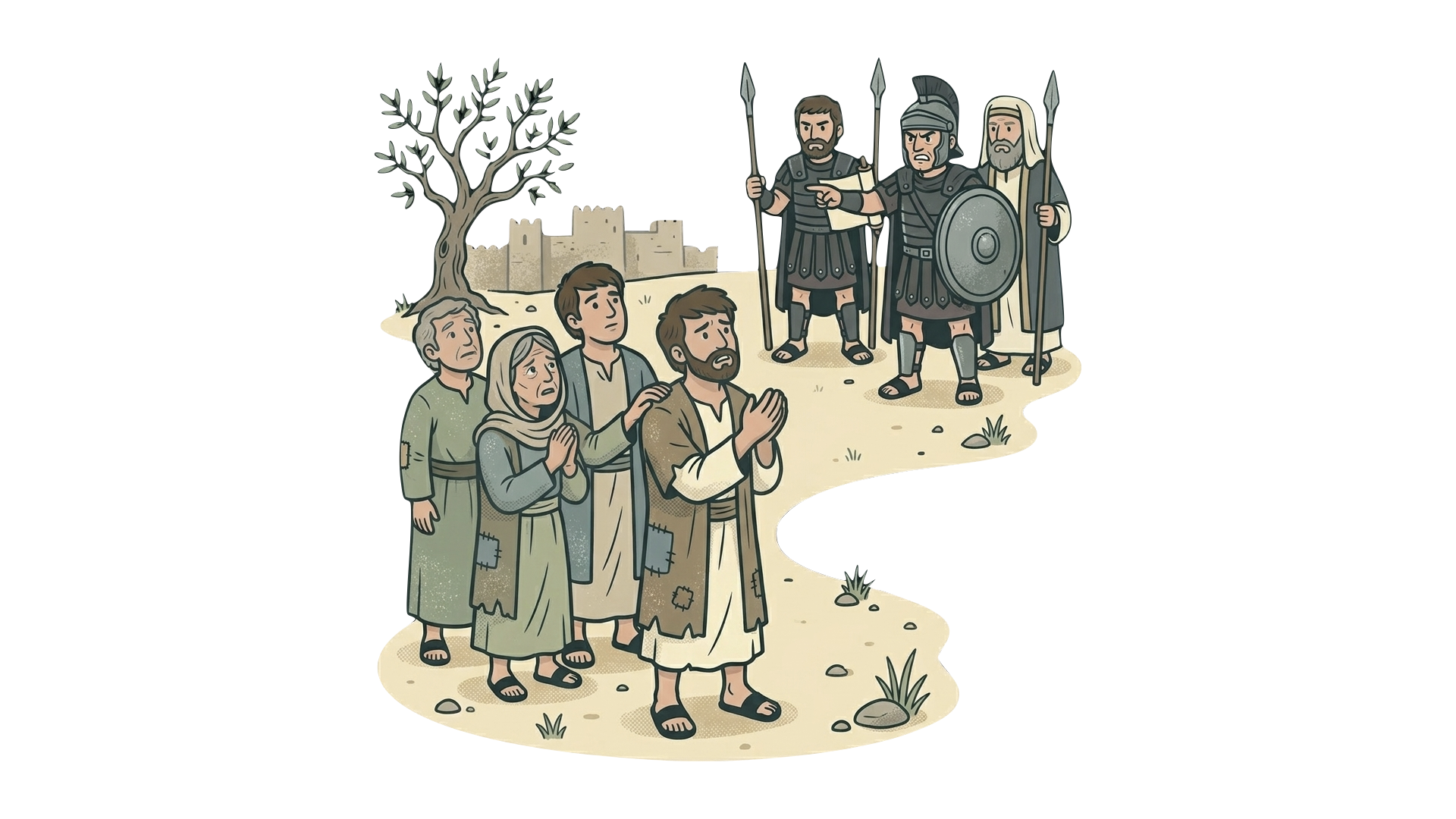
Paul then reframes their suffering as a positive sign from God (v. 5-7). As another person in our group explained, Paul is telling them that their suffering is a “plain indication of God’s righteous judgment.” It’s a process that is molding and shaping them to be “considered worthy of the kingdom of God.” Their hardship is not a sign of God's absence but a confirmation of their place in His kingdom and a precursor to the justice that is to come.
The passage reveals a great reversal that will happen when Jesus returns (v. 7-10). God will bring "rest" to the afflicted believers, but He will also execute "vengeance" on those who persecuted them—specifically, "on those who do not know God and on those who do not obey the gospel." One day, all the wrongs they are enduring will be made right. Their persecutors will face eternal separation from God, while the believers will marvel at Christ and glorify Him.
While waiting for Christ's return, Paul assures the church that he is praying for them (v. 11-12). We noted how important prayer is, especially when you're going through a hard time. Paul prays that God would count them worthy of their calling and fulfill His work of faith in them, all so that Jesus would be glorified in them, and they in Him.
What is God revealing about humanity in this passage?
Our discussion highlighted a clear division within humanity presented in this chapter. There are those who suffer for the kingdom of God and, through that suffering, are made worthy of it. As one person noted, these people can respond to terrible situations with a good attitude, allowing their faith and love to grow even more (v. 3). On the other side are those who cause the affliction. The passage identifies them as those who "do not know God" and "do not obey the gospel" (v. 8). We are reminded that we don’t need to take justice into our own hands; God will handle it. We have the hope of something glorious, while those who afflict God's people do not.
What is God revealing about himself in this passage?
In our study, we saw that God is a righteous judge whose judgments are always fair (v. 5). He is not indifferent to the suffering of His people. The chapter shows that He will repay persecutors with affliction and give rest to the afflicted (v. 6-7). Furthermore, God is the source of all spiritual growth. As a club member mentioned, we must be thankful to Him because He is the one who causes our faith and love to grow abundantly (v. 3). The ultimate purpose of this all, as another pointed out, is that God is glorified through His people, as Christ lives in us and we walk in the calling He has given us (v. 12). The most fearsome revelation, however, is the consequence of being away from His presence, which was described as the greatest fear one should have (v. 9).
How should our lives change having studied this passage?
This chapter gave our group a lot of encouragement. We concluded that our lives should change by being more intentionally thankful, especially for each other and for the spiritual growth we see in fellow believers (v. 3). We must also be people of prayer, continually lifting each other up (v. 11). One member shared that we should see suffering not as a defeat, but as a temporary testing ground that can draw us closer to God and each other. We must strive to truly "know God" and "obey the gospel," not just know about Him. As someone put it, we must walk the way of the cross with Him, enduring suffering so that we can glorify Him at His return rather than face judgment. Ultimately, we must ask ourselves if our faith and love are growing, because as one person powerfully stated, that growth is like the fruit of a tree—it’s not for us, but for the benefit and encouragement of others.