Stand Firm and Hold to the Traditions (2 Thessalonians 2)
2 Thessalonians 2
This is a recap of our Bible Caller Club meeting on August 10th, 2026 over this passage. If you want to join the club and attend future meetings and study with us via phone, click here.
Context:
On the evening of August 10, 2026, our group continued its study in 2 Thessalonians. This chapter specifically addresses the church's confusion and alarm over the "day of the Lord," with some being deceived into thinking it had already happened; Paul writes to provide clarity and correct their misunderstanding, which was causing some to stop working and live in idleness.
What is happening in this passage?
During our study tonight, we broke down the core message of 2 Thessalonians chapter 2. Paul is addressing the church's anxiety about the end times with a specific sequence of events they need to understand. Here’s a summary of what we discussed:
A Warning Against Deception (v. 1-3): Paul urges the Thessalonians not to be "quickly shaken in your mind or be alarmed" by false teachings suggesting the day of the Lord has already occurred. One member pointed out how effective this specific lie would be to discourage believers. Paul clarifies that two things must happen first: a great rebellion or "apostasy," and the revealing of the "man of lawlessness."
The Man of Lawlessness (v. 4-12): This figure is characterized by extreme pride, opposing God and exalting himself to take a seat in God's temple, declaring himself to be God (v. 4). As we discussed, this isn't just a specific future person, but a spirit or mindset that can be adopted by anyone who puts themselves in God's place. This figure’s coming is aligned with the work of Satan, using "power and signs and false wonders" to deceive those who perish because they "did not receive the love of the truth" (v. 9-10). God, in turn, sends a "deluding influence" on those who take pleasure in unrighteousness, so they will believe the lie.
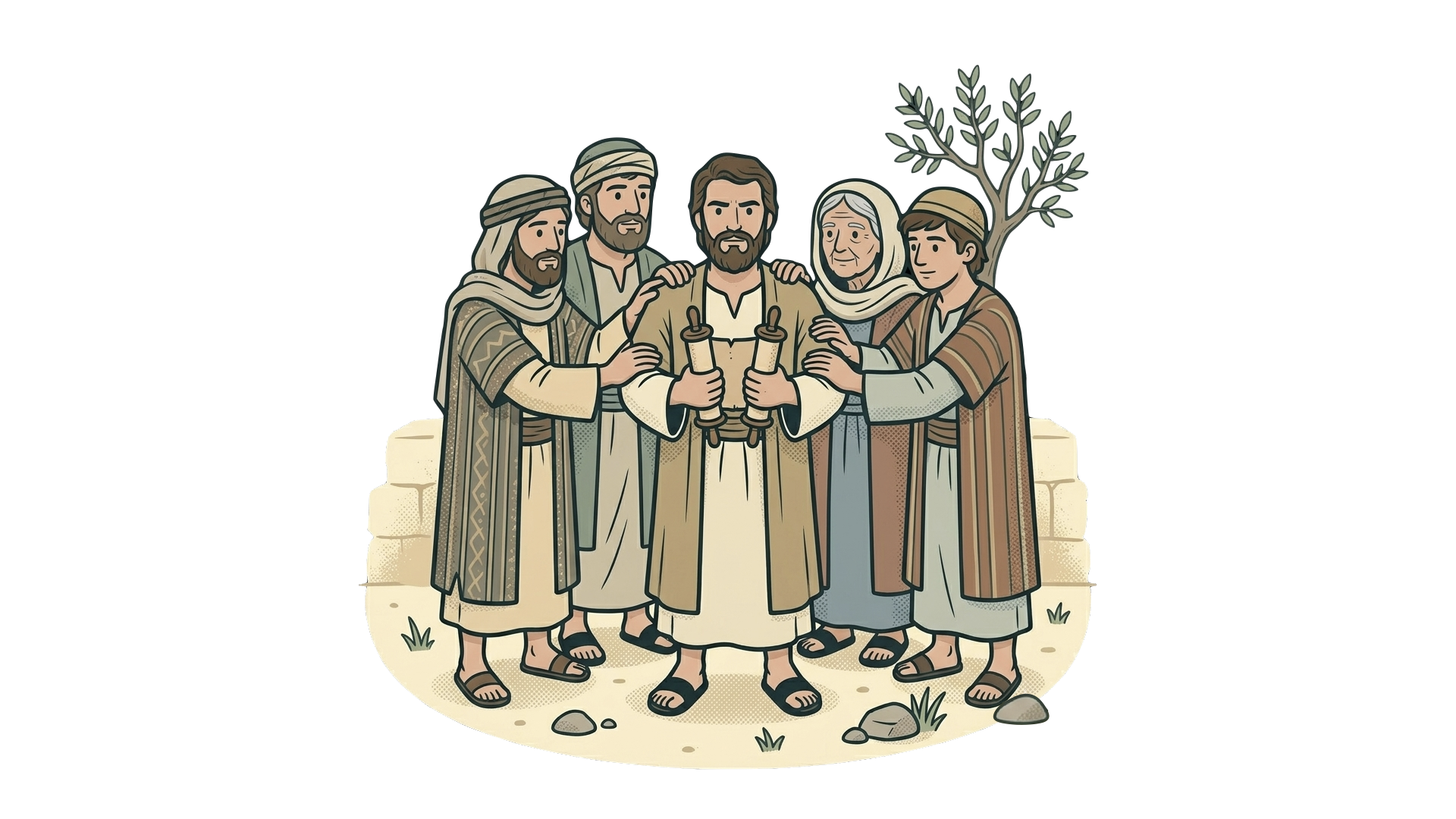
A Call to Stand Firm (v. 13-17): In a beautiful contrast, Paul turns his attention to the believers. He gives thanks that God has chosen them "as the first fruits for salvation" (v. 13). This directly addresses their fear of being left behind, assuring them they are, in fact, first in line. He encourages them to "stand firm and hold to the traditions" they were taught (v. 15), concluding with a prayer that God would encourage their hearts and strengthen them "in every good work and word" (v. 17).
What is God revealing about humanity in this passage?
In our study, we saw that this passage reveals some key truths about human nature. It states plainly that we can be "quickly shaken in your mind" (v. 2). We are susceptible to deception, especially when we are afraid or confused. As one member shared, this is evident today when people become paralyzed by fear from watching the news. Another member noted that the Thessalonians seemed to think their persecution meant they were doing something wrong, showing our tendency to misunderstand suffering. This passage also highlights our prideful tendency to exalt ourselves, to take the place of God (v. 4). We can easily fall into this "man of lawlessness" mindset if we don't ground ourselves in God's Word. As someone in the group wisely noted, if we rely only on what preachers, podcasters, or authors say without digging into the Word for ourselves, we will be "easily deceived."
What is God revealing about himself in this passage?
God reveals His complete sovereignty and loving character in this chapter. As one person stated, "The key is that God is in control." He allows evil and deception for a time, but He is not threatened by it. The Lord Jesus will ultimately "slay [the lawless one] with the breath of his mouth" (v. 8), an image that shows His effortless authority. We also discussed the powerful contrast in what God sends: a "deluding influence" to those who love unrighteousness (v. 11), but for believers, He has "chosen you as the first fruits for salvation" (v. 13). Furthermore, He is the God who "has loved us and given us eternal comfort and good hope by grace" (v. 16). He doesn't want us to live in fear; He is a God of peace who provides comfort and strengthens His people.
How should our lives change having studied this passage?
This passage gives us clear, practical applications for our daily lives. The most important, as we discussed, is that we must actively "love the truth" (v. 10). This means not just hearing the truth but making it our own, embedding it in our hearts so we can fight deception. Building on this, we must "stand firm and hold to the traditions which you were taught" (v. 15), grounding ourselves in the scriptures and the encouragement of fellow believers. This study should also remove fear from our lives. As one member put it, this chapter should bring us comfort, not fear, because we know God is in control and will deal with all evil. Finally, as another member quoted, "He, who has a why to live, can bear almost any how." By keeping our "why"—Jesus and eternity with Him—at the forefront of our minds, God's hope will fuel us to do good works and speak good words, training our hearts for Him (v. 17).