Do Not Lose Heart in Doing Good (2 Thessalonians 3)
2 Thessalonians 3
This is a recap of our Bible Caller Club meeting on August 10th, 2026 over this passage. If you want to join the club and attend future meetings and study with us via phone, click here.
Context:
In our study on August 11, 2026, we concluded our series on 2 Thessalonians by examining the final chapter. The overall context of the letter is Paul addressing the Thessalonian church about the second coming of Christ, as some believers had become idle, thinking the resurrection was either imminent or had already passed. This specific passage fits into that context by giving practical instructions on how to deal with this idleness, urging believers to work diligently and not be a burden, using his own life as the primary example.
What is happening in this passage?
As we wrapped up our reading of 2 Thessalonians, our group explored the practical commands Paul gives to the church. He connects the hope of Christ's return to the importance of living a productive and orderly life.
A Call for Prayer and an Assurance of Faithfulness (vv. 1-5): The chapter opens with Paul asking the Thessalonians to pray for him and his companions, that the gospel would spread rapidly and that they would be protected from "perverse and evil men." As one member noted, the constant theme of prayer throughout these letters creates a strong sense of community and mutual support. Paul then pivots to express his confidence in the Lord's faithfulness to strengthen and guard the believers from the evil one, promising that God would direct their hearts toward His love and the steadfastness of Christ.
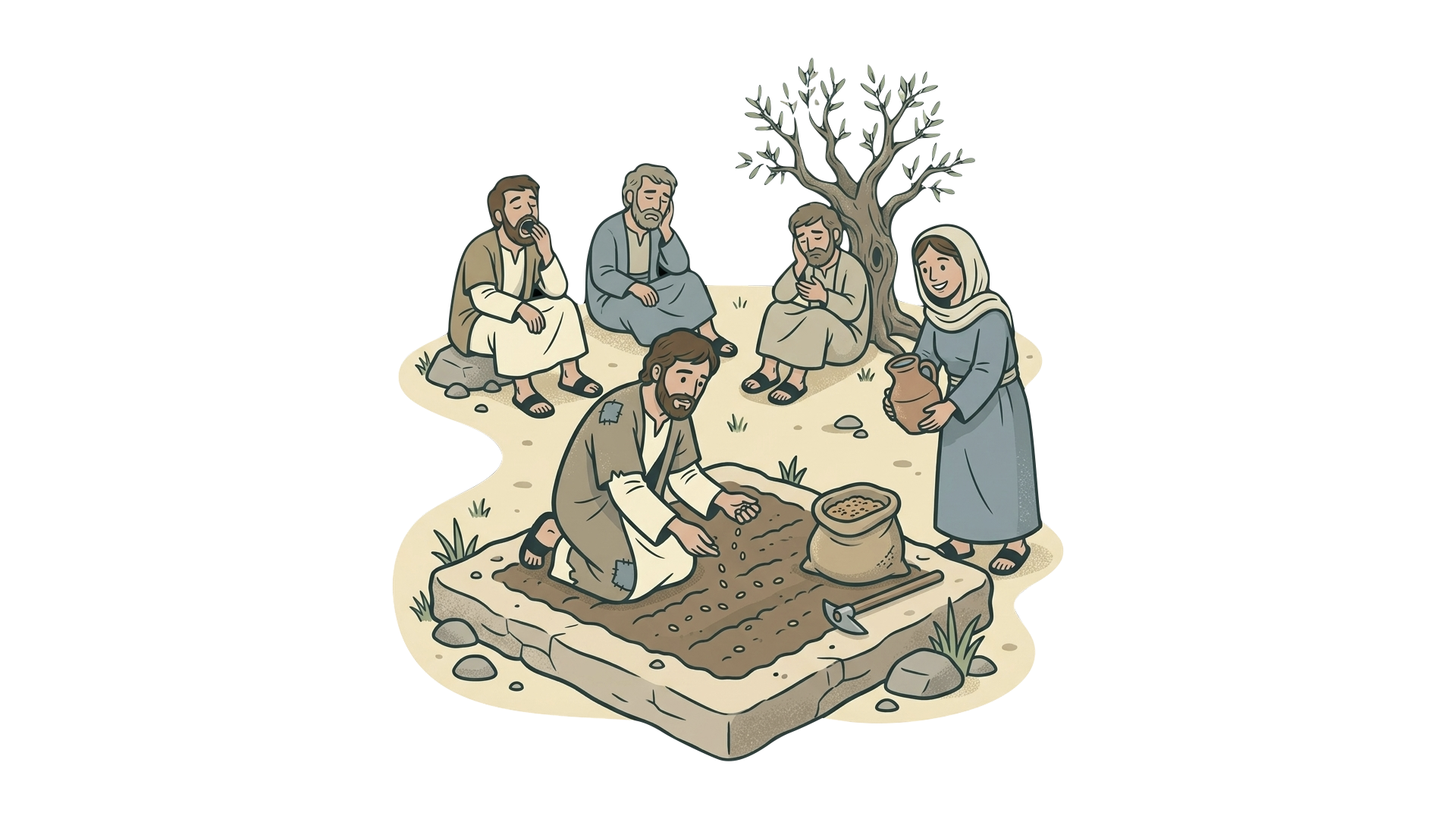
A Warning Against Idleness (vv. 6-12): Paul directly confronts the problem of idleness in the church. He commands them, "in the name of our Lord Jesus Christ," to stay away from any brother who is living an "unruly" life. He then presents himself as a model (vv. 7-9), reminding them that even though he had the right as an apostle to be financially supported, he chose to work "night and day" so as not to be a burden and to set an example for them to imitate. It was pointed out in our discussion that this leads to his famous command: "if anyone is not willing to work, neither let him eat" (v. 10). Another person observed the connection Paul makes between idleness and becoming a busybody—those with nothing to do often end up meddling in other people's affairs.
Instructions on Discipline and a Final Blessing (vv. 13-18): Paul encourages the faithful members not to "lose heart in doing good" (v. 13), even if others are taking advantage of them. For those who refuse to obey the letter's instruction, he advises the church to "take special note of that person" and not associate with them, so they might be put to shame and repent. As a club member emphasized, this discipline is meant to be restorative, not punitive; Paul explicitly says to "admonish him as a brother," not treat him as an enemy (v. 15). The letter ends with a blessing for peace and a personal greeting in Paul's own handwriting to verify its authenticity, a detail that one member found particularly touching and personal.
What is God revealing about humanity in this passage?
In our study tonight, we saw a few key truths about our human nature. One member pointed out that, like Paul, we are all models for someone, whether we realize it or not (v. 9); people are always watching, and our lives are a "living breathing sermon." We also have a natural tendency toward laziness and becoming "meddlesome busybodies" when we are idle (v. 11). As someone humorously noted, we've all seen people in a congregation who don't want to do any work themselves but want to have a say in everyone else's business. Furthermore, we learned that our strength to live faithfully must come from God, not ourselves (v. 3). We need His direction to have love and steadfastness, because on our own, we are unable. Finally, as a member insightfully added, we must be on guard not only against threats from outside the church but also from disorder within it.
What is God revealing about himself in this passage?
This chapter paints a beautiful picture of God's character. Over and over, our group came back to verse three: "But the Lord is faithful." We've seen this truth in almost every book we've studied together. Because God is faithful, He will strengthen and guard us from evil. He is the one who "directs our hearts into the love of God and into the steadfastness of Christ" (v. 5). If we desire love and endurance, they can only come from His guidance. He is also described as "the Lord of peace" who gives His people peace "in every circumstance" (v. 16). In a world full of turmoil, and even within a church dealing with unruly members, God is the ultimate source of true peace and quietness of heart.
How should our lives change having studied this passage?
This passage gives us a clear, two-pronged application for our lives. First, we must work diligently, guard against idleness, and avoid being busybodies who meddle in things that aren't our concern. As several people in our study pointed out, this applies both physically and spiritually. We should not be lazy in our jobs or our service to others, but we also shouldn't be "spiritually idle," expecting blessings from God without being willing to do the work of sharing the gospel or serving in the church. As one member put it, we can't always have our "mouths open, ready to be fed" without being willing to "cook the food." The second part of the application is to do all this while praying and trusting in God, who directs our hearts and gives us peace. The focus of the Christian life, as shown in this chapter, is always on others—praying for them, working to help them, and exhorting them—all flowing from a deep trust in God.