Eyes Of Your Hearts Enlightened (Ephesians 1)
Ephesians 1
This is a recap of our Bible Caller Club meeting on June 11th, 2026 over this passage. If you want to join the club and attend future meetings and study with us via phone, click here.
Context:
In our study tonight, we began the book of Ephesians. We learned that the Apostle Paul wrote this letter from a Roman prison between 60 and 62 AD to the church in Ephesus, a pagan city dominated by the worship of Artemis. This letter was written to address a unity problem between Jewish and Gentile believers, two very different groups coming together, with the first three chapters focusing on the grace of God that saves them, and the last three chapters focusing on how they should respond to that grace by showing grace to one another.
1. What’s happening in this passage?
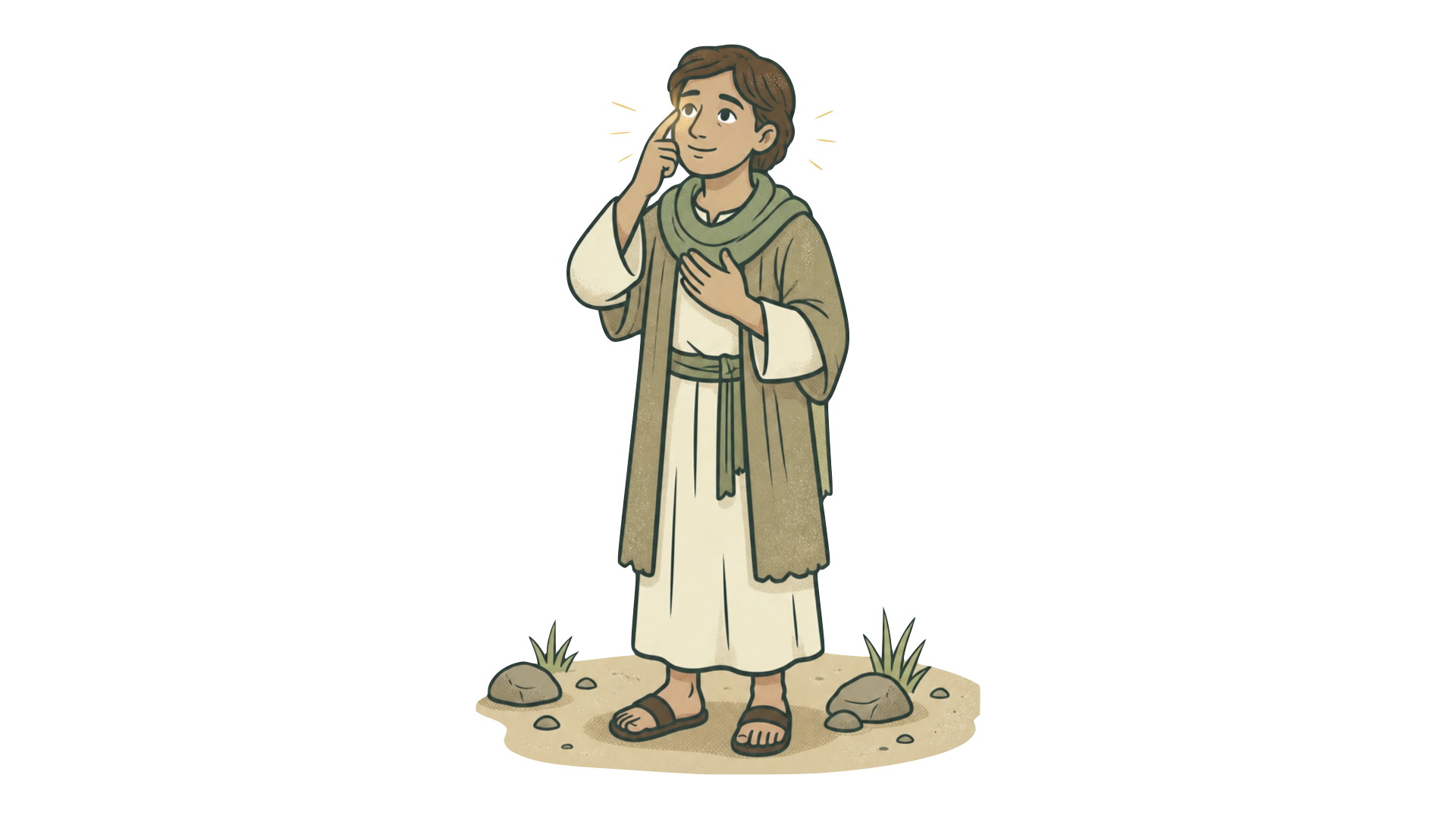
In our study on June 11, 2026, we dove into the first chapter of Ephesians. The chapter begins with Paul’s greeting to the church, reminding them that grace and peace come from God and Jesus, not from false idols like Artemis (vv. 1-2). Paul then launches into a beautiful overview of God's grace, explaining that God has blessed us with every spiritual blessing in Christ (v. 3). As one member pointed out, a key theme here is that God chose us before the world's foundation to be adopted as His children through Jesus (vv. 4-5). This contrasts sharply with the idols they were used to, which they had to choose. In this passage, God is the one who initiates and chooses. The group also discussed how we have redemption through Jesus' blood and the forgiveness of sins, all according to the riches of God's grace (v. 7). Paul also mentions that believers are sealed with the promised Holy Spirit, which acts as a pledge of our inheritance (vv. 13-14). In the second half of the chapter, Paul transitions into a prayer. He prays that the Ephesians' spiritual eyes would be enlightened to understand the hope of their calling, the riches of their inheritance, and the incredible, surpassing greatness of God's power—the same power that raised Jesus from the dead (vv. 15-20). This power, as we noted, places Jesus far above any other authority or name, including the false gods they once worshiped (v. 21).
2. What is God revealing about humanity?
Our discussion revealed several truths about the human condition. A member pointed out that we have a tendency to give authority to other things in our lives instead of God (v. 21). Our hearts can become dulled, and we can lose sight of the spiritual realities right in front of us, which is why Paul prays for their eyes to be enlightened. We also learned that without God, we have no real inheritance; our efforts are vanity, as one person connected to the book of Ecclesiastes (v. 11). Conversely, the passage shows that our created purpose is to live for the praise of God's glory (v. 6). When we believe, we are sealed with the Holy Spirit and are empowered by the same force that resurrected Christ, meaning we are not meant to feel defeated or alone (vv. 13, 19). Ultimately, we are part of Christ's body, and He is the head, bringing order and purpose to our lives (vv. 22-23).
3. What is God revealing about Himself?
This chapter paints a magnificent picture of God. In our study, we highlighted that He is the source of every spiritual blessing (v. 3). A major point that came up was that God's power and authority are supreme. Jesus is placed "far above all rule and authority and power and dominion," making it clear that He is infinitely more powerful than the false gods of Ephesus or any other power we can name (v. 21). He is the head over all things, bringing purpose and order out of chaos, much like He did in Genesis (v. 22). One of the most touching points was made by a member who noted that God desiresa family; He planned before creation to adopt us as His children (vv. 4-5). Unlike the cold, indifferent idols they were used to, God actively seeks us, wants us, and cares for us. He is also the source of all wisdom and insight, graciously revealing the "mystery" of His will—that Jews and Gentiles could be united as one in Christ (vv. 8-9, 17).
4. How should our lives change?
As we concluded our study, we focused on how this passage should change us. The most direct application is to ensure that God has the ultimate authority in our lives. Since we are chosen by God for a life of holiness, our lives should reflect that calling (v. 4). As one member put it, we need to "start acting accordingly, like we are part of Him." Another person shared a powerful insight about truly believing in our salvation. We have redemption and forgiveness through Christ, so we should live as redeemed and forgiven people, not in constant fear of judgment, which was the mindset under pagan idol worship (v. 7). A wonderful point was made that Paul gave thanks for the Ephesians' visible faith and love, which encourages us to live in such a way that others can see Christ in our actions. As one person memorably quoted, "You may be the only Bible someone ever reads." We should also pray for one another, asking God to open our spiritual eyes so we can grasp the hope and power of the gospel and stop craving the lesser things of this world (v. 18).