Let All That You Do Be Done In Love (1 Corinthians 16)
1 Corinthians 15:1-34
This is a recap of our Bible Caller Club meeting on May 18th, 2026 over this passage. If you want to join the club and attend future meetings and study with us via phone, click here.
Context:
In our study group on May 18, 2026, we reached the final chapter of 1 Corinthians. This book has been all about viewing every part of life through the lens of the gospel, as the Apostle Paul's answer to the Corinthian church's many problems—division, immorality, and pride—was to consistently point them back to the death, burial, and resurrection of Jesus Christ. If chapter 15 was about the theology of the resurrection, then chapter 16 is about intionally living it out in daily life.
1. What’s happening in this passage?
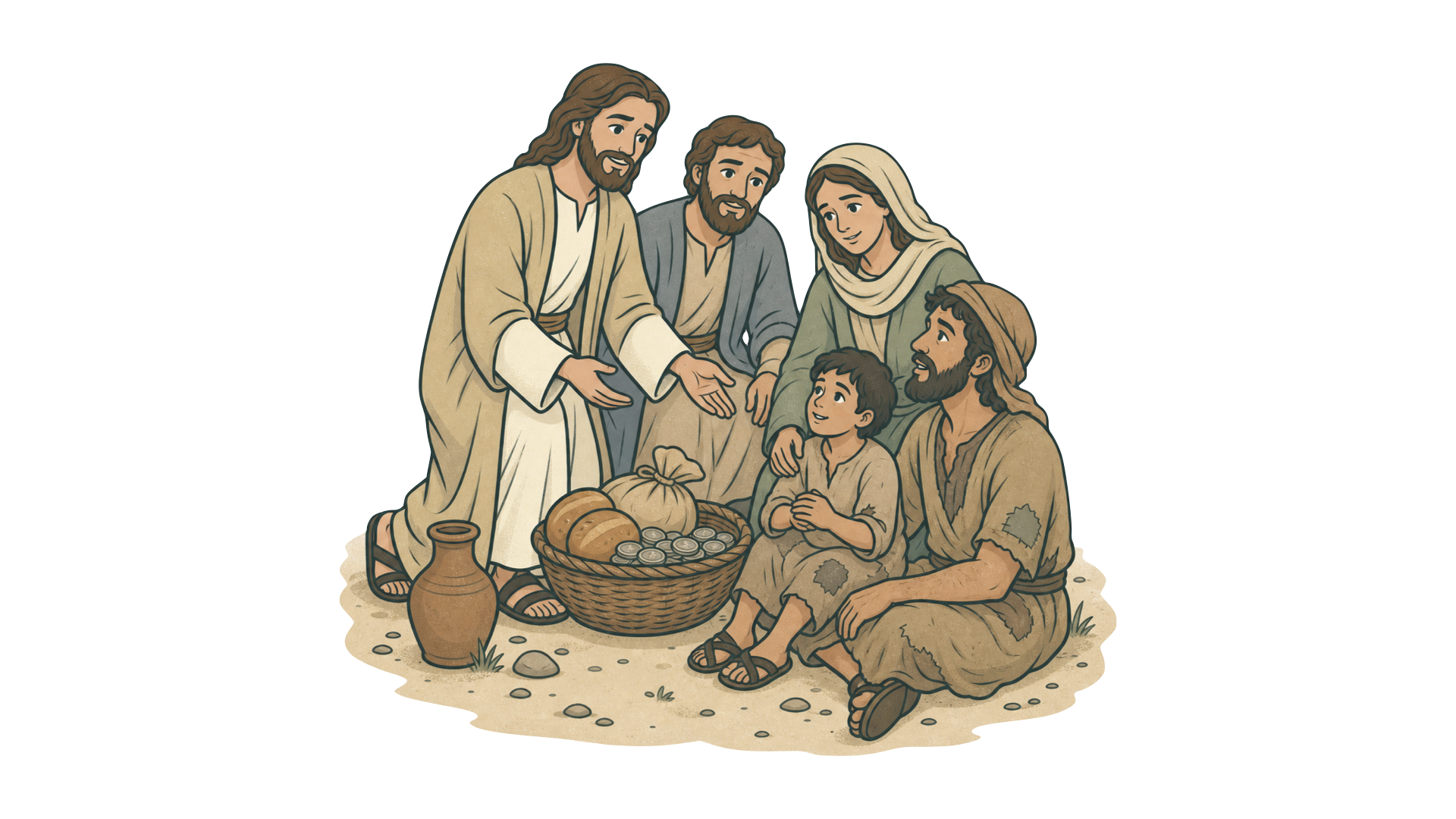
At first glance, chapter 16 can seem like Paul is just handling some random housekeeping items, but as we discussed in our study, this chapter is the practical application of the gospel theology he laid out in chapter 15. The passage begins with instructions for a "collection for the saints," telling the church to intentionally set aside money on the first day of every week (1 Corinthians 16:1-2). Paul then details his travel plans, expressing his desire to stay with them for a while, "if the Lord permits" (1 Corinthians 16:7). The passage is filled with personal greetings and instructions, such as welcoming Timothy without despising his youth (1 Corinthians 16:10-11) and recognizing the household of Stephanas for their service. As one member pointed out, the theme of subjection appears again when Paul tells them to "be in subjection to such men" who are devoted to service (1 Corinthians 16:16). The chapter concludes with a series of powerful exhortations: "Be watchful, stand firm in the faith, act like men, be strong. Let all that you do be done in love" (1 Corinthians 16:13-14).
2. What is God revealing about humanity?
During our discussion, we noted that this passage reveals some of our core human tendencies, and the very commands Paul gives show us where we are lacking. When he tells the Corinthians to "be watchful" and "stand firm," it implies their natural tendency was to be distracted and wavering, "like a wave tossed by the wind," as one person put it (1 Corinthians 16:13). A major theme we uncovered is that humanity tends to separate its theology from its daily life; we might believe in the resurrection but often fail to live like it. Paul is trying to show that the gospel isn't just a belief system but something that should transform our finances, schedules, and relationships. We also tend to admire giftedness over faithfulness, but Paul redirects our focus by telling the church to recognize and submit to those who have proven themselves faithful in service.
3. What is God revealing about Himself?
In our study tonight, we inferred several things about God's character from Paul’s closing words. God is a God of order and peace, which is reflected in Paul’s call for the Corinthians to be intentional in their giving and relationships (1 Corinthians 14:33). Another member highlighted Paul’s statement, "if the Lord permits," which shows that God’s will is sovereign over our human plans, and Paul models a life lived in subjection to that reality (1 Corinthians 16:7). We also see that God is one who opens doors for the gospel. Paul mentions that "a wide and effective door has opened to me," revealing that God creates opportunities for ministry, even amid adversaries (1 Corinthians 16:9). Finally, the key command to "let all that you do be done in love" reveals God's very nature, because, as the Bible says elsewhere, "God is love" (1 Corinthians 16:14; 1 John 4:8).
4. How should our lives change?
This final chapter of 1 Corinthians challenges us to stop separating our beliefs from our actions. If we truly believe in the gospel, it should infuse every aspect of our existence with intentionality. We should make plans, but with humility, always remembering to say, "if the Lord wills," just as Paul did. As one club member pointed out, a key takeaway is the need for both strength and love; strength alone can become domineering, while love alone can become wishy-washy. To truly live out the gospel, we must be rooted and strong in our faith while ensuring every action is motivated by love. This passage calls us to live lives of intentional sacrifice and service, and as another member brought up, to reach out to those who are struggling with love rather than judgment.