

Answer The Call
The Bible Caller Club Meeting Notes Blog

Do Not Be Unequally Yoked (2 Corinthians 6)
In our Bible study on May 24, 2026, we first reviewed the setup for this chapter. The Apostle Paul is writing his second letter to the church in Corinth to correct their thinking, as they were viewing him as weak and his speech as "contemptible" (2 Corinthians 10:10). Paul's overall message is that true greatness is found not in self-exaltation but in humble service and submission, even through affliction, so that God can be glorified.

Absent From The Body, At Home With The Lord (2 Corinthians 5)
As our study noted on the evening of May 23, 2026, this letter was written by the apostle Paul after a "painful visit" to the church in Corinth. Many in the church were rejecting his message of sacrifice and service, viewing him as weak and his words as "contemptible" (2 Corinthians 10:10), instead prizing self-exaltation and status. Paul is writing to correct this thinking, explaining that true strength is found in weakness so that God can be glorified.
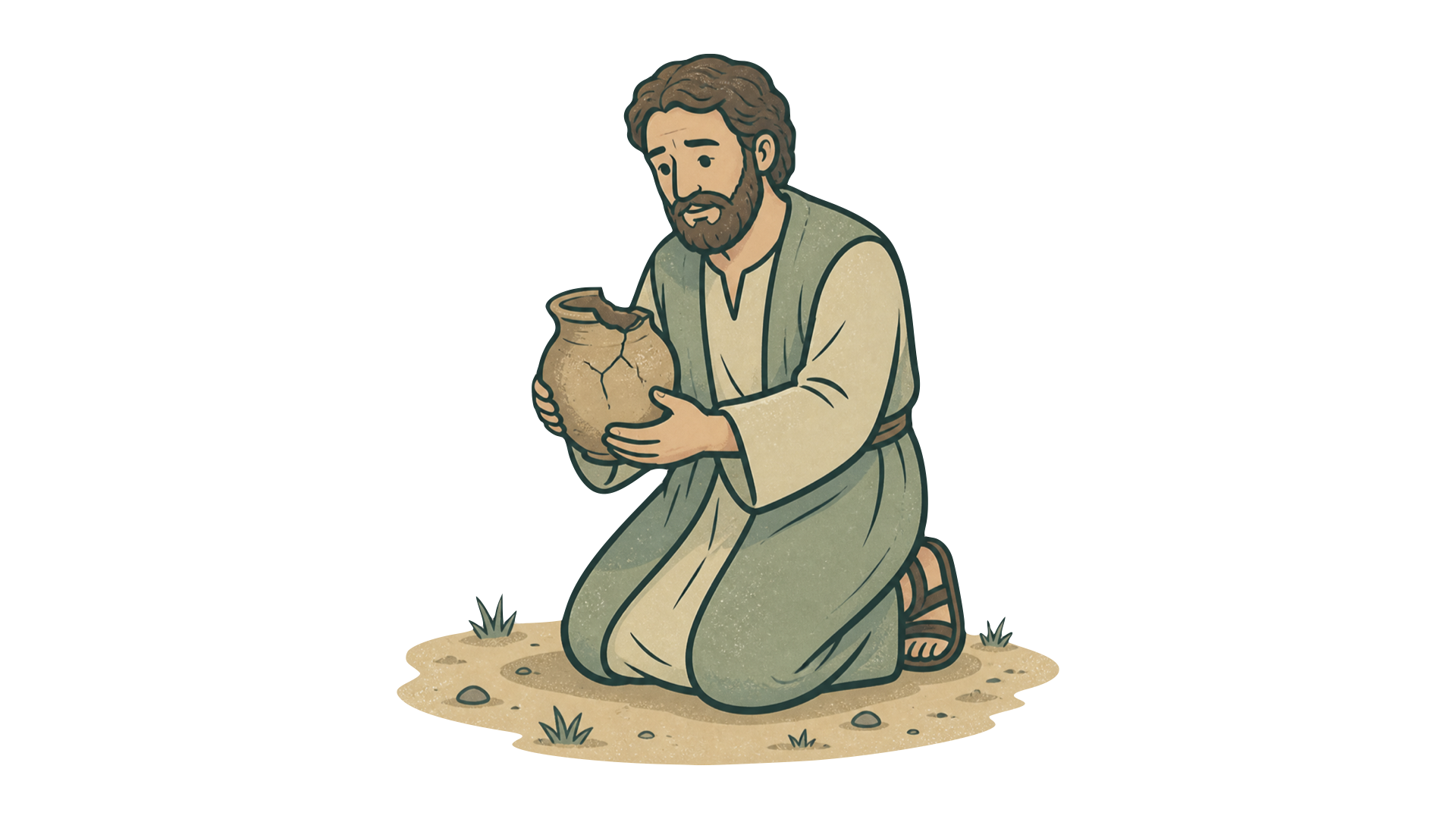
We Have This Treasure in Earthen Vessels (2 Corinthians 4)
In our study on May 22, 2026, we continued in the book of 2 Corinthians. The group saw that this section continues Paul's defense of his ministry to the Corinthian church, where his emphasis is on how the glory of the gospel is revealed through suffering and weakness, not through worldly strength.
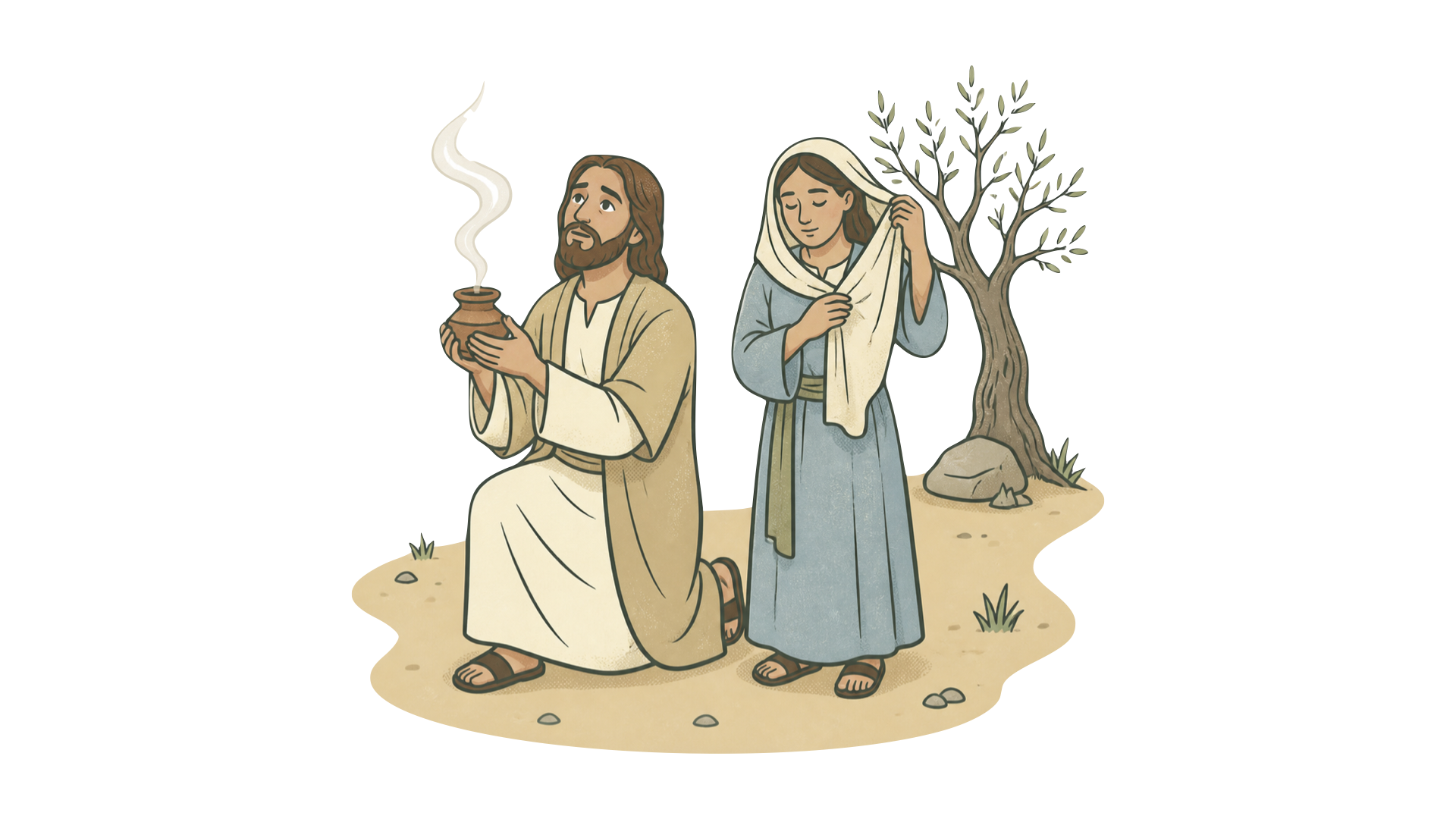
A Fragrance of Christ to God (2 Corinthians 2:5-3:18)
As was explained at the beginning of our study on May 21, 2026, the Apostle Paul is writing this second letter to the church in Corinth after a "painful visit" to defend his apostleship. The influential leaders were still rejecting Paul, calling his presence "weak" and his words "contemptible" (2 Corinthians 10:10), so Paul argues that true strength in God's kingdom is found in weakness, suffering, and sacrifice, much like the gospel itself.
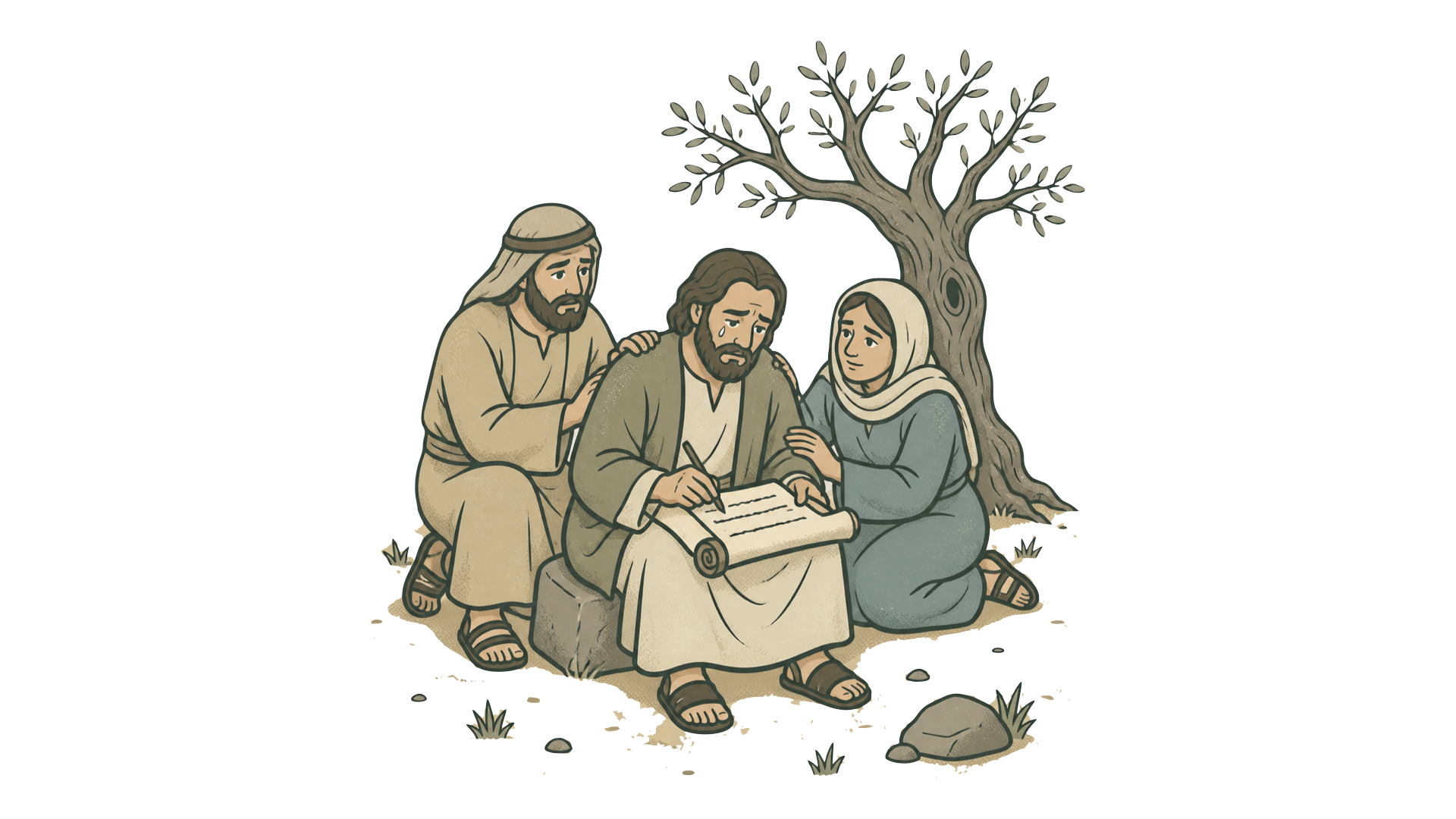
God Of All Comfort (2 Corinthians 1:1-2:4)
In our study on Tuesday, May 19, 2026, we began the book of Second Corinthians. As explained in the meeting, this letter was written about a year after First Corinthians, after Paul had made a "sorrowful" visit because the church had only "partially understood" his first letter and were now attacking him personally. Paul wrote this second, more personal and emotional letter to defend his ministry and the nature of the gospel, addressing their partial repentance and the lingering problems.
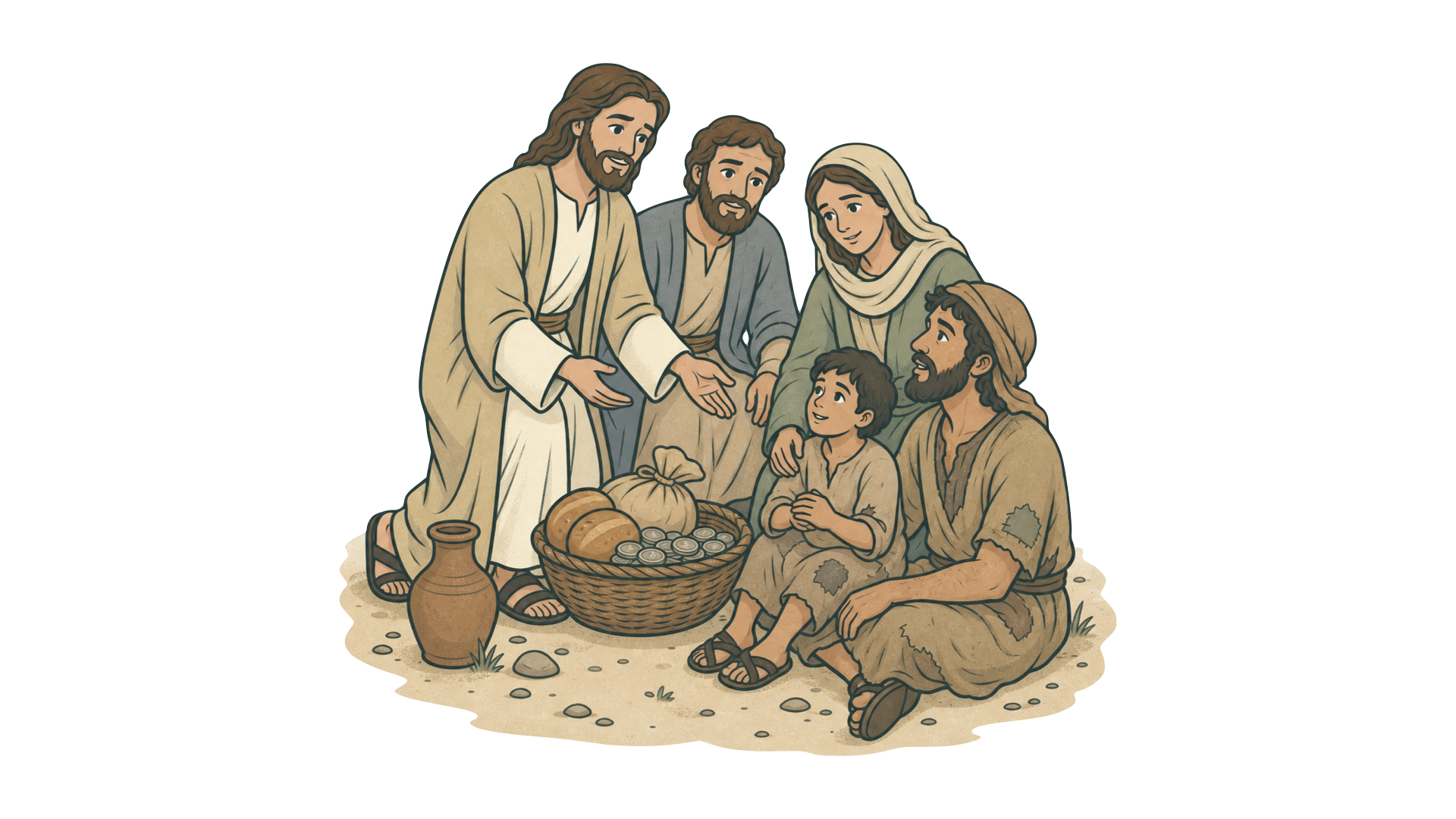
Let All That You Do Be Done In Love (1 Corinthians 16)
In our study group on May 18, 2026, we reached the final chapter of 1 Corinthians. This book has been all about viewing every part of life through the lens of the gospel, as the Apostle Paul's answer to the Corinthian church's many problems—division, immorality, and pride—was to consistently point them back to the death, burial, and resurrection of Jesus Christ. If chapter 15 was about the theology of the resurrection, then chapter 16 is about intionally living it out in daily life.
Sown Corruptible, Raised Incorruptible (1 Corinthians 15:35-58)
As our group study on May 17th, 2026, continued, we arrived at the second half of chapter 15. The discussion explained that the entire book has been Paul’s effort to get the Corinthian church to see every part of their lives through the lens of the gospel, but they had become so focused on earthly, fleshly matters that they began to doubt or misunderstand the core concept of the resurrection.
If We Have Hoped in Christ in This Life Only (1 Corinthians 15:1-34)
In our Bible study on May 16, 2026, we jumped into the fifteenth chapter of 1 Corinthians. This chapter is the culmination of the entire book, addressing the core issue underlying all the Corinthians' problems: they didn't believe in the resurrection, which sets the stage for Paul's foundational teaching.
A God of Peace, Not Confusion (1 Corinthians 14:26-40)
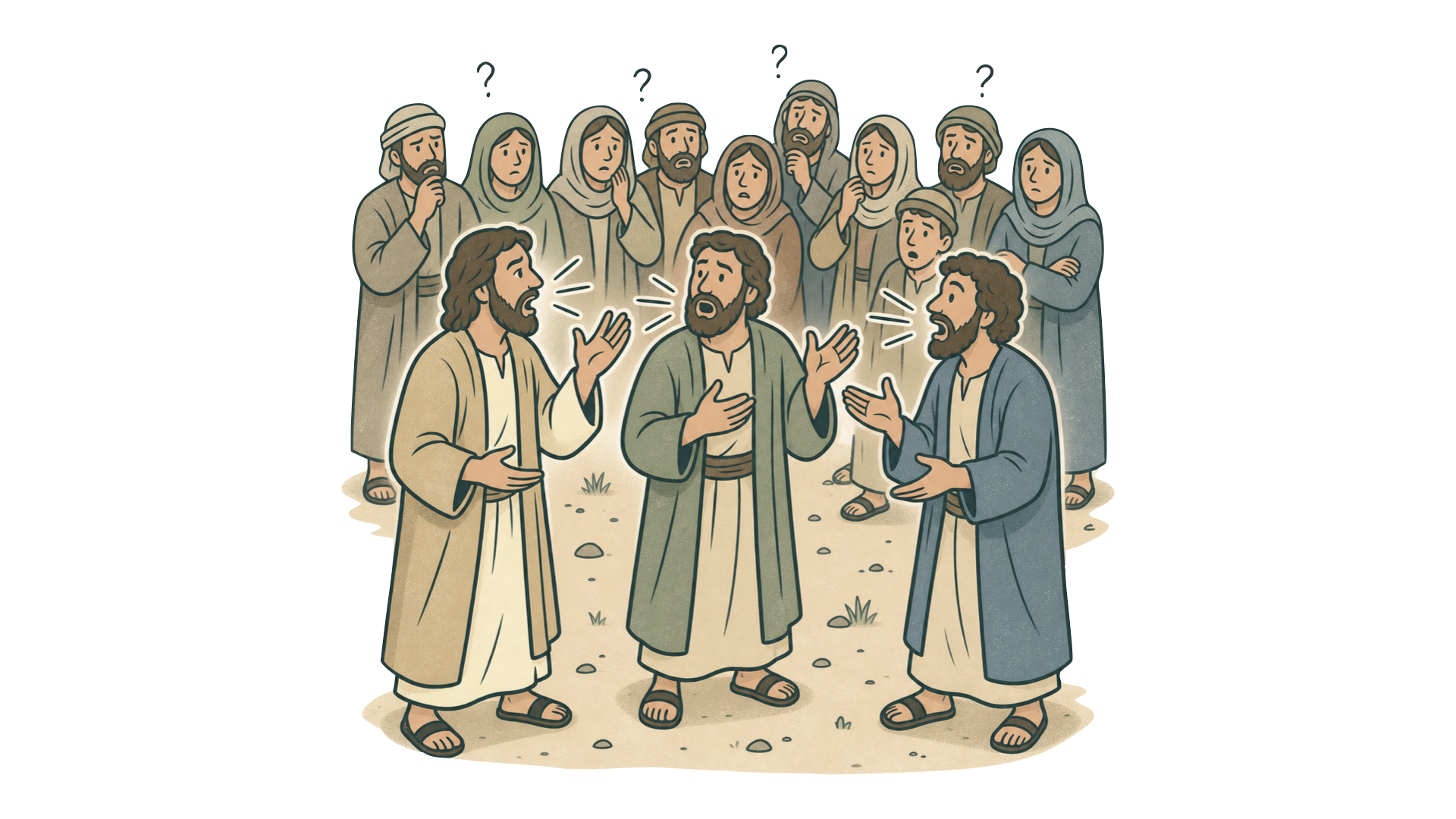
In our study tonight, we finished 1 Corinthians 14 by looking at verses 26-40. Paul gives the Corinthian church specific, practical instructions for how their worship services should be conducted. He starts by establishing a key principle: "Let all things be done for edification" (v. 26).
“Surely God is Among You” (1 Corinthians 13:1-14:25)
This passage follows a discussion on the misuse of spiritual gifts, where church members were either feeling unimportant or acting superior to others, and Paul now presents love as the solution and shows how to put it into practice.
“A More Excellent Way” (1 Corinthians 12)
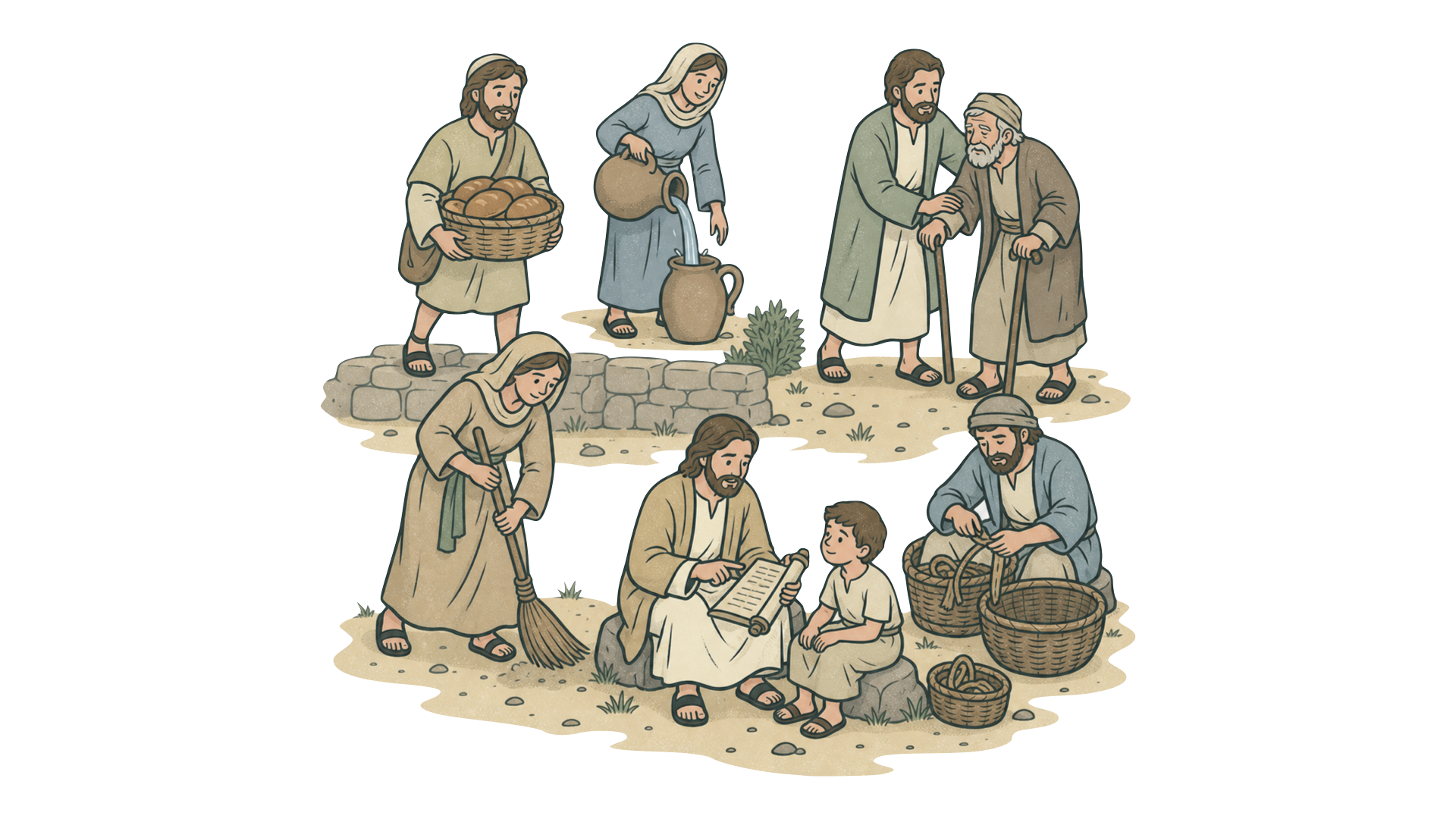
In our study on the evening of May 12, 2026, we jumped into 1 Corinthians chapter 12. Paul is writing to the Corinthian church to help them see every part of their lives through the lens of the gospel (that is, sacrifice, service, and submission), addressing everything from division to, in this chapter, spiritual gifts, and how they our view of them should lead to unity and service, not division and pride.
“Wait for One Another” (1 Corinthians 11)
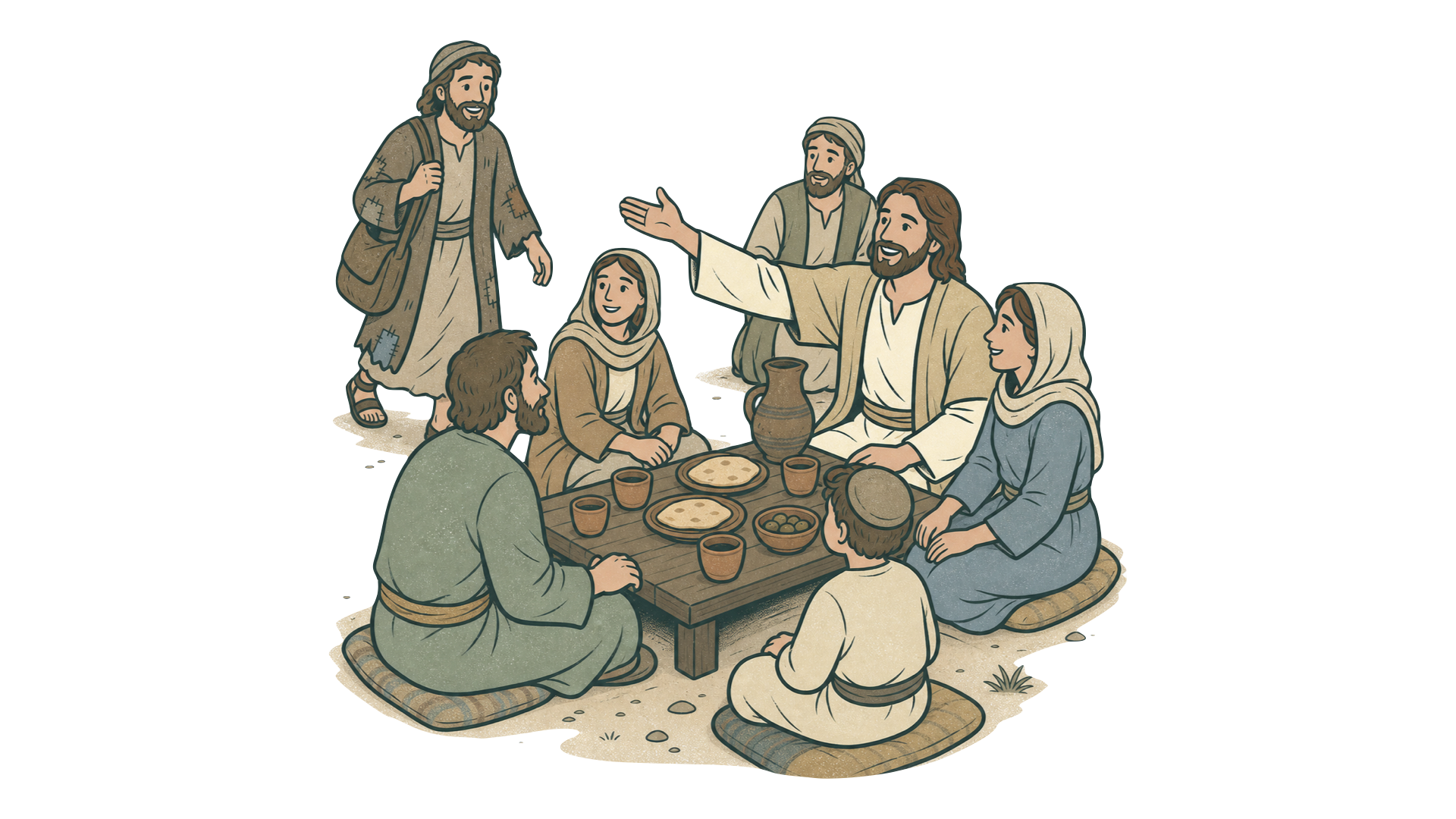
Chapter 11 of 1 Corinthians continues the book's main theme: seeing every part of life through the lens of the gospel. Paul wants the Corinthians to understand that the gospel calls for sacrifice, service, and submission for the good of others, which he applies to issues of head coverings to show submission, and the Lord's Supper to show unity.
The Cup Of The Lord Vs. The Cup Of Demons (1 Corinthians 10)
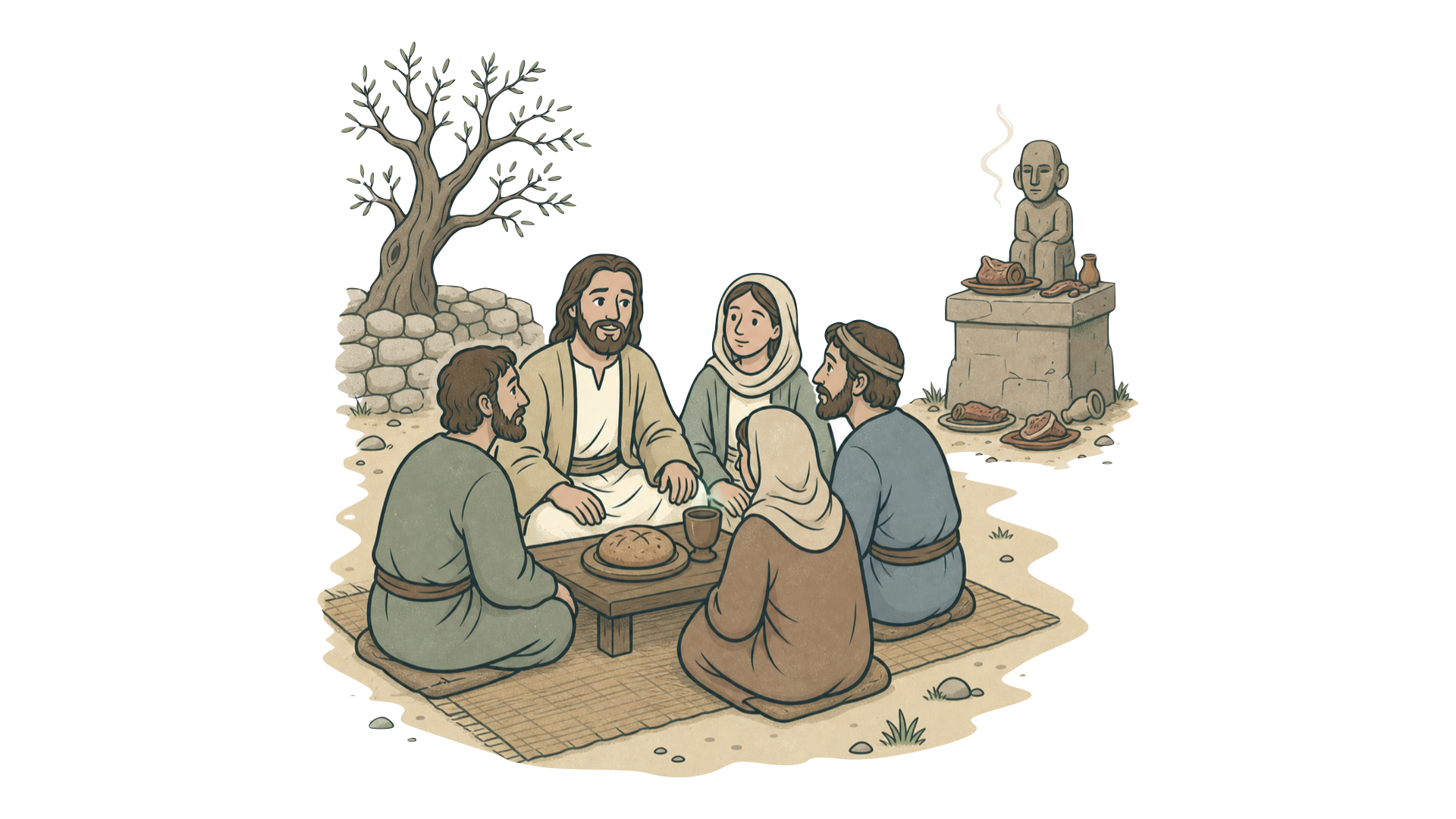
We must consciously choose which table we will sit at. This means choosing the table of Christ—a table of sacrifice, service, and submission—in our daily kingdom living. We are called to participate in the gospel message, to drink the "cup of suffering" with Christ for the good of others.
Running With Aim (1 Corinthians 9)
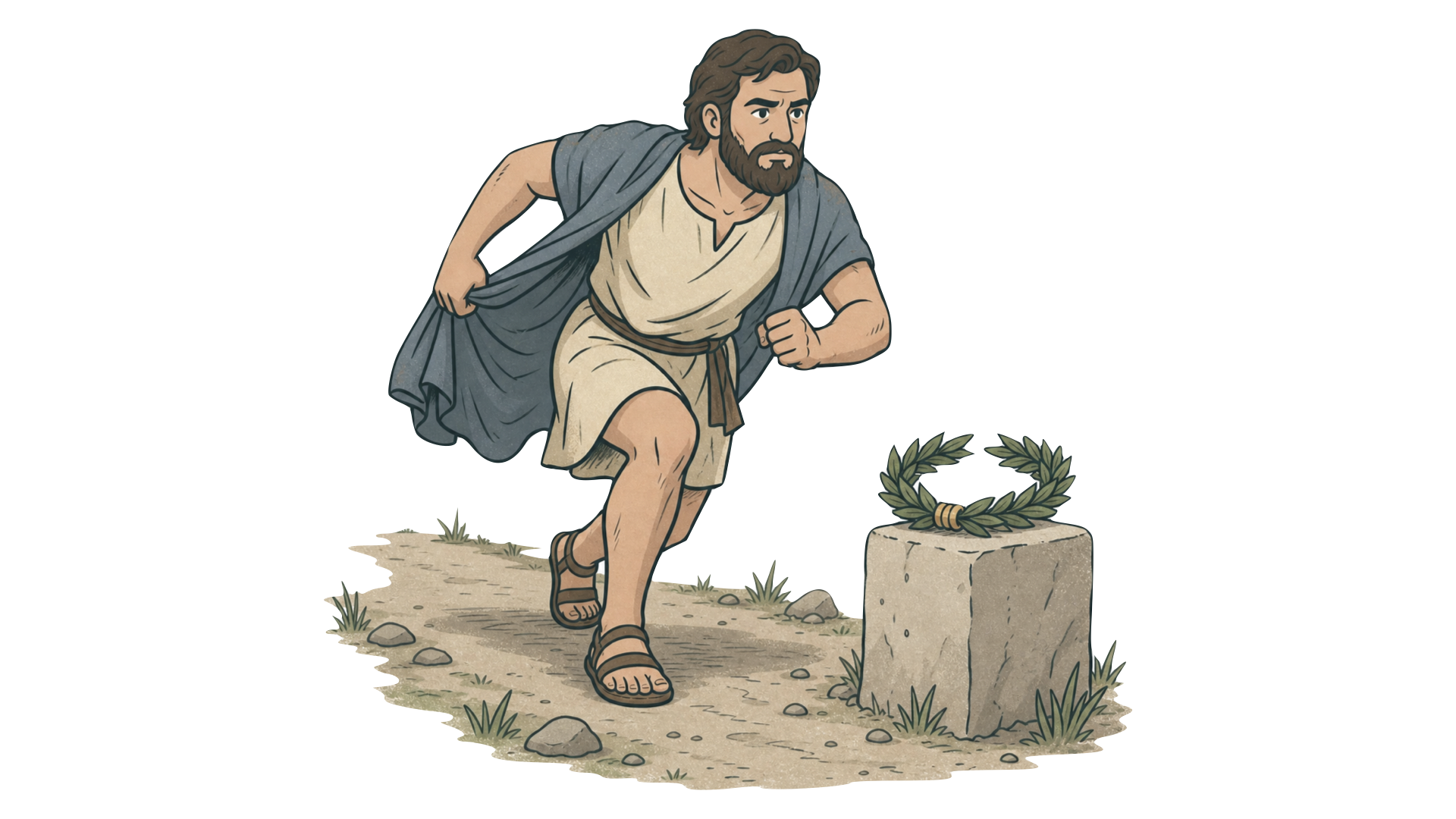
We need to actively check how we are running our "race." Are we running with purpose and discipline, or are we just "beating the air"? This means being intentional about how our actions and words affect those around us. As was pointed out, winning in God's kingdom isn't about getting the highest score, but the lowest—it's about who is willing to give up the most for others.