A Fragrance of Christ to God (2 Corinthians 2:5-3:18)
2 Corinthians 2:5-3:18
This is a recap of our Bible Caller Club meeting on May 21st, 2026 over this passage. If you want to join the club and attend future meetings and study with us via phone, click here.
Context:
As was explained at the beginning of our study on May 21, 2026, the Apostle Paul is writing this second letter to the church in Corinth after a "painful visit" to defend his apostleship. The influential leaders were still rejecting Paul, calling his presence "weak" and his words "contemptible" (2 Corinthians 10:10), so Paul argues that true strength in God's kingdom is found in weakness, suffering, and sacrifice, much like the gospel itself.
1. What’s happening in this passage?
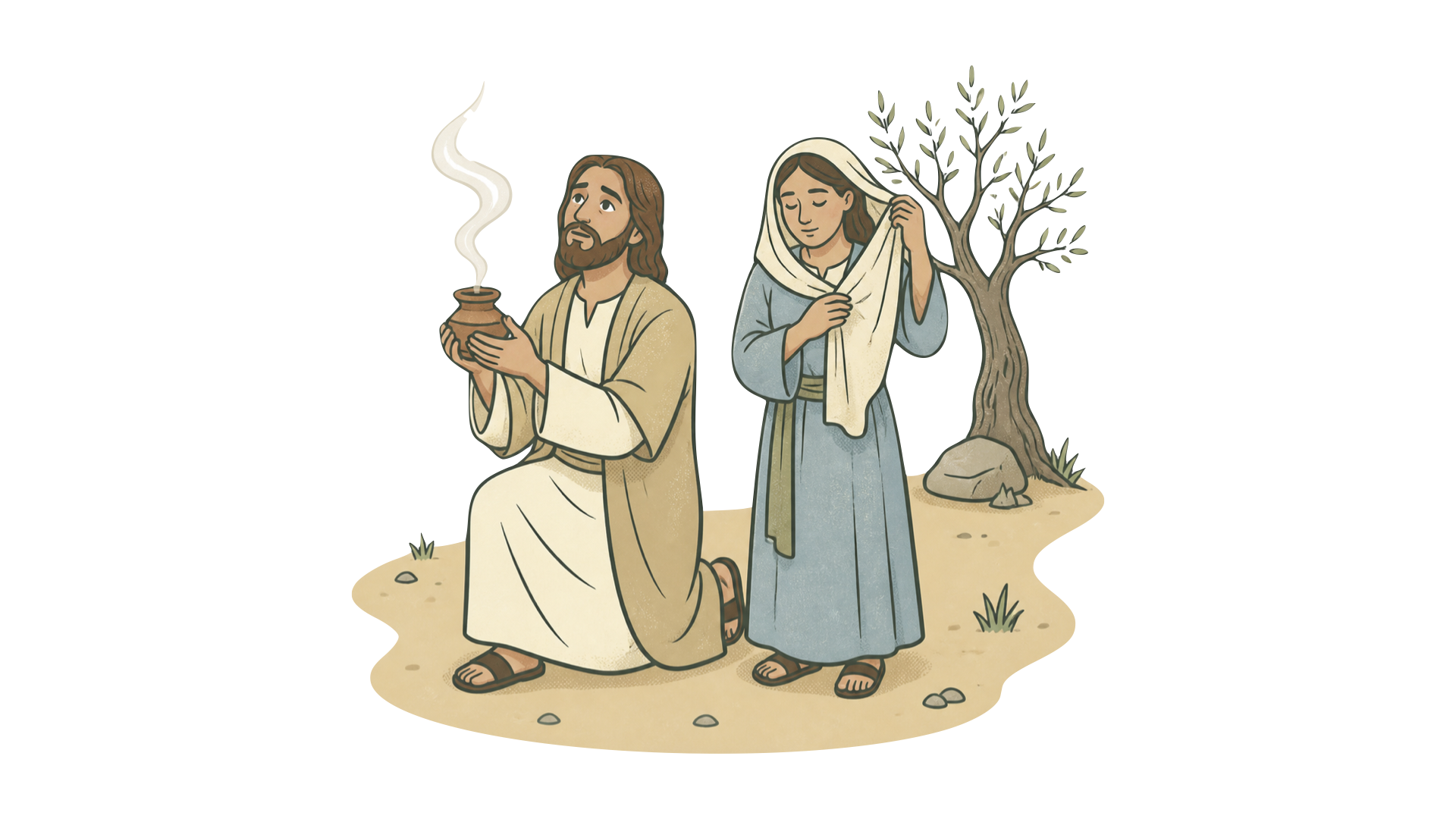
In our study tonight, we worked our way through the end of 2 Corinthians chapter 2 and all of chapter 3. The passage begins with Paul addressing the church’s successful discipline and restoration of a man who had sinned. Paul commends them for forgiving and comforting this repentant individual, urging them to "reaffirm your love for him" so that he isn’t "swallowed up by excessive sorrow" (2 Corinthians 2:7-8). He emphasizes that he also forgives the man to prevent Satan from using division to his advantage (2 Corinthians 2:10-11). Paul then pivots, expressing his own distress and need for comfort, which he didn’t find even when a door for ministry was opened in Troas (2 Corinthians 2:12-13). He then introduces a powerful metaphor, describing his ministry as a "fragrance of Christ" (2 Corinthians 2:15). To those being saved, it’s an "aroma from life to life," but to those who are perishing, it’s an "aroma from death to death" (2 Corinthians 2:16), challenging the Corinthians to decide how they perceive his sacrificial work. A key point that came up was the metaphor in verse 17, where Paul says he and his companions are not peddling the word of God for profit, but speak with sincerity. In chapter 3, Paul refutes the need for "letters of commendation," declaring that the Corinthians themselves are his letter, "written not with ink but with the Spirit of the living God" on their hearts (3:3). He contrasts the "ministry of death" (the Old Covenant) with the glorious "ministry of the Spirit" (the New Covenant), arguing that the new is far superior (3:7-11). He concludes by explaining that a "veil" lies over the hearts of those who read the Old Covenant without Christ, but "whenever a person turns to the Lord, the veil is taken away" (3:16). With this veil removed, we are free and are being "transformed into the same image from glory to glory" (3:18).
2. What is God revealing about humanity?
During our prayer request time before the study, the struggles of human life were laid bare as members shared about recent deaths, severe back pain, and the need for travel safety. It’s clear we are not meant to carry these burdens alone. As the conversation continued into the scripture, several points about human nature stood out. As one club member pointed out, we often struggle to take accountability for our own spiritual state, preferring to blame others or rely on charismatic speakers instead of fostering a direct relationship with Christ. Another member highlighted our "hardness of heart" and natural aversion to suffering (3:14); we seek instant gratification, and when in pain, we focus on ourselves instead of finding joy through reliance on God. A recurring theme in our study was the human tendency toward pride and self-sufficiency, thinking we have "arrived" and have no need for further growth. We also saw humanity's tendency to be harsh and judgmental, demanding credentials like the "letters of commendation" before accepting someone (3:1). We also recognized our human struggle to truly forgive and comfort one another after a sin has been committed; this reluctance is a weakness that, as the passage warns, Satan can exploit to divide the church. Finally, we are prone to "peddling" the word of God—lecturing others without letting the message transform our own hearts first.
3. What is God revealing about Himself?
In our study tonight, we were reminded that God is the source of all true glory. One of the first things a member noticed was that "True glory comes through God," a glory we can't manufacture on our own (3:18). This glory is most powerfully revealed not in human strength, but in weakness and affliction. Through our practice of bringing requests to Him, our group affirmed that God is a listener who cares about the details of our lives—our pain, our safety, and our families. A key takeaway from our reading was from chapter 3, verse 17: "Now the Lord is the Spirit, and where the Spirit of the Lord is, there is freedom." God is Spirit, and He is the bringer of true freedom from the pressure to be perfect and to live by a legalistic checklist. We are free to be weak and vulnerable because He is strong. It was also noted that God is the source of our "sufficiency" (3:5); He makes us sufficient ministers of the New Covenant. Most powerfully, God is the one who actively removes the veil from our hearts. When we turn to Him, He takes the veil away, allowing us to truly see and understand the gospel (3:16) and then transforms us "into the same image from glory to glory" (3:18).
4. How should our lives change?
The opening of our meeting was a powerful reminder of the importance of community and dependent prayer. This time encouraged us to be a people who consistently bring our needs, and the needs of others, to God and to our community. The passage then challenged us to live differently. A member brought up the profound importance of forgiveness; when someone repents, we are called to graciously forgive, comfort, and lift them up (2:7-8). We must actively resist Satan's scheme to divide us by reaffirming our love for those who have stumbled (2:7-11). Furthermore, we should realize that our own lives are meant to be a "letter of Christ" (3:3). The way we live out the gospel can be a testament to the world, more powerful than any certificate. This means embracing the gospel's call to humility and sacrifice, rather than self-exaltation. We must be willing to make adjustments in our lives as we learn and grow, never assuming we have "arrived," and constantly look into the "mirror" of the gospel to allow it to transform us (3:18). Finally, we were challenged to stop "peddling the word of God" (2:17). Instead of just talking about the gospel, we must live it out with sincerity, allowing it to change us from the inside out so we can genuinely love and accept one another.