Weak And Worthless Elemental Things (Galatians 4:1-20)
Galatians 4:1-20
This is a recap of our Bible Caller Club meeting on June 5th, 2026 over this passage. If you want to join the club and attend future meetings and study with us via phone, click here.
Context:
In our study tonight, we picked up in Galatians chapter 4. As a reminder of what's been happening in the book, Paul is astonished that the Galatian believers are so quickly deserting the gospel of grace for a different one (Galatians 1:6). This "different gospel" was brought in by false teachers who insisted that believers must first obey the Old Testament law, including circumcision and observing special days, to be saved. Paul's main argument, stated in chapter 2 verse 16, is that a person is justified by faith in Christ, not by the works of the law.
1. What’s happening in this passage?
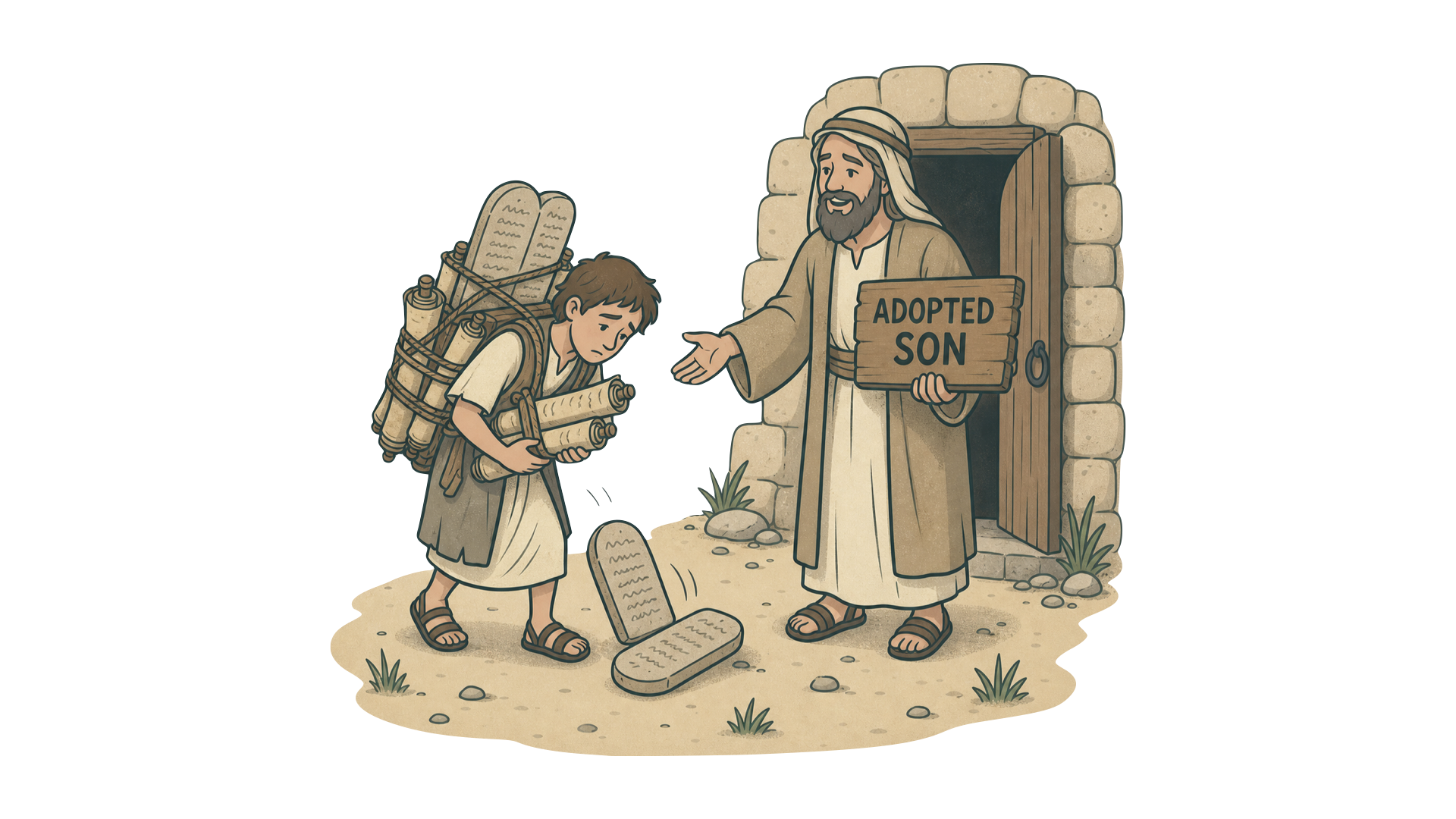
In our reading of Galatians 4:1-20, Paul continues this argument by using an analogy of an heir who is still a child. He explains that even though the heir owns everything, he is treated like a slave, under the control of guardians until a set date (4:1-2). Paul compares this childhood to the time before Christ when people were "enslaved under the elemental things of the world," referring to the Old Testament law. In the fullness of time, God sent His Son to redeem those under the law so they could be adopted as sons and receive the Holy Spirit (4:4-7). A member of our study pointed out how this passage is all about the theme of growth, or in the Galatians' case, a lack thereof. They should have grown from the "elemental" things to spiritual maturity, but instead, they were going backward. Paul questions why, after knowing God, they would want to return to the "weak and worthless elemental things" like observing special days, months, seasons, and years (4:9-10). Paul then contrasts their initial warm reception of him, when they would have plucked out their own eyes for him (4:15), with their current view of him as an enemy for telling them the truth (4:16). He explains that the false teachers are zealously seeking them for selfish reasons, wanting to isolate the Galatians to gain control (4:17). Paul ends this section by expressing his perplexity and his deep parental anguish, saying he is "in labor until Christ is formed in you" (4:19).
2. What is God revealing about humanity?
During our discussion, we saw several things about human nature. A key insight was that we have a tendency to regress in our spiritual growth, especially when things get difficult. As one club member pointed out, we often "choose the option that requires less faith." We prefer tangible, black-and-white rules because it’s easier to measure our own righteousness by a checklist of actions. This desire to return to "slavery" was compared to the Israelites wanting to go back to Egypt because, while they were slaves, at least their physical needs were met without them having to trust God. It's the path of least resistance. We also noted that people can be spiritually immature, reacting with anger when confronted with the truth, just as the Galatians became hostile toward Paul (4:16). Furthermore, we want a physical leader to tell us what to do, as one person shared, because it absolves us of personal responsibility. This is why Paul's physical absence made it easier for the false teachers to swoop in.
3. What is God revealing about Himself?
Our group found that this passage reveals God as a loving Father who desires a deep, personal relationship with us. He doesn't want us to be slaves; he wants us to be adopted as His children and heirs (4:5-7). As one participant beautifully stated, a father is not going to lead his children in the wrong direction; He is the one who gives right direction. A key point was raised from verse 9, which says we have come to know God, "or rather to be known by God." God doesn't just allow us to know Him; He actively and personally knows us. He is the one who initiates this relationship, sending His Son to redeem us and His Spirit into our hearts (4:4-6). Another member pointed out that just as the Galatians welcomed Paul despite his physical ailment, Christ welcomes us despite our own issues and brokenness if we are seeking Him (4:14). God gives us a freedom that the world cannot offer and makes it possible for us to be adopted into His family.
4. How should our lives change?
In our study tonight, we concluded that our lives should change in several ways. Primarily, we must actively pursue spiritual growth, moving beyond a works-based or "checklist" faith toward a deeper trust in Christ. This means we must consciously "resist the temptation to turn back to the weak and worthless elemental things" (4:9). As one member put it, this all starts with a choice to truly know God and be known by Him. Another powerful application, as one person shared, is the need to seek out and surround ourselves with spiritually-minded people who will encourage this growth process and help us focus on scripture, not just on who is right or wrong. We must welcome these people with openness and hospitality. Ultimately, as we discussed, our goal should be to constantly allow Christ to be formed within us (4:19). This is a beautiful growth process that happens when we let go of the "elemental things" and embrace our identity as children and heirs who know our Father and are intimately known by Him.