Stop Limiting God (Ephesians 3)
Ephesians 3
This is a recap of our Bible Caller Club meeting on June 13th, 2026 over this passage. If you want to join the club and attend future meetings and study with us via phone, click here.
Context:
In our Bible study on June 13, 2026, we continued our journey through the book of Ephesians. Paul wrote this letter to the church in Ephesus to remind them of God's grace that unites believers into one family; this specific passage explains Paul's role in revealing God's grace and offers a prayer that the Ephesians would fully grasp it.
1. What’s happening in this passage?
In our study tonight, we broke down the flow of Ephesians chapter 3. The chapter begins with Paul describing his ministry as a "stewardship of God’s grace" given to him for the Gentiles (Ephesians 3:1-2). He explains that his mission is to make known a "mystery" that was hidden in previous generations but has now been revealed by the Spirit (Ephesians 3:3-5). As one person in our group pointed out, this great mystery is explicitly stated: "that the Gentiles are fellow heirs and fellow members of the body, and fellow partakers of the promise in Christ Jesus through the gospel" (Ephesians 3:6). Paul emphasizes that he, the "very least of all saints," was given the grace to proclaim this message and to bring to light God’s hidden plan, so that God’s wisdom would be demonstrated through the church to the spiritual rulers and authorities (Ephesians 3:8-10). The second half of the chapter is Paul's prayer for the believers, asking the Father to strengthen them with power through His Spirit in their inner being (Ephesians 3:14, 16). He prays that Christ would dwell in their hearts, and that they would be rooted in love so they could comprehend the immeasurable love of Christ and be "filled up to all the fullness of God" (Ephesians 3:17-19). The prayer concludes with a powerful declaration that God is able "to do far more abundantly than all that we ask or think," according to the power at work within us (Ephesians 3:20-21).
2. What is God revealing about humanity?
During our discussion, we noted several things this passage reveals about the human condition. One member pointed to verse 13, where Paul asks the Ephesians "not to lose heart" over his afflictions, implying a very human tendency to become discouraged when facing persecution and struggle. We also recognized that if we rely on our own strength, we will always be disappointed and let ourselves down. We also discussed our tendency to build walls and form exclusive groups, just as the Jews had done. The "mystery" of Gentile inclusion directly confronts this human habit of division (Ephesians 3:6). A powerful point was made that we often don't grasp the sheer magnitude and inclusivity of the gospel and can become like the Jews, trying to "gatekeep" it. As another member shared, our real battle is not the physical ones we exhaust ourselves fighting, but the spiritual one, and we often miss this truth entirely (Ephesians 6:12). The passage shows that we have a choice: we can seek the false promises of the world or we can seek the wisdom of God, even if it means facing struggles. Ultimately, it highlights our need for God’s power in our "inner man" because we can’t live out this faith on our own.
3. What is God revealing about Himself?
This chapter reveals so much about God's character and plan. A key takeaway from our group was that God is a God of revelation who wants us to understand His plan and actively helps us do so through both study and prayer. This plan wasn't just for a select few; it was for "all generations" (Ephesians 3:21). As someone noted, God is inclusive, desiring for Jews, Gentiles, past, present, and future generations to come to Him. His love is so immense that it "surpasses knowledge" (Ephesians 3:19). It was pointed out that God chose to reveal the mystery of His wisdom to the spiritual world through the church (Ephesians 3:10), letting His united people be the living demonstration of His glorious plan. We were reminded that God is a God we can approach with "boldness and confidence" (Ephesians 3:12). We also discussed how God gives us our new identity; when Paul says every family is named from the Father, it means God adopts us, and we now bear His family name as His children (Ephesians 3:14-15). But the biggest takeaway for our group was found in the closing of the prayer. As one person put it, we need to stop putting God in a "small lowercase god box." He is not limited; He is the all-powerful God who is able "to do far more abundantly beyond all that we ask or understand" (Ephesians 3:20).
4. How should our lives change?
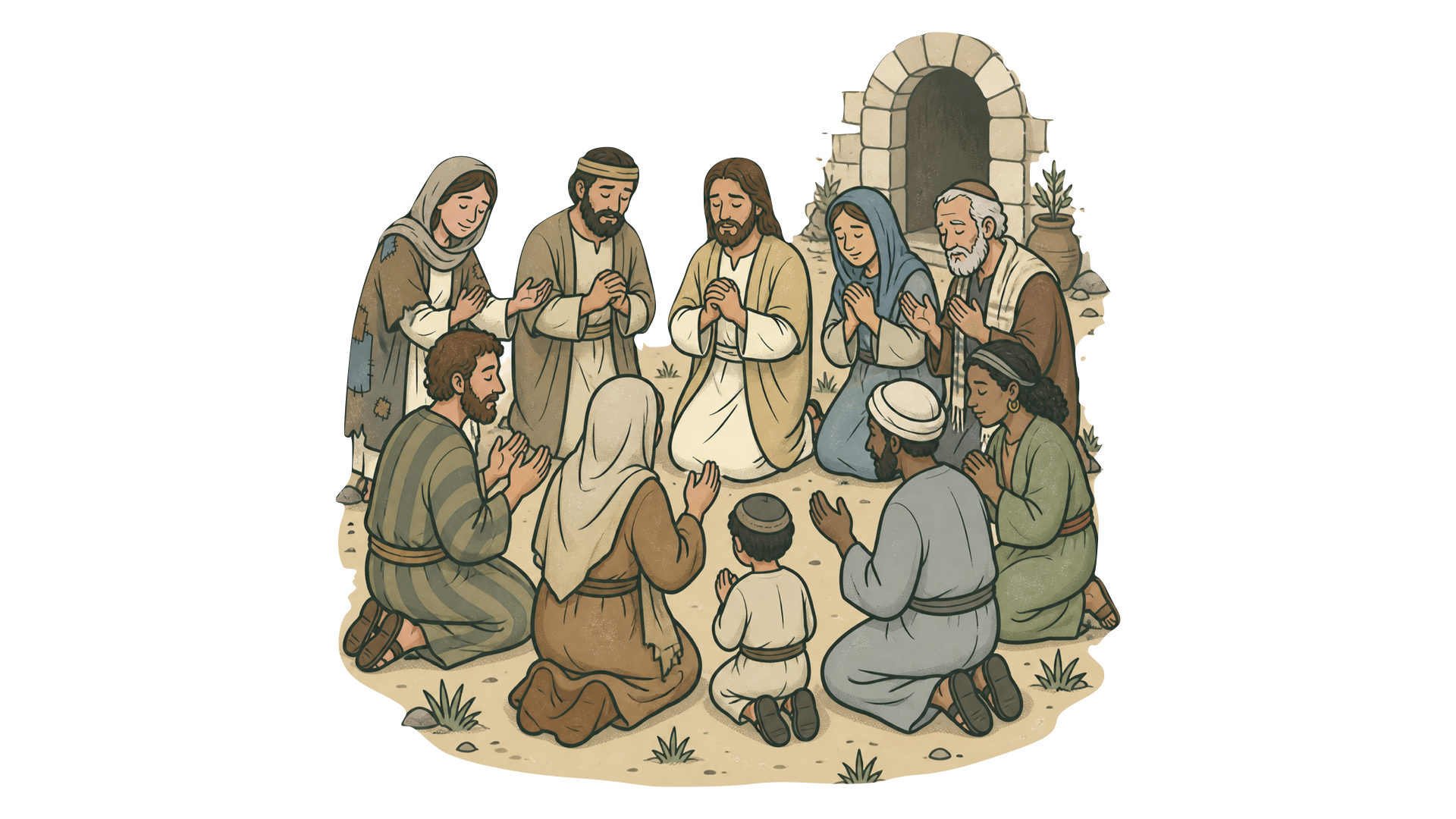
Reflecting on this passage, our group identified several powerful applications. Since God’s wisdom is made known through the church, we must ask ourselves how we are doing at being the living sermon the world is watching. As one person recalled from a previous study, "We may be the only Bible that someone ever reads." This chapter drives that point home. We should also not "lose heart" when facing afflictions, but instead, allow Christ to dwell in our hearts, rely on His strength, and remember that God has prepared good works for us (Ephesians 2:10, 3:13, 16-17). Another member brought up the fact that we can understand the mystery, but we have to actually read God’s word and pray for our eyes to be enlightened, because Paul modeled both (Ephesians 3:4). Another member pointed out the humility Paul shows when he "bows his knees" in prayer, reminding us to come to God with both confidence and humility (Ephesians 3:14). Finally, we all agreed we should stop limiting God with our small thinking. We should believe that He can truly do amazing, incomprehensible things in and through our lives if we have faith in Him, trusting that even when we don't understand it all, God is at work in us through His Spirit, doing more than we can possibly imagine (Ephesians 3:20).