If We Have Hoped in Christ in This Life Only (1 Corinthians 15:1-34)
1 Corinthians 15:1-34
This is a recap of our Bible Caller Club meeting on May 16th, 2026 over this passage. If you want to join the club and attend future meetings and study with us via phone, click here.
Context:
In our Bible study on May 16, 2026, we jumped into the fifteenth chapter of 1 Corinthians. This chapter is the culmination of the entire book, addressing the core issue underlying all the Corinthians' problems: they didn't believe in the resurrection, which sets the stage for Paul's foundational teaching.
1. What’s happening in this passage?
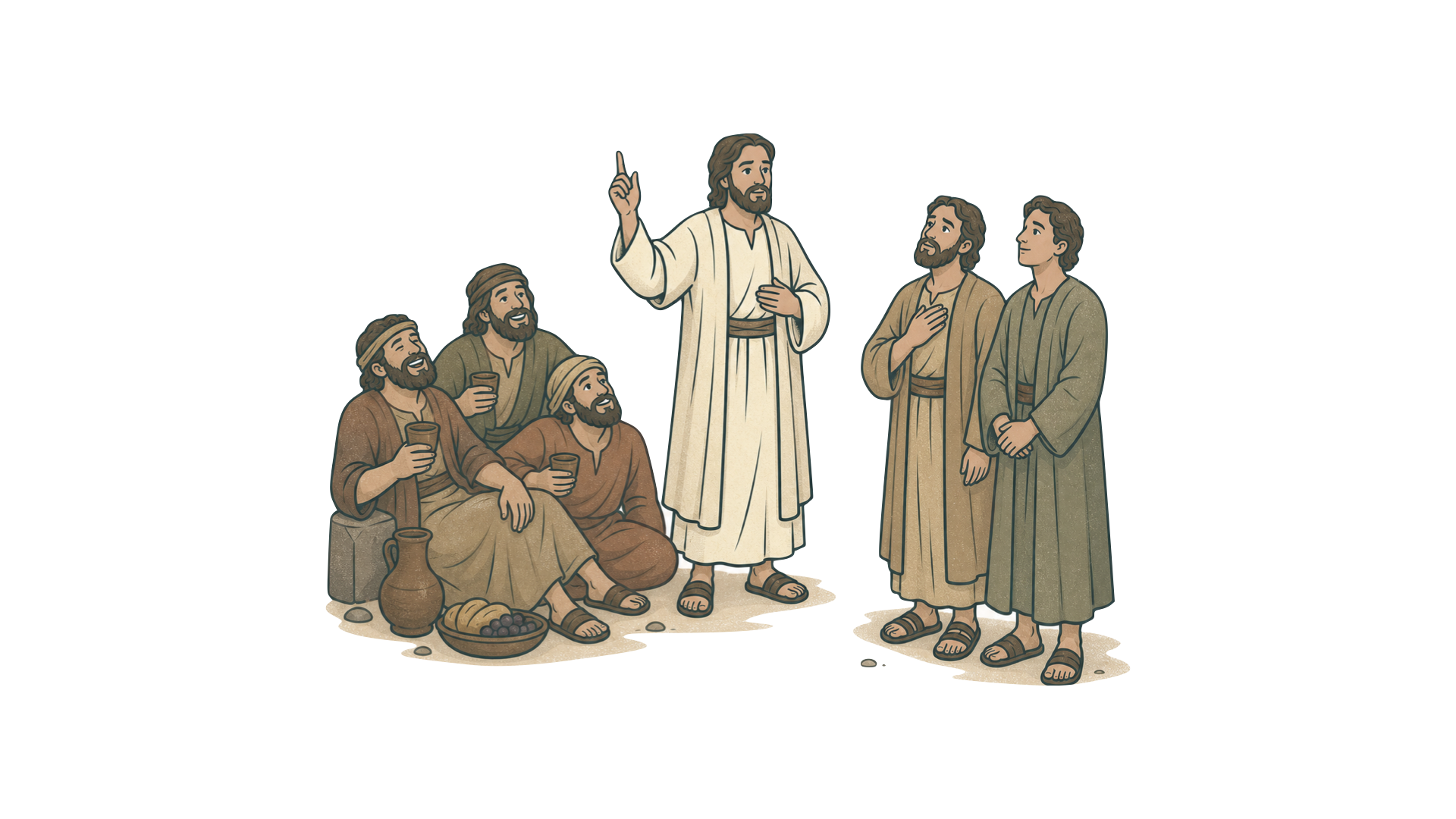
In our study tonight, we read through the first thirty-four verses of 1 Corinthians 15. The passage starts with Paul reminding the Corinthian church of the gospel he preached to them, which they received and by which they are saved (15:1-2). He states clearly that this gospel is of "first importance": that Christ died for our sins, was buried, and was raised on the third day, all according to the scriptures (15:3-4). Paul then lists numerous eyewitnesses to the resurrected Christ, including the apostles, over five hundred brothers, and finally himself, whom he calls the "least of the apostles" (15:5-10). He then pivots to confront their disbelief, questioning how some can say there is no resurrection of the dead (15:12). Paul uses sharp logic to show that if there is no resurrection, then Christ wasn't raised, their faith is worthless, they are still in their sins, and Christians are "of all most to be pitied" (15:13-19). But he declares that Christ has been raised as the "firstfruits," and just as death came through Adam, resurrection comes through Christ (15:20-22). Paul describes a future where Christ reigns until all enemies, including death, are subjected under His feet (15:24-28). He ends this section by questioning the point of their sacrifices if the dead are not raised, concluding with the cynical view they were adopting: "let us eat and drink, for tomorrow we die" (15:32), urging them to stop sinning because "bad company corrupts good morals" (15:33-34).
2. What is God revealing about humanity?
As we discussed, this passage reveals some key truths about our human nature. One club member pointed out that we often labor over temporary things instead of focusing on the eternal picture. Another great point was raised from verse 10: our accomplishments aren't truly our own. Just as Paul said, "yet not I, but the grace of God with me," anything we achieve is through God’s grace working in us, which should humble us. A major theme that emerged from our discussion is the constant and daily struggle against sin. As one participant shared, unless we are "daily dying to our sins," we can become corrupted even within the church. It’s about a conscious, daily choice to follow Jesus and recognize, as one member put it, "I am not king; he is king." Without the gospel lens, humanity defaults to the pattern of Adam—puffing ourselves up, which leads to sin and death (15:21-22).
3. What is God revealing about Himself?
This passage powerfully reveals God's character and plan. The core of the gospel—Christ’s death, burial, and resurrection—shows a God who uses ultimate submission to bring about ultimate exaltation. A key attribute we focused on was His extreme patience; as one member beautifully put it, He understands we won't just "jump from here to there and never ever wind up in the middle." God’s grace is a constant theme, especially highlighted in how Paul talks about his own unworthiness (1 Corinthians 15:9). We also see God as a God of unity and order. As one member noted from verses 27-28, the Godhead itself is the perfect example of submission for the sake of unity. Ultimately, our group concluded that God is the one who has a plan to conquer all His enemies, even the final enemy, death, so that He may be "all in all" (15:26, 28).
4. How should our lives change?
Our discussion led to the conclusion that this passage demands a radical shift in our priorities. If our faith is not based on the reality of the resurrection, then everything we do as Christians is pointless. We need to actively "die daily" to sin, as Paul did (15:31), and stop living as if this life is all there is. A powerful point was made about not "falling asleep" in a spiritual sense; we can get so bogged down with Bible knowledge that we miss the main point. Paul commands the Corinthians to "be sober-minded," which we understood as a call to be spiritually awake (15:34). One member shared that they use their cross necklace as a daily, physical reminder of this commitment. By embracing the truth of the resurrection, our lives should transform from a self-serving "eat and drink, for tomorrow we die" mentality to one of sacrificial service, knowing that our labor in the Lord is not in vain.