“Wait for One Another” (1 Corinthians 11)
1 Corinthians 11
This is a recap of our Bible Caller Club meeting on May 11th, 2026 over this passage. If you want to join the club and attend future meetings and study with us via phone, click here.
Context:
Chapter 11 of 1 Corinthians continues the book's main theme: seeing every part of life through the lens of the gospel. Paul wants the Corinthians to understand that the gospel calls for sacrifice, service, and submission for the good of others, which he applies to issues of head coverings to show submission, and the Lord's Supper to show unity.
1. What’s happening in this passage?
In our study tonight, we saw two main sections. First, Paul addresses head coverings as a cultural symbol of authority and order, anchoring it in a theology of Christ’s headship, mutual dependence of men and women, and God’s design for unity (1 Cor 11:1–16). Paul’s point is not the garment itself but the principle it represented in Corinth: humble submission within God’s ordered plan, expressed in culturally intelligible ways (v. 3, v. 10, vv. 11–12). As one club member pointed out, Paul expects believers to consider how their practices affect their witness in their culture, without confusing cultural signs with ultimate value.
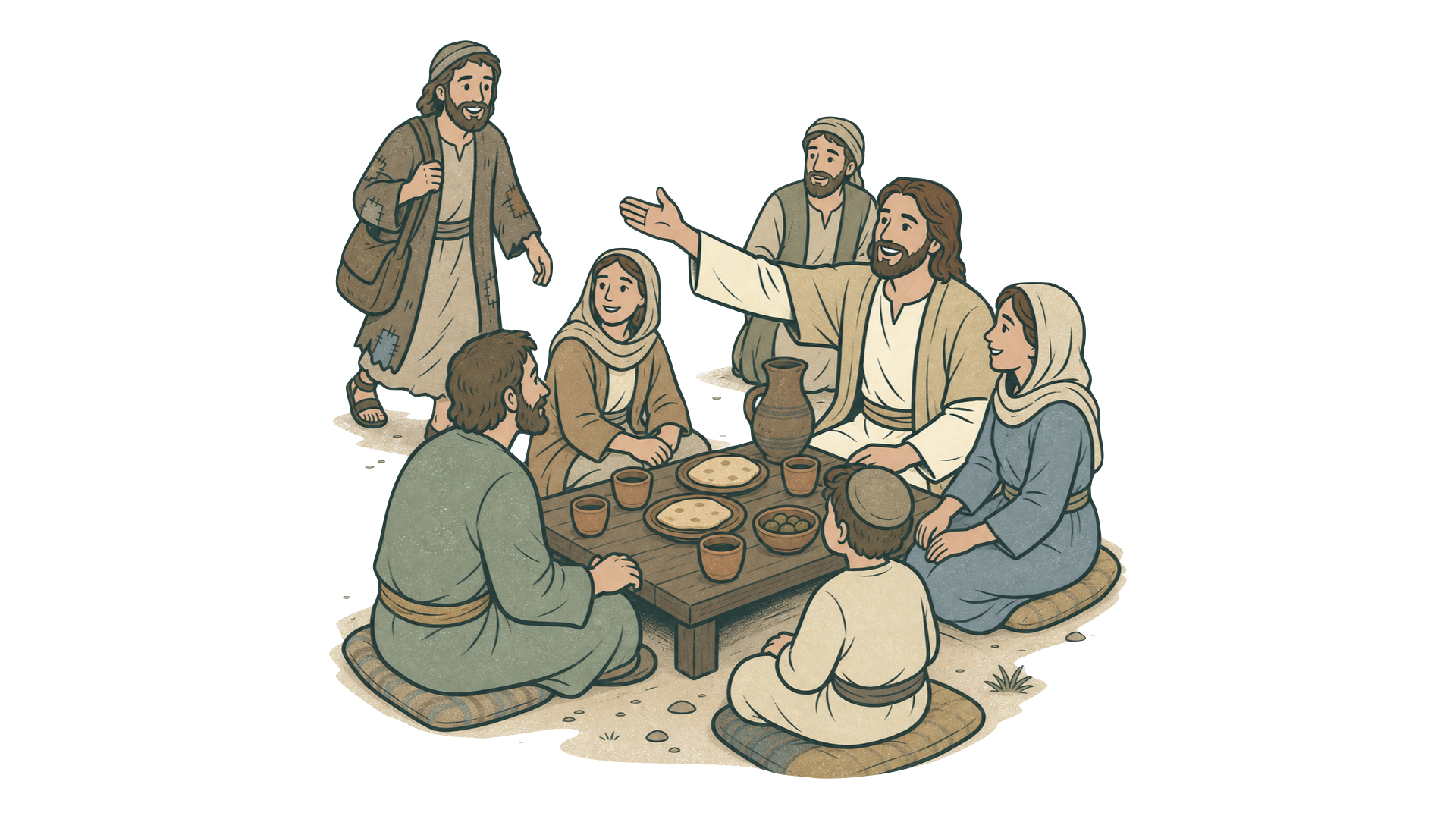
Second, Paul rebukes the church for abusing the Lord’s Supper by rushing ahead, creating division, and neglecting the needs of others (1 Cor 11:17–34). We noted that Paul contrasts self-centered feasting with Jesus’ self-giving: “This is my body…This cup is the new covenant…”—a pattern of sacrificial love (vv. 23–26). We emphasized that “eating and drinking in an unworthy manner” means failing to “discern the body” rightly (v. 29), which in context points to recognizing and caring for the church—the body of Christ—rather than turning communion into a private, status-enhancing meal (vv. 20–22, 27–32). Paul’s concrete remedy is simple and profound: wait for one another (v. 33), and if you’re just hungry, eat at home (v. 34).
2. What is God revealing about humanity?
As our group discussed, God exposes our fallen tendencies: we reach for authority, status, and comfort rather than service. Katie shared that humanity is selfish; in Corinth, people chose personal benefit over their fellow believers (1 Cor 11:20–22). Elijah added that we not only grasp for authority (vv. 3, 8–10) but also hoard what is best, even at the Lord’s Table, creating factions that reveal the difference between those who submit to Christ’s way and those who push their own (vv. 18–19). Matt reflected on how pride and the desire to elevate ourselves can quietly shape public worship. In our study tonight, we recognized that these dynamics live in all of us, and that they inevitably breed division if they aren’t confronted by the gospel’s call to humility.
3. What is God revealing about Himself?
Our club saw that God reveals a beautiful pattern of order, unity, and self-giving love. We noted that God establishes authority in a way that invites mutual dependence and honor, not superiority (1 Cor 11:3, 11–12). Katie highlighted that God desires unity—among husbands and wives, and within the church gathered at the Table (vv. 11–12, 17–22, 33). As one club member pointed out, in the Supper God reminds us of Jesus’ posture: He sat down, gave Himself, and included even the one who would betray Him (cf. John 13; 1 Cor 11:23–26). God disciplines His people not to condemn them but to bring them back into alignment with the way of Christ (1 Cor 11:32). In our study tonight, we marveled that God’s authority is always aimed at love, unity, and the flourishing of His people under Christ.
4. How should our lives change?
Our group moved from insight to action. Katie suggested that each of us look within our congregations this week for someone we can pray for or tangibly help, and to tell them we’re doing it—so we actively “wait for one another” (1 Cor 11:33). One member shared honestly about sometimes feeling like a “black sheep,” reminding us that humility, honor, and selflessness are essential if we want to bridge divisions. We pointed out that Jesus washed Judas’ feet and called him “friend,” inviting us to include those on the fringe and to give people every chance to be drawn into Christ’s love (cf. 1 Cor 11:23–26; John 13). In our study tonight, we agreed to practice the gospel’s rhythm—sacrifice, service, and submission—in concrete ways: consider our witness in cultural practices (1 Cor 11:10, 16), discern the body by seeing and serving our brothers and sisters (1 Cor 11:29), and wait for one another rather than moving forward in selfishness (1 Cor 11:33–34).