

Answer The Call
The Bible Caller Club Meeting Notes Blog
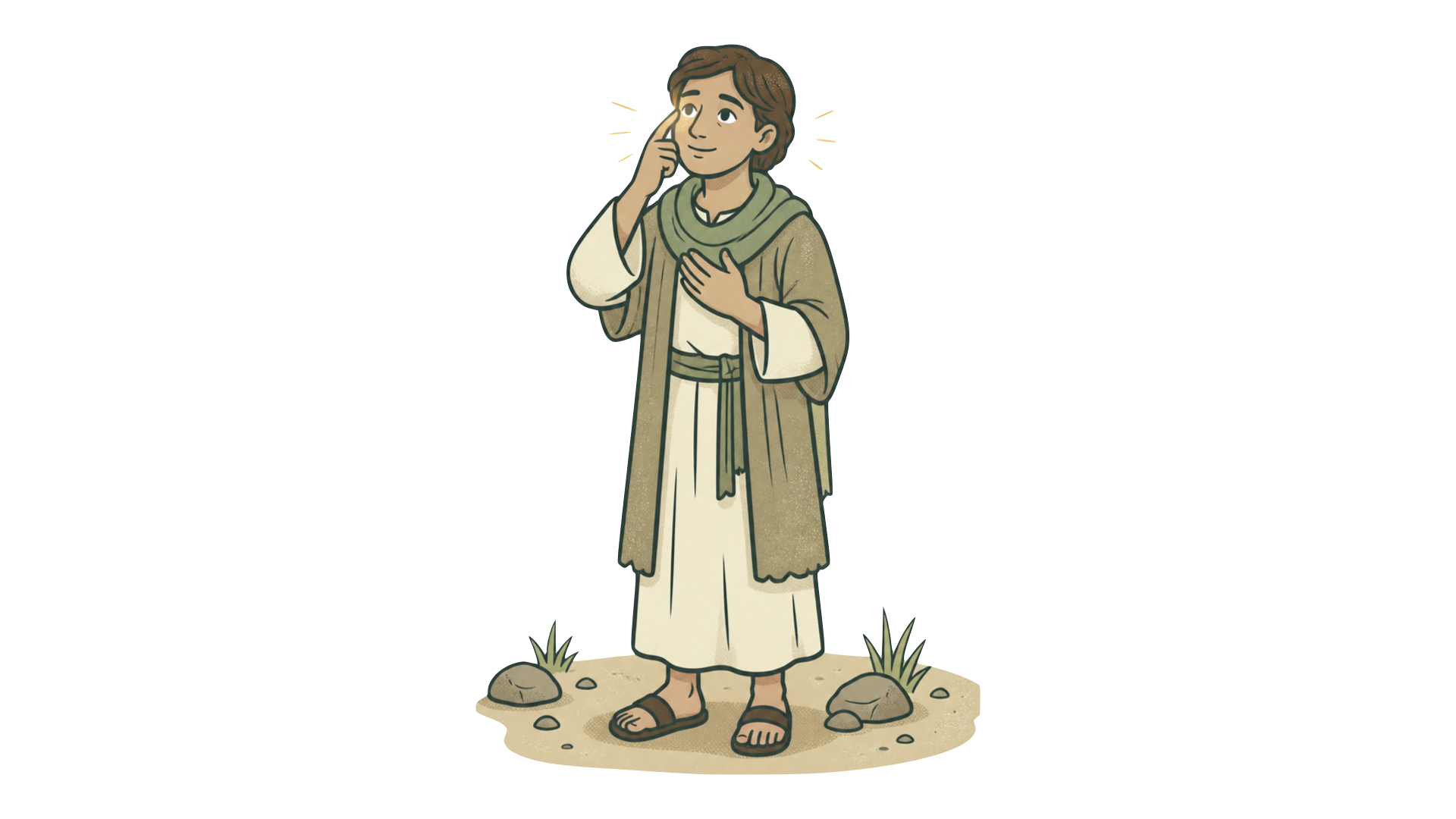
Eyes Of Your Hearts Enlightened (Ephesians 1)
In our study tonight, we began the book of Ephesians. We learned that the Apostle Paul wrote this letter from a Roman prison between 60 and 62 AD to the church in Ephesus, a pagan city dominated by the worship of Artemis. This letter was written to address a unity problem between Jewish and Gentile believers, two very different groups coming together, with the first three chapters focusing on the grace of God that saves them, and the last three chapters focusing on how they should respond to that grace by showing grace to one another.
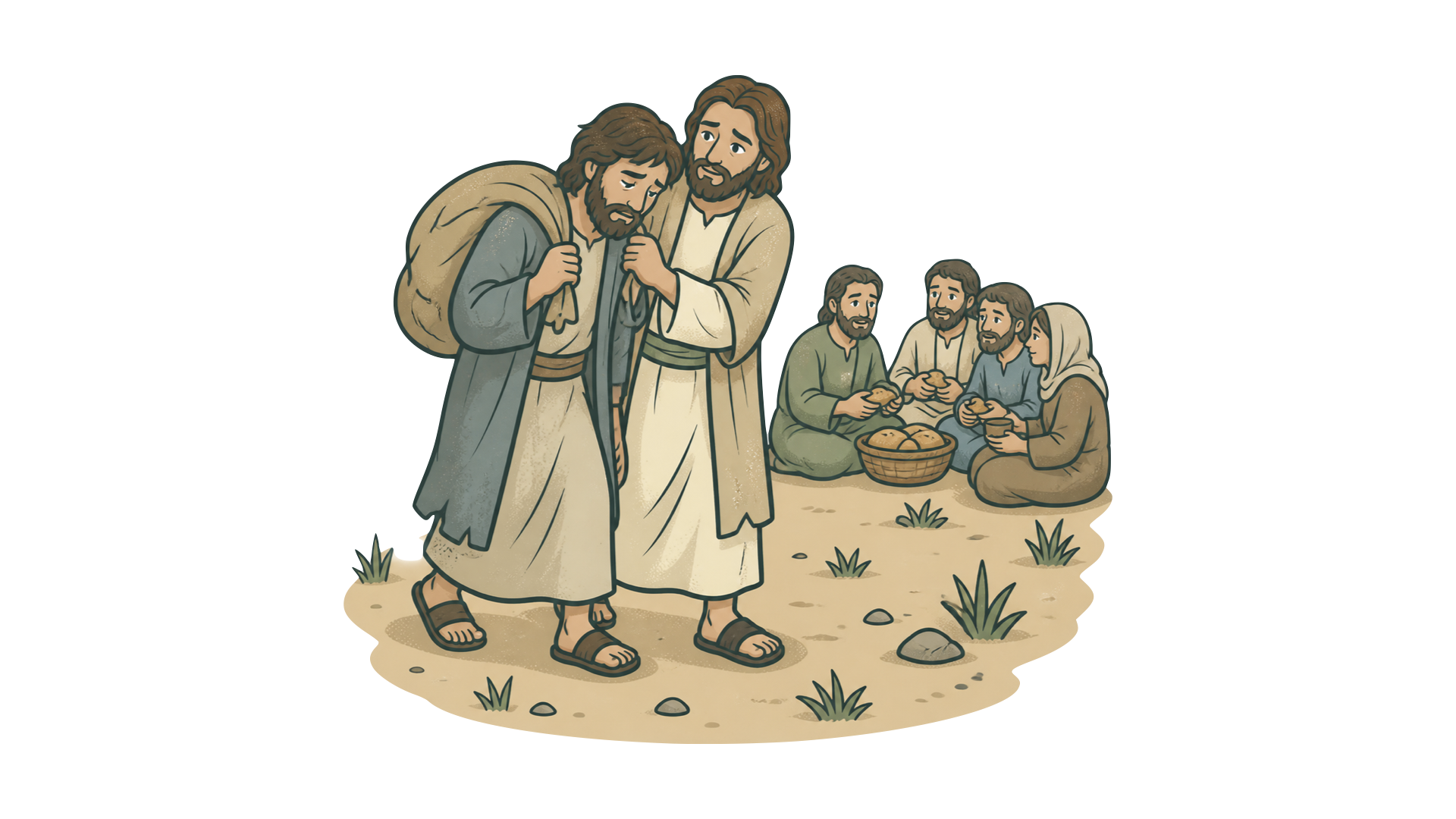
Bear One Another's Burdens (Galatians 6)
In our study on Saturday, June 8th, 2026, we finished the book of Galatians. The overall context is that the Galatian church was abandoning the true gospel of justification by faith in Jesus and instead adopting a false gospel that required circumcision and works of the law for salvation (Gal. 1:6, 5:2). This passage, chapter six, flows directly from chapter five's command to "walk in step with the spirit" and serves as a practical conclusion, explaining what living by the Spirit looks like in community.
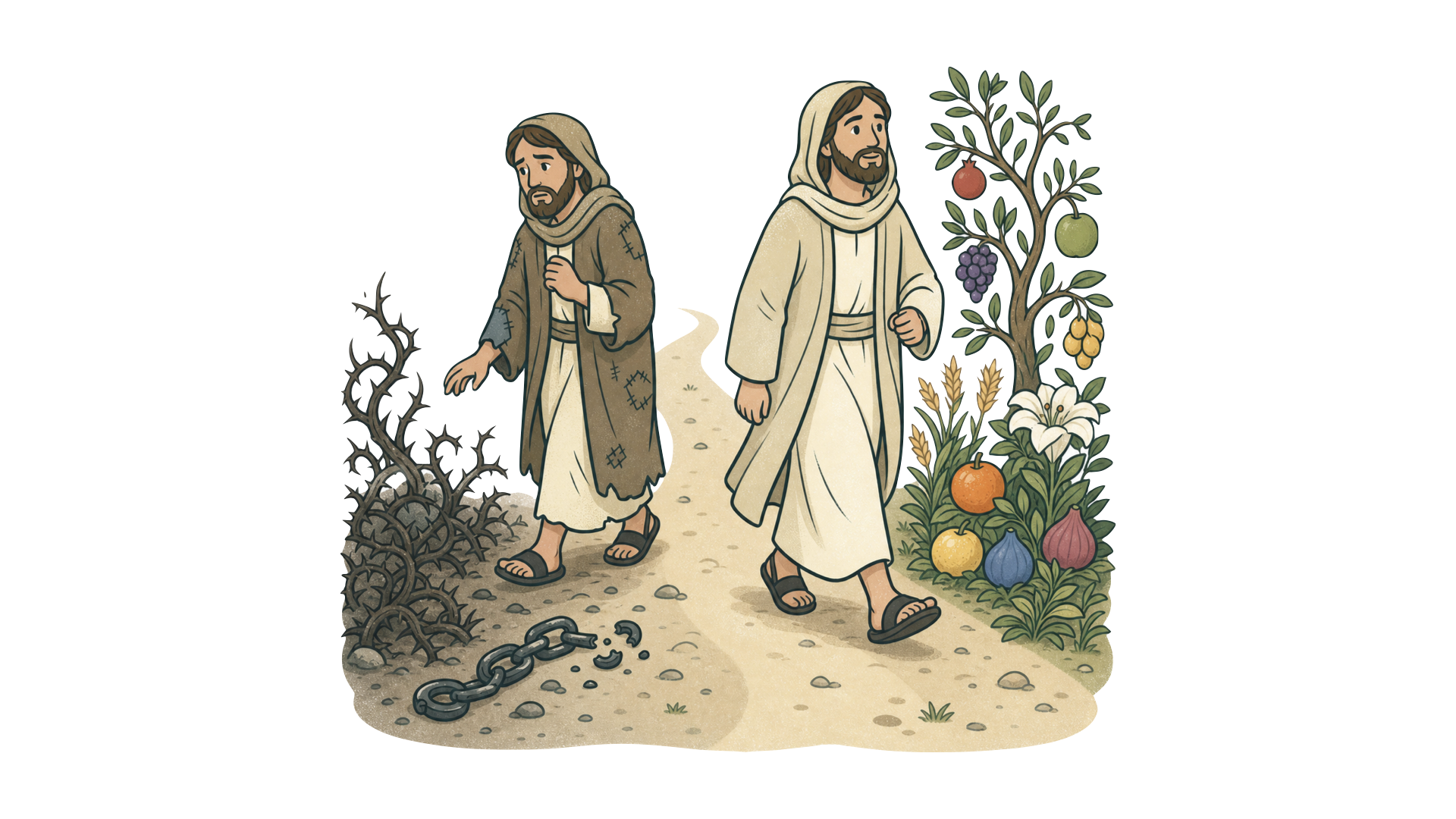
The Fruit Of The Spirit (Galatians 5)
In our Bible study on June 7th, 2026, we continued our journey through the book of Galatians. In the previous chapters, Paul had been addressing the Galatians who were deserting the true gospel for a false one, which taught that justification came through works of the law, specifically circumcision, rather than by faith in Jesus Christ (Galatians 2:16). Paul has already compared living by faith to being children of the free woman, Sarah, and living by the law to being children of the slave woman, Hagar, urging them to embrace their freedom.
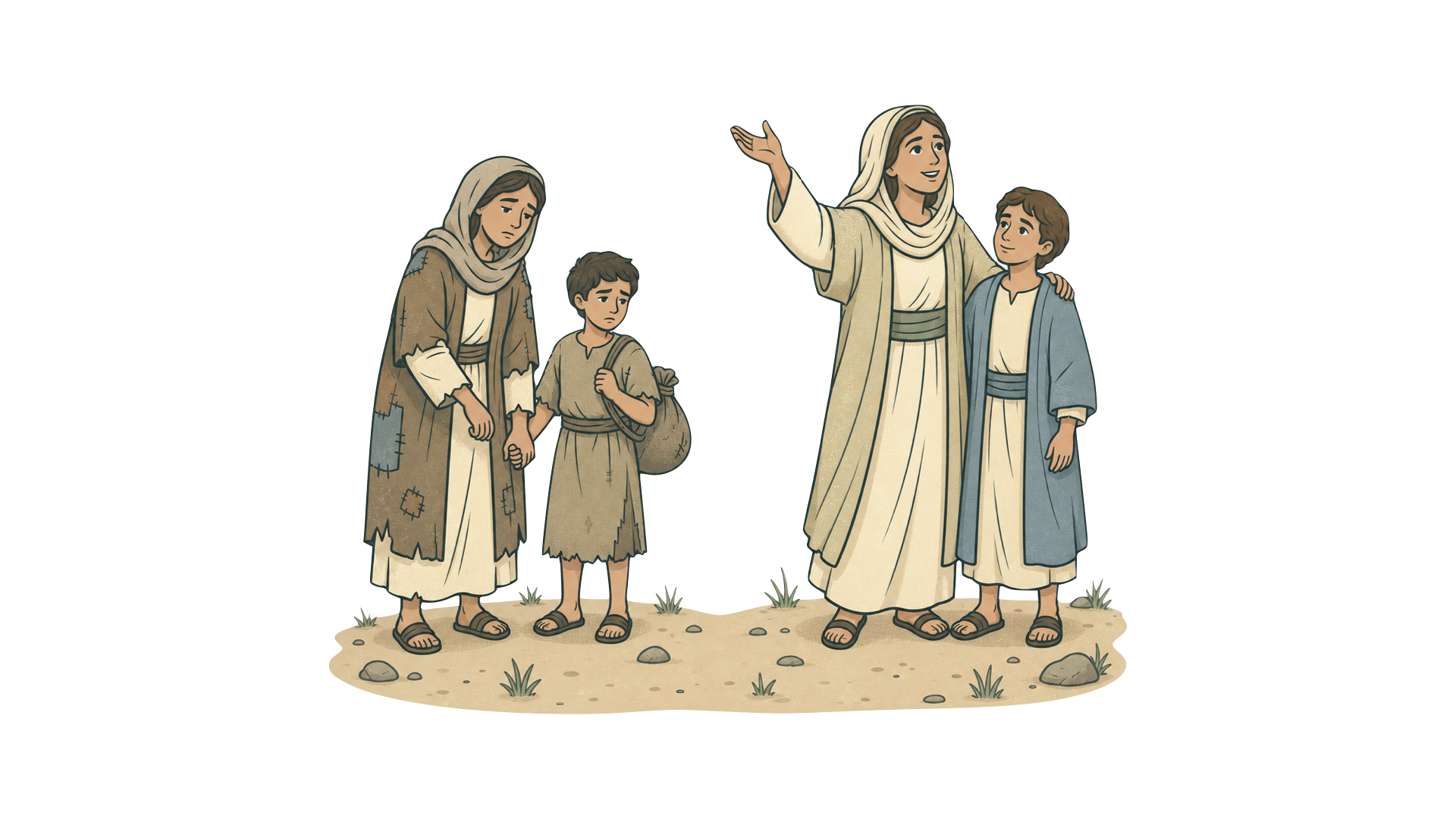
Children Of The Free Woman (Galatians 4:19-31)
As a quick recap from our study on Saturday, June 6, 2026, the apostle Paul has been writing to the Galatian churches because they were being misled by false teachers. These teachers, called "the party of the circumcision," were insisting that Gentile Christians had to obey the Old Testament law, including circumcision, to be saved, which Paul calls a false gospel. Paul's main point throughout the book is that we are justified by faith in Jesus Christ, not by works of the law (Galatians 2:16).
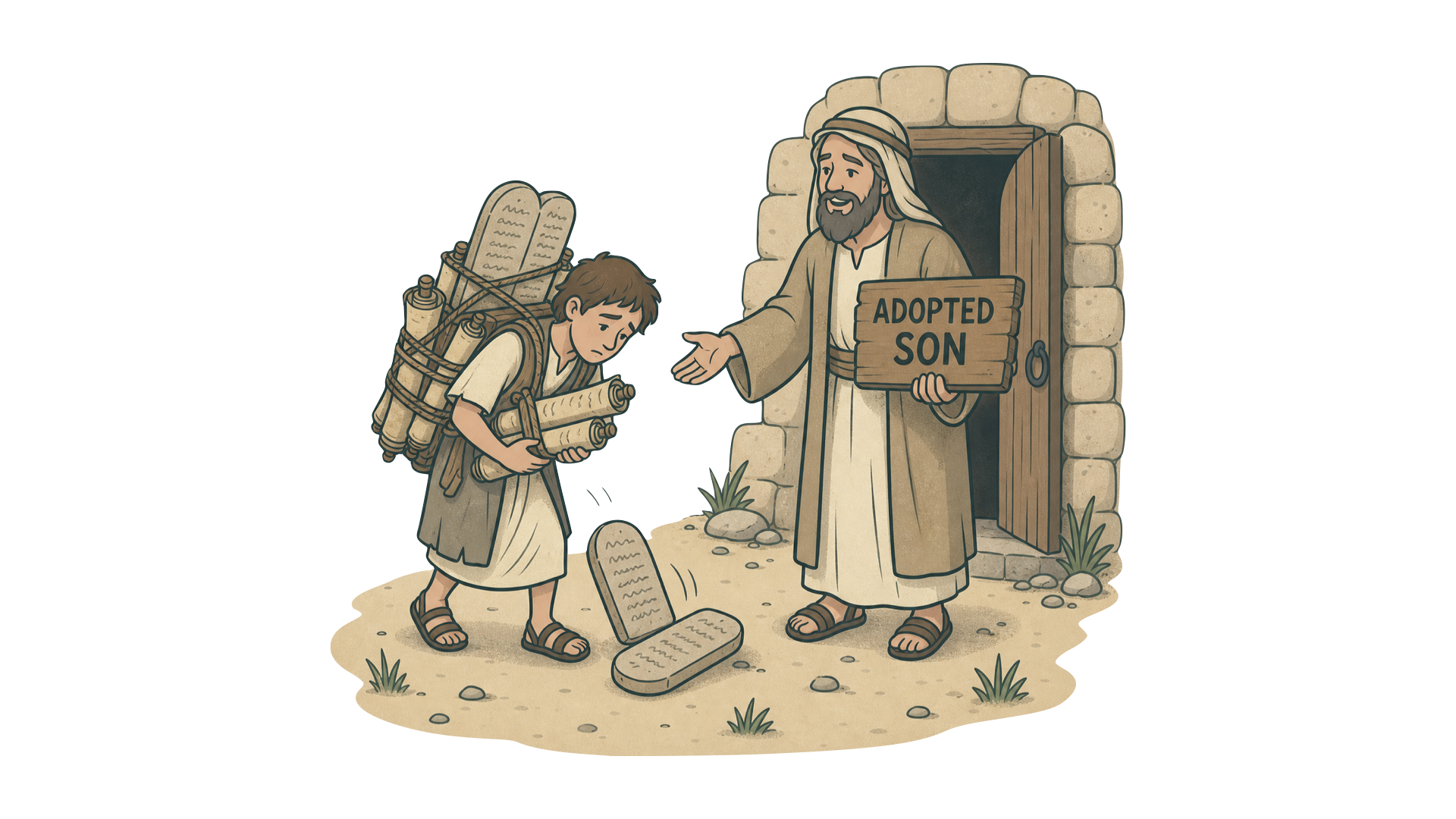
Weak And Worthless Elemental Things (Galatians 4:1-20)
In our study tonight, we picked up in Galatians chapter 4. As a reminder of what's been happening in the book, Paul is astonished that the Galatian believers are so quickly deserting the gospel of grace for a different one (Galatians 1:6). This "different gospel" was brought in by false teachers who insisted that believers must first obey the Old Testament law, including circumcision and observing special days, to be saved. Paul's main argument, stated in chapter 2 verse 16, is that a person is justified by faith in Christ, not by the works of the law.
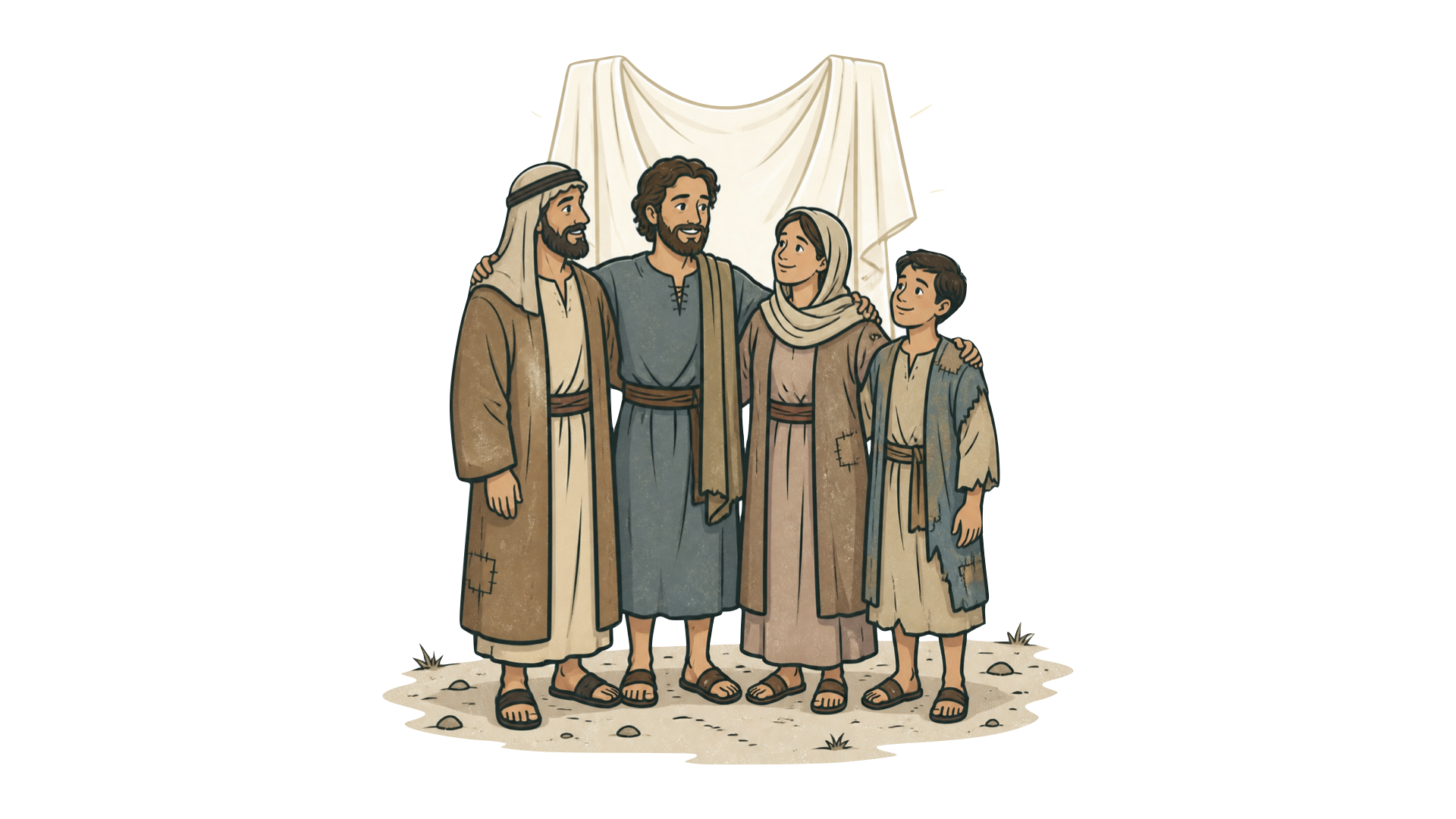
Clothed With Christ (Galatians 3)
On the evening of June 4, 2026, our group gathered to study Galatians chapter three. Paul is writing this letter because the Galatian believers were being led astray by false teachers who insisted that Gentile Christians had to follow Old Testament laws, like circumcision, to be saved, when Paul's main point is that people are justified by faith in Jesus, not by works of the law (Galatians 2:16, 21).
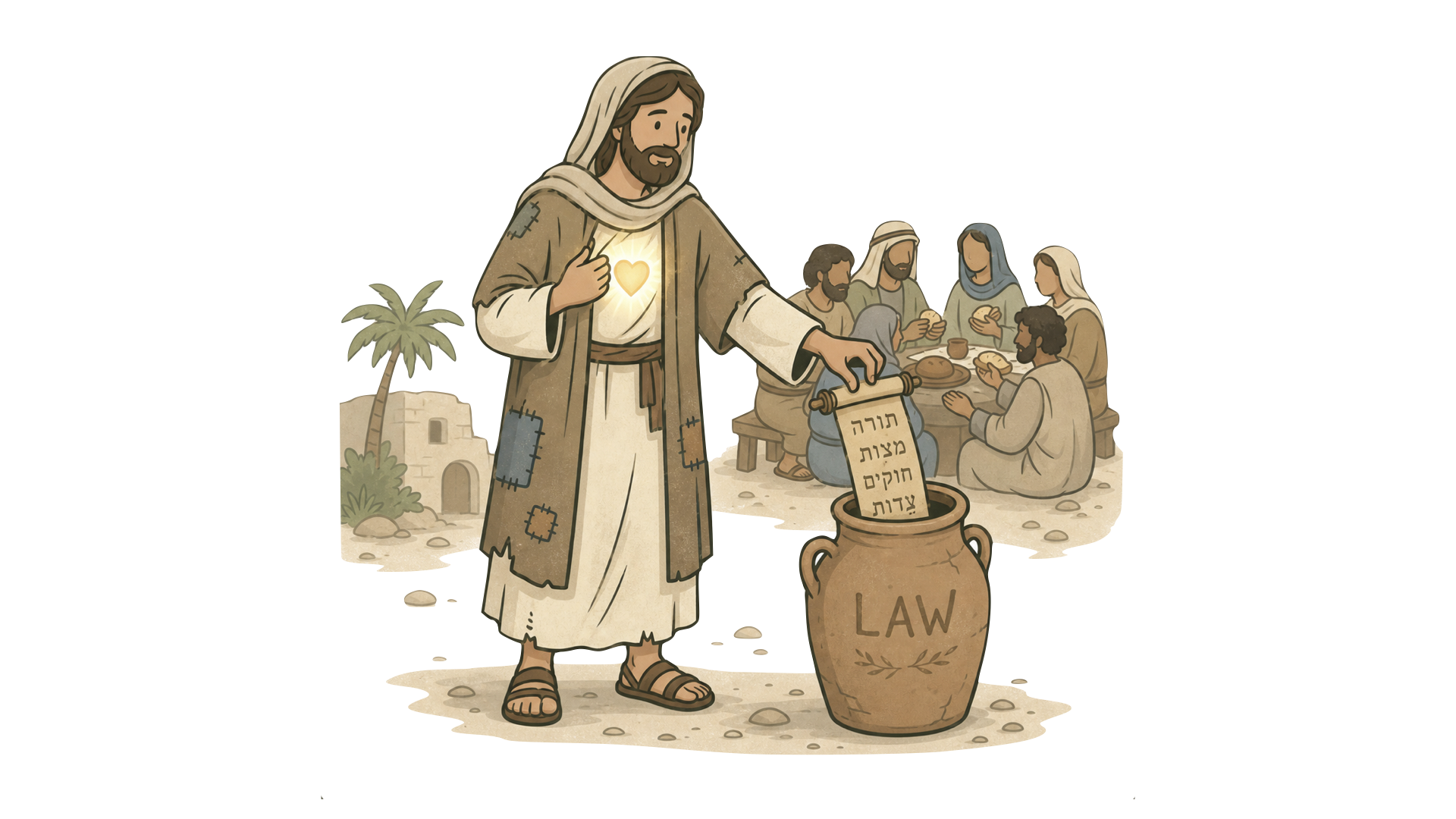
I Have Been Crucified with Christ (Galatians 2)
In our study tonight, we picked up in Galatians chapter 2. We were reminded of our last session that in chapter 1, Paul established the problem of a false gospel creeping into the church and shared his own conversion story. Now, in chapter 2, he confronts this false teaching head-on, explaining that the Galatians, like him, should let go of the old law and embrace the newness of faith in Jesus.
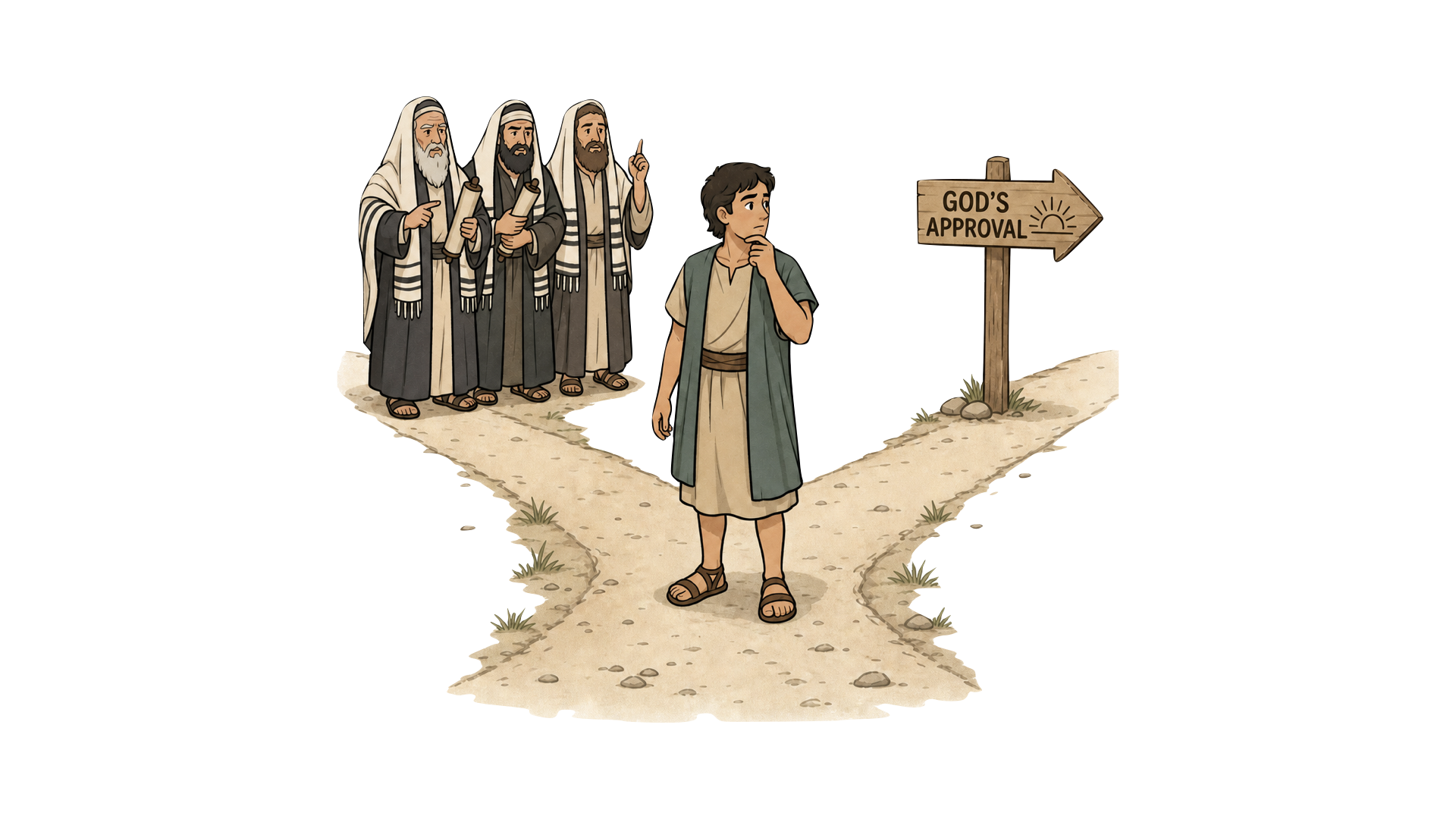
Am I Seeking the Approval of Man, or of God? (Galatians 1)
As we began our new study on Monday, June 1, 2026, we learned that Paul wrote this letter to the Gentile Christians in Galatia to correct a false teaching. Jewish Christians had come into the area, teaching that to be truly right with God, the Gentiles needed to follow the old law, including circumcision, but Paul wrote to defend the true gospel message: justification is through faith in Jesus Christ alone, not by works of the law.
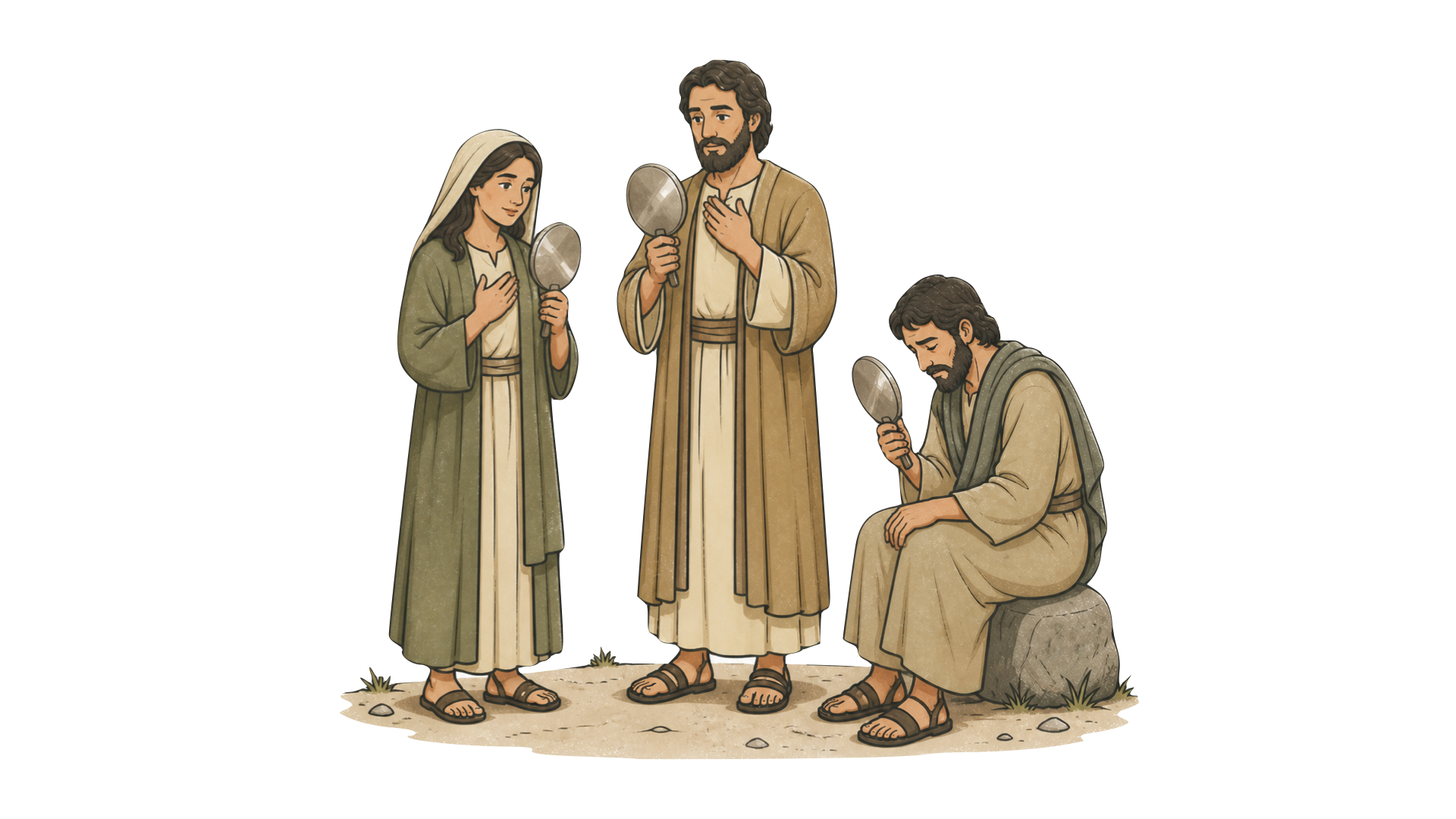
Test Yourselves to See if You Are in the Faith (2 Corinthians 13)
In our Bible study on the night of May 31, 2026, we concluded our journey through the book of 2 Corinthians. As was pointed out, the apostle Paul has spent the entire book defending his authority and apostleship against the Corinthian church's doubts, all leading up to this final, passionate plea for them to repent before his third visit.
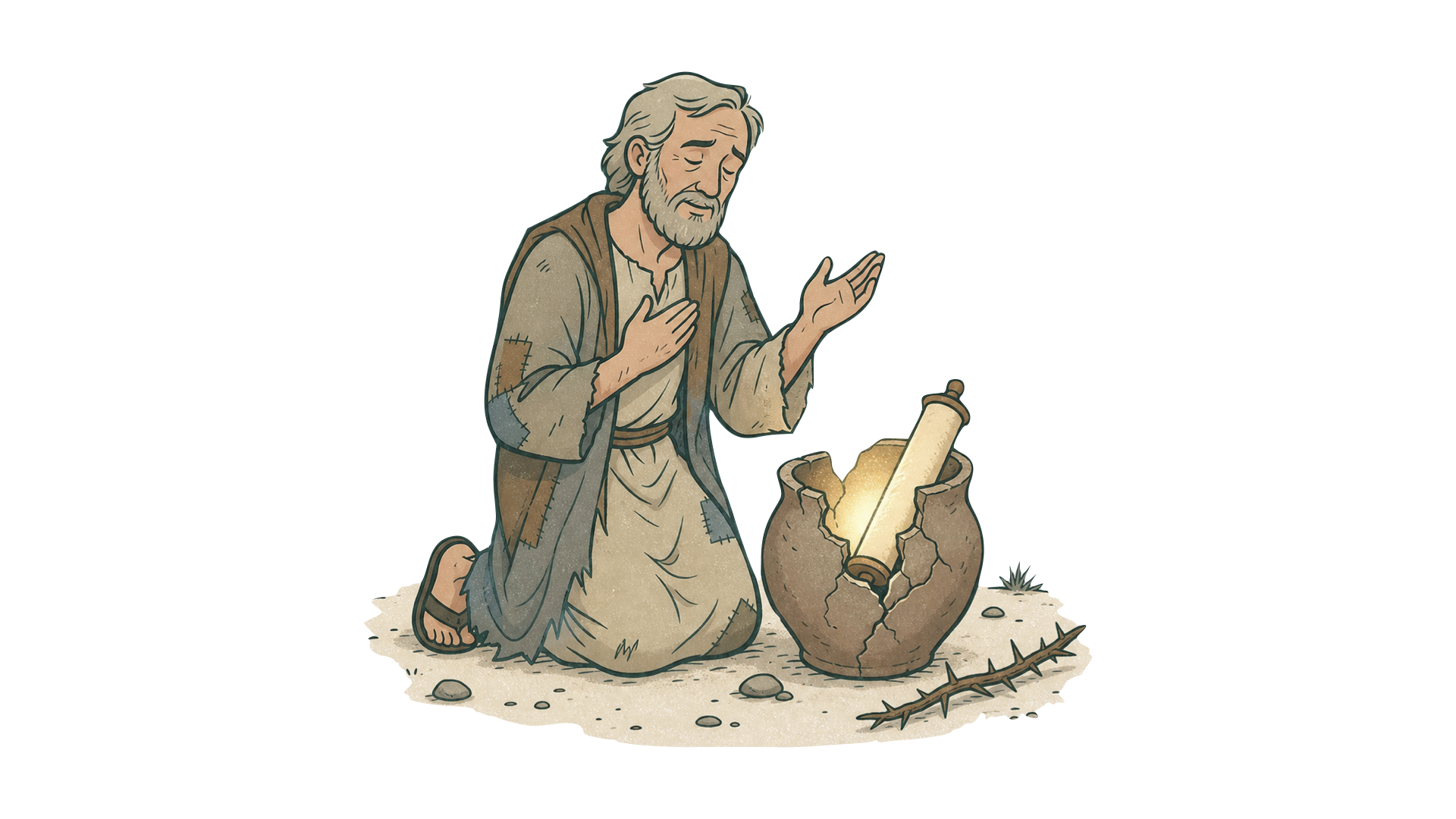
My Grace Is Sufficient for You (2 Corinthians 12)
In our Bible study on May 30, 2026, we saw how Paul's relationship with the Corinthian church is strained; they found him unimpressive in person and were questioning his apostolic authority. As we entered chapter 12, the group noted that this is where Paul seems his most raw and emotional, concluding his argument against the "super-apostles" who boasted in their own strength.
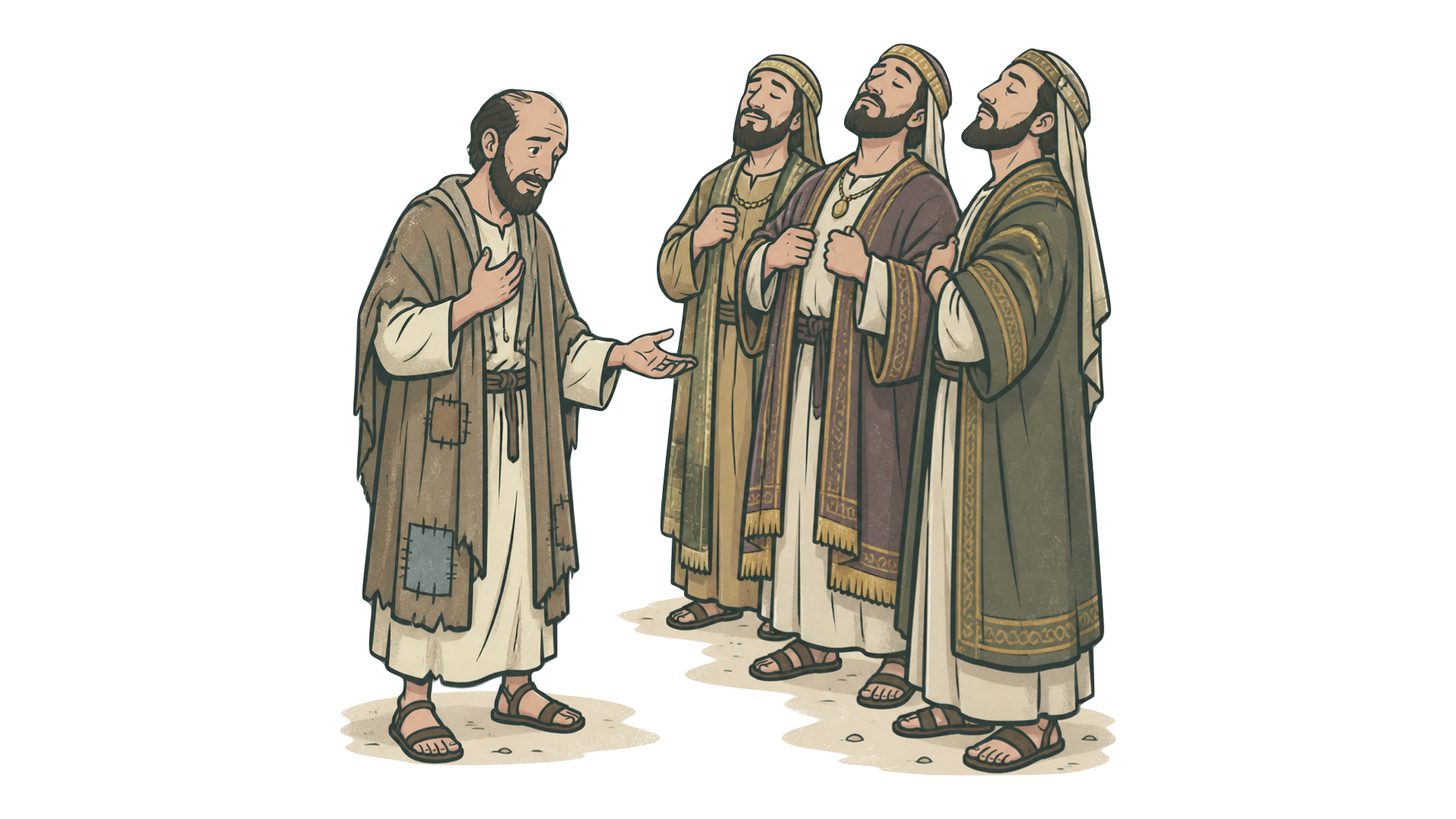
Boast In Weakness (2 Corinthians 11)
In our study on May 29, 2026, we continued our journey through 2 Corinthians. This passage follows Paul's defense of his authority in chapter 10, where the Corinthian church, influenced by a worldly mindset, valued fleshly accomplishment and self-promotion. Paul is now defending his very apostleship against false apostles, contrasting their self-glorification with the true gospel of sacrifice, service, and submission.
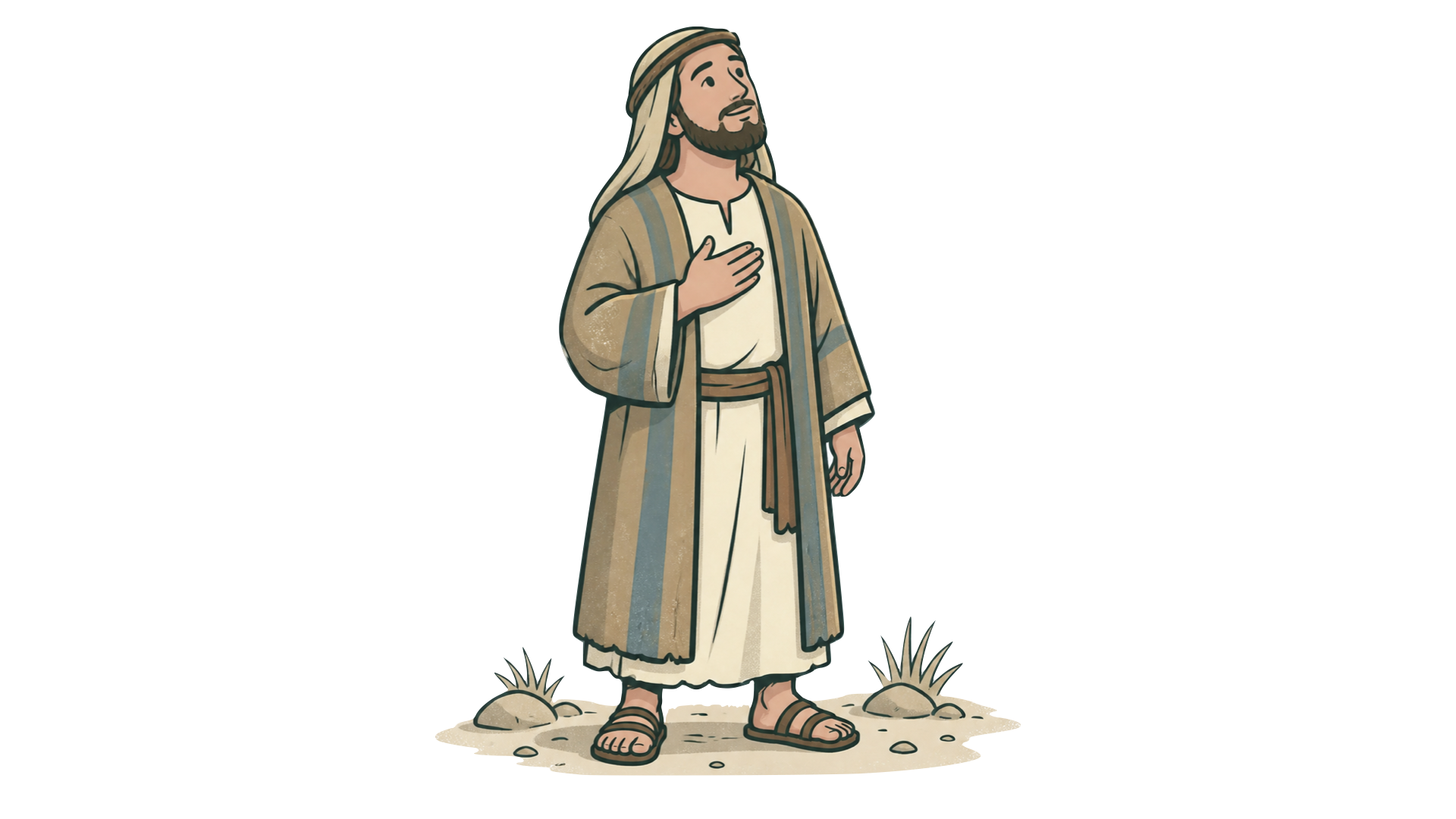
He Who Boasts Is to Boast in the Lord (2 Corinthians 9-10)
In our study on May 28, 2026, we covered two chapters. In the previous section of the book, Paul had been encouraging the Corinthian church. In these chapters, he continues that encouragement regarding a financial contribution they promised, but then he transitions to defending his ministry against criticisms from within the church.
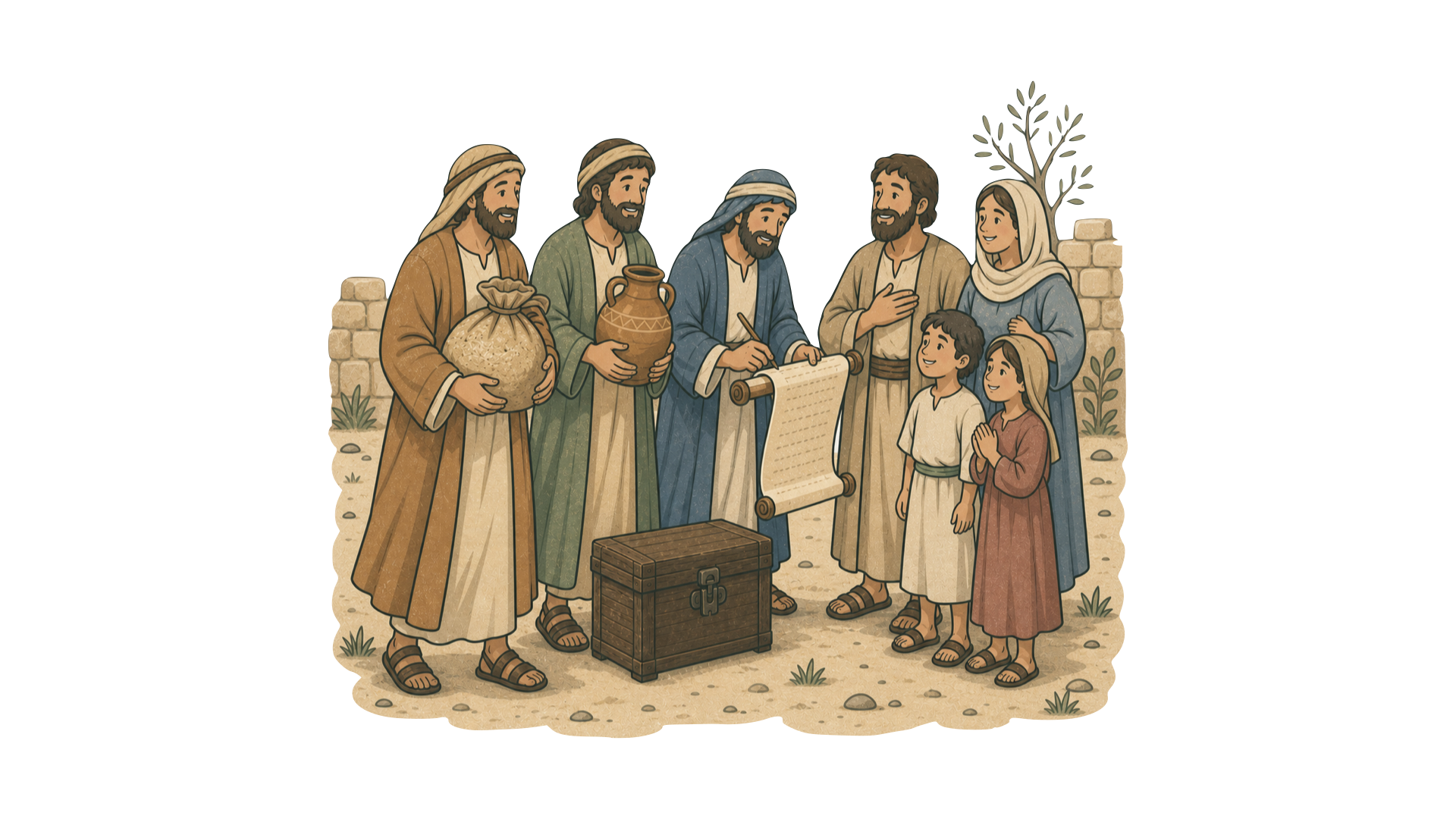
Show Them the Proof of Your Love (2 Corinthians 8)
As we reviewed in our meeting on May 26, 2026, Paul is writing this letter after a previous "painful visit" to Corinth. He is defending his apostleship, which is one of weakness and frailty, so that God's power might be revealed, but some in Corinth were struggling to accept this. After receiving an encouraging report from Titus that the church was showing godly sorrow and repentance (chapter 7), Paul now feels able to address the practical matter of a financial collection for other believers in need, a task they had started a year prior.
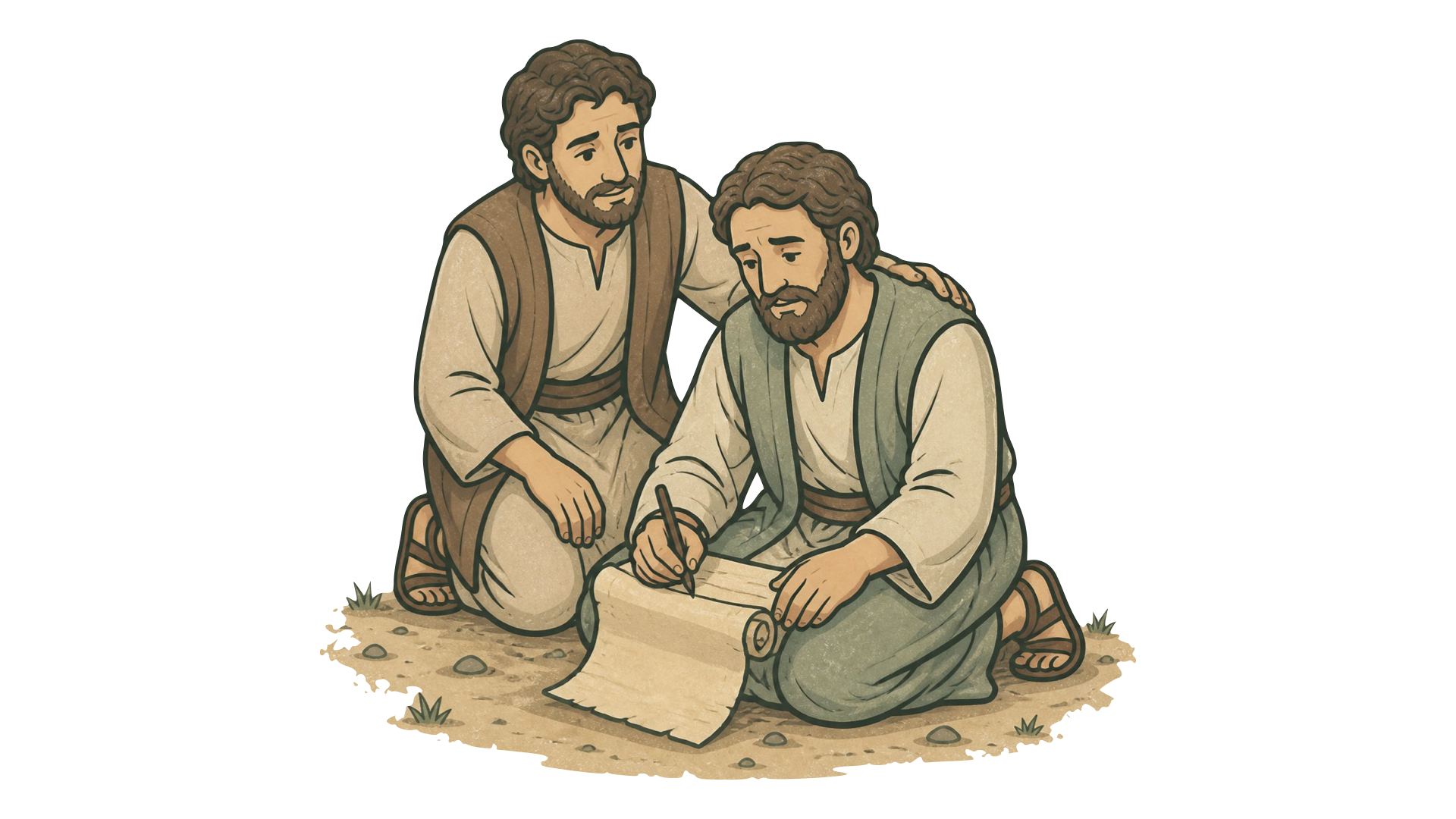
God, Who Comforts the Humbled (2 Corinthians 7)
As explained in our study on May 25, 2026, Paul is writing this second letter to the Corinthian church to defend his apostleship. They had judged him based on his physical presence, considering him weak and his speech contemptible (2 Corinthians 10:10). Paul is trying to get them to see life through the lens of the gospel, which is about weakness highlighting God's power, sacrifice, and service. This passage follows a section where Paul urged them not to be unequally yoked with unbelievers because they are God's temple.

Do Not Be Unequally Yoked (2 Corinthians 6)
In our Bible study on May 24, 2026, we first reviewed the setup for this chapter. The Apostle Paul is writing his second letter to the church in Corinth to correct their thinking, as they were viewing him as weak and his speech as "contemptible" (2 Corinthians 10:10). Paul's overall message is that true greatness is found not in self-exaltation but in humble service and submission, even through affliction, so that God can be glorified.
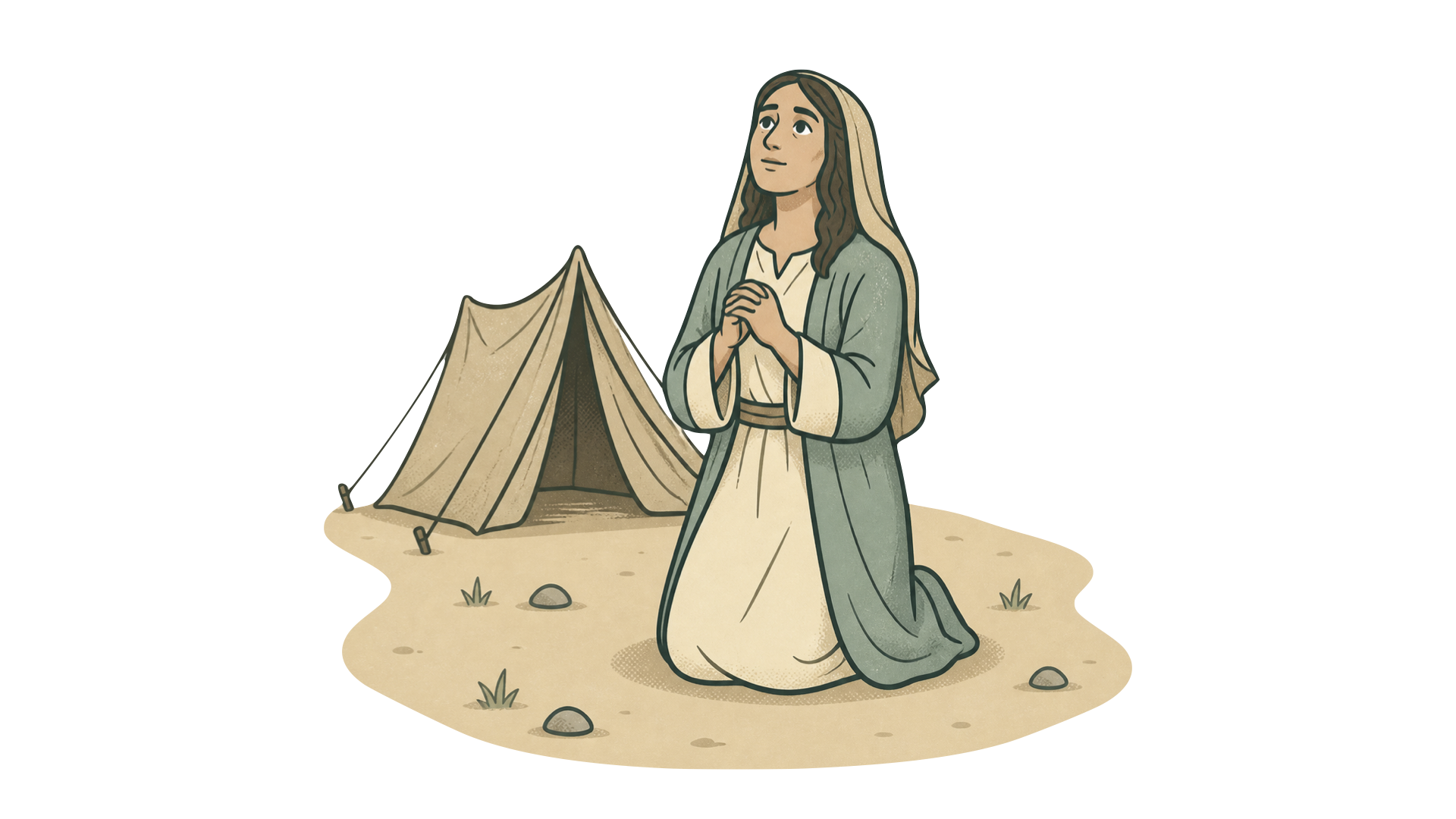
Absent From The Body, At Home With The Lord (2 Corinthians 5)
As our study noted on the evening of May 23, 2026, this letter was written by the apostle Paul after a "painful visit" to the church in Corinth. Many in the church were rejecting his message of sacrifice and service, viewing him as weak and his words as "contemptible" (2 Corinthians 10:10), instead prizing self-exaltation and status. Paul is writing to correct this thinking, explaining that true strength is found in weakness so that God can be glorified.
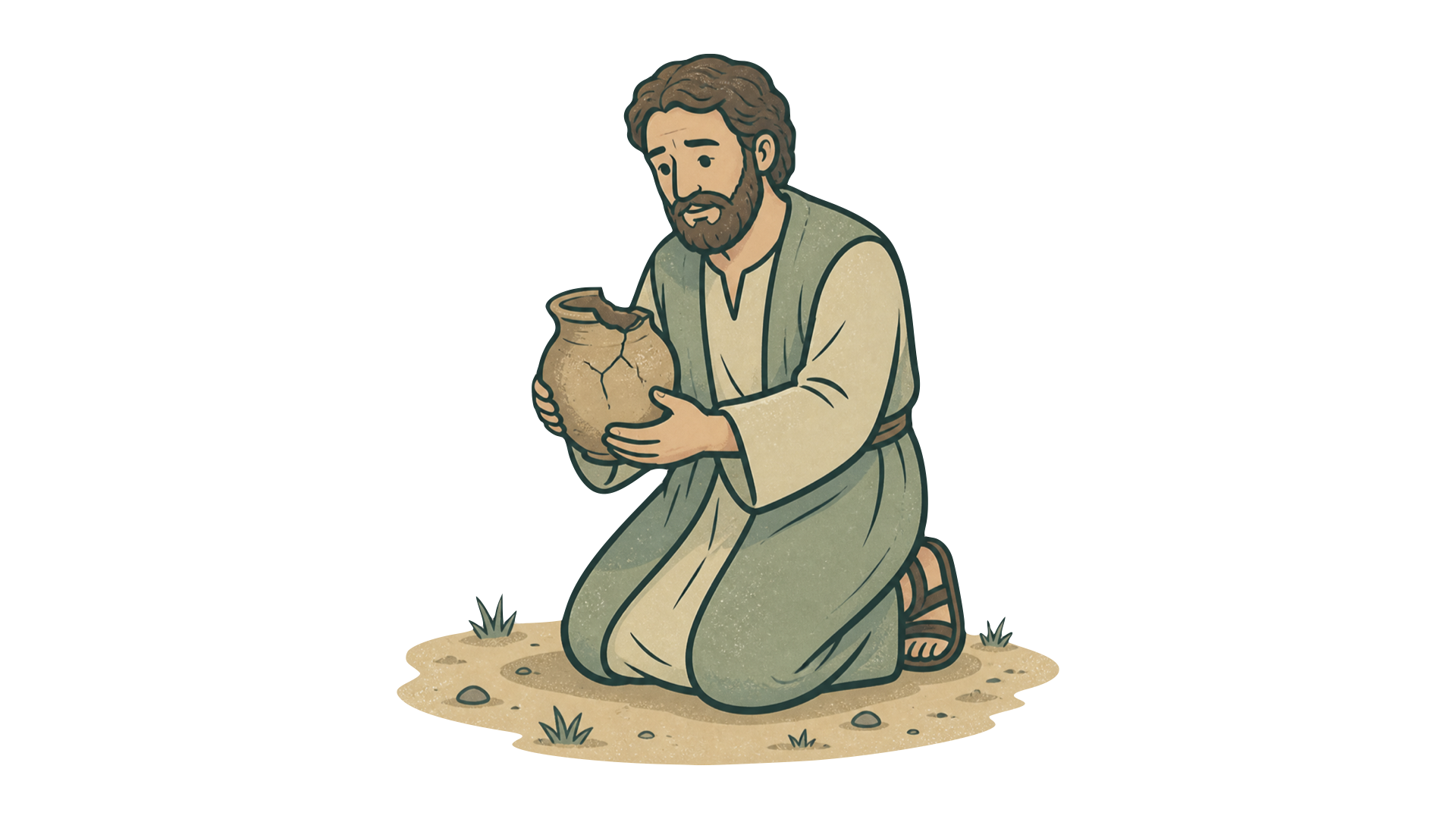
We Have This Treasure in Earthen Vessels (2 Corinthians 4)
In our study on May 22, 2026, we continued in the book of 2 Corinthians. The group saw that this section continues Paul's defense of his ministry to the Corinthian church, where his emphasis is on how the glory of the gospel is revealed through suffering and weakness, not through worldly strength.
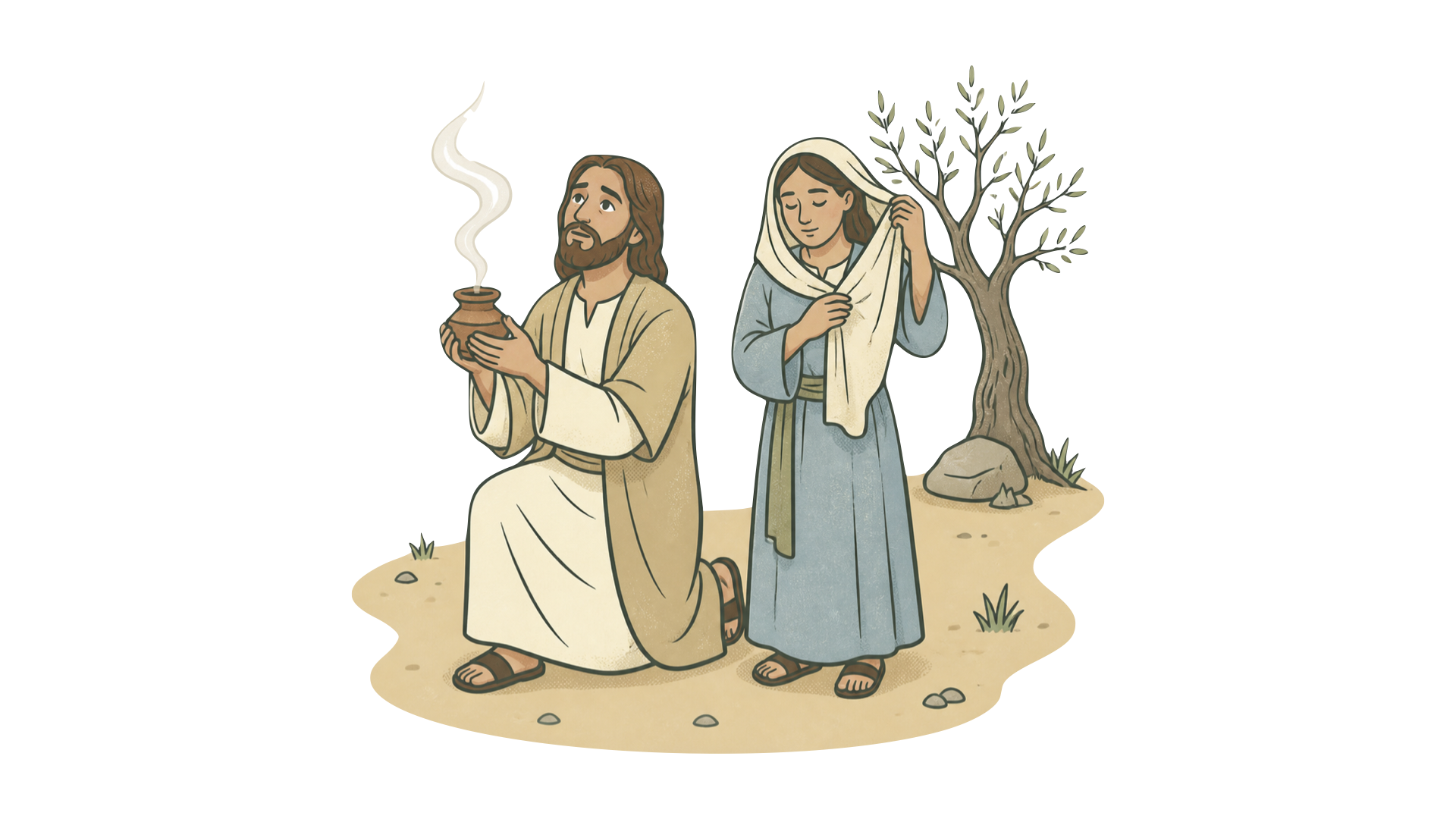
A Fragrance of Christ to God (2 Corinthians 2:5-3:18)
As was explained at the beginning of our study on May 21, 2026, the Apostle Paul is writing this second letter to the church in Corinth after a "painful visit" to defend his apostleship. The influential leaders were still rejecting Paul, calling his presence "weak" and his words "contemptible" (2 Corinthians 10:10), so Paul argues that true strength in God's kingdom is found in weakness, suffering, and sacrifice, much like the gospel itself.
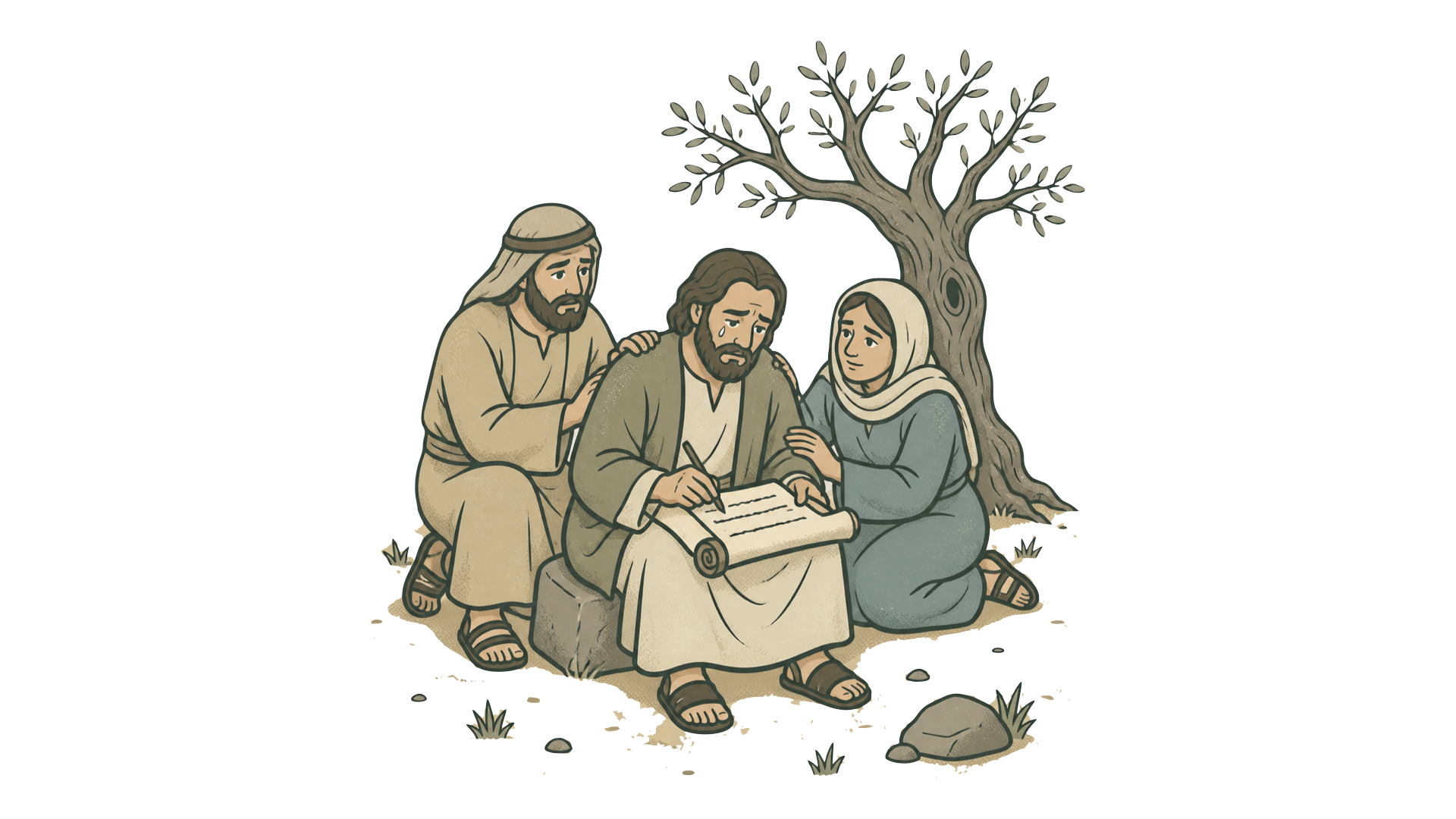
God Of All Comfort (2 Corinthians 1:1-2:4)
In our study on Tuesday, May 19, 2026, we began the book of Second Corinthians. As explained in the meeting, this letter was written about a year after First Corinthians, after Paul had made a "sorrowful" visit because the church had only "partially understood" his first letter and were now attacking him personally. Paul wrote this second, more personal and emotional letter to defend his ministry and the nature of the gospel, addressing their partial repentance and the lingering problems.
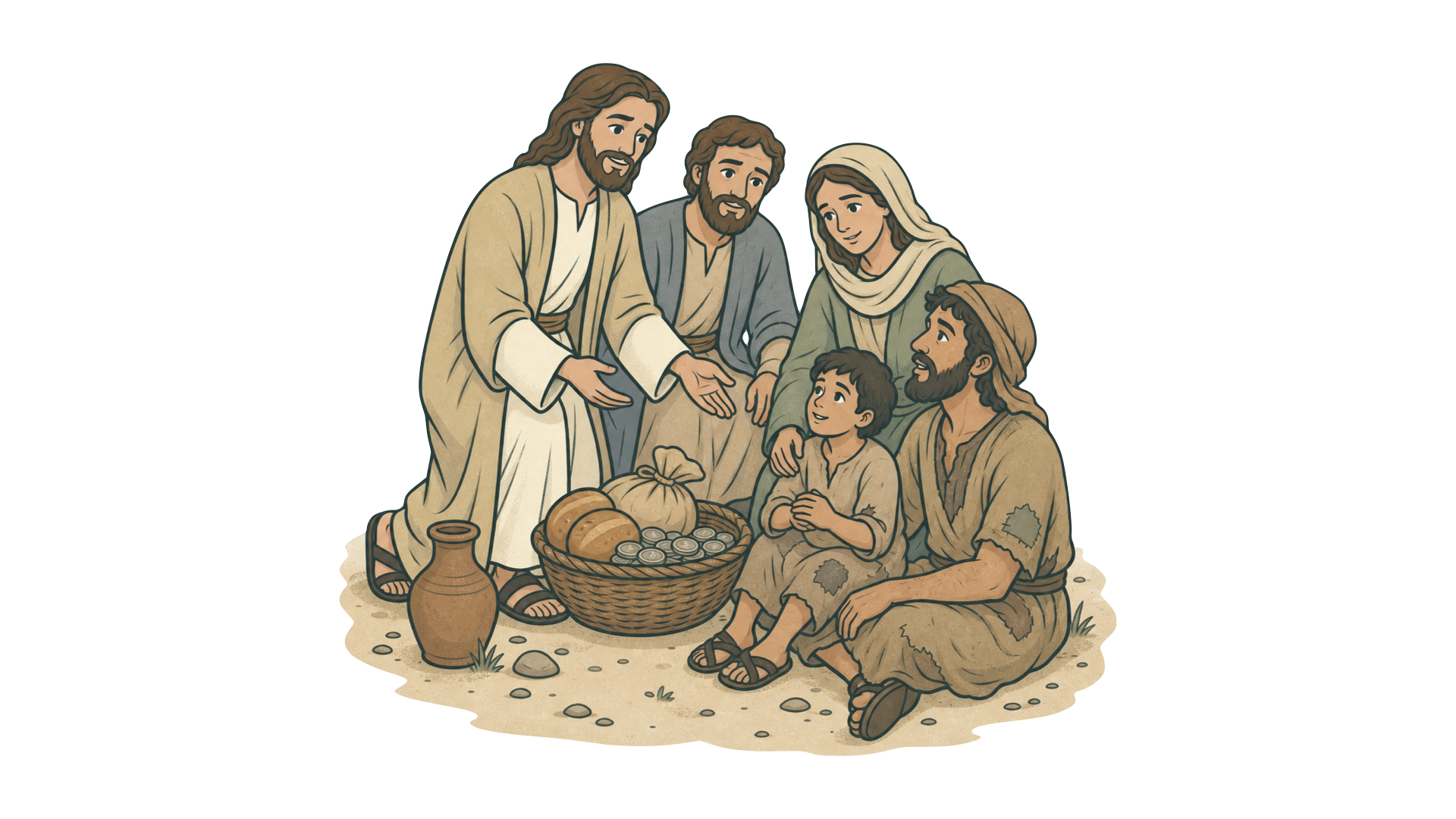
Let All That You Do Be Done In Love (1 Corinthians 16)
In our study group on May 18, 2026, we reached the final chapter of 1 Corinthians. This book has been all about viewing every part of life through the lens of the gospel, as the Apostle Paul's answer to the Corinthian church's many problems—division, immorality, and pride—was to consistently point them back to the death, burial, and resurrection of Jesus Christ. If chapter 15 was about the theology of the resurrection, then chapter 16 is about intionally living it out in daily life.