

Answer The Call
The Bible Caller Club Meeting Notes Blog
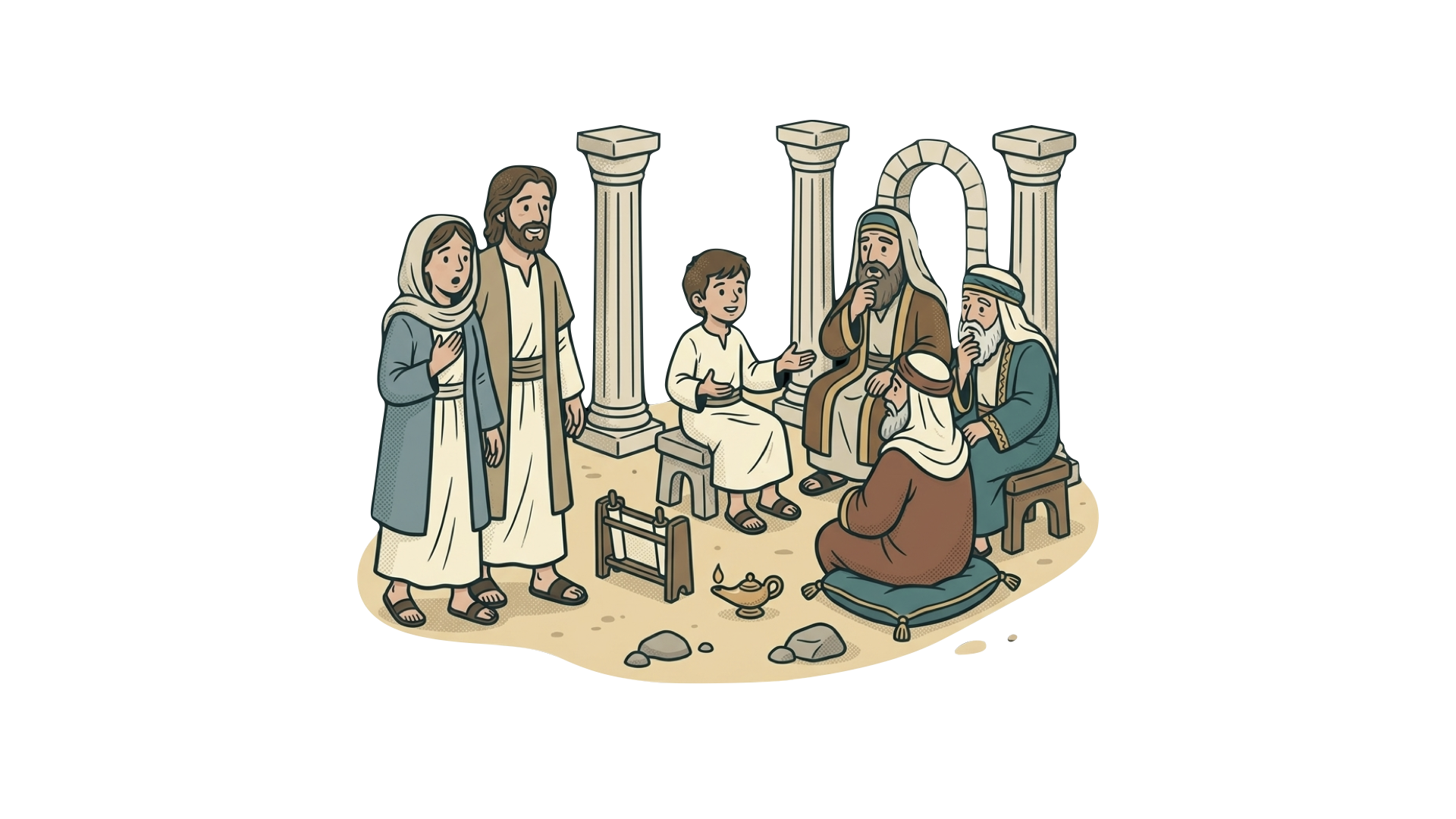
Did You Not Know That I Had to Be in My Father's House? (Luke 2:21-52)
Luke 2:21–52 teaches that finding Jesus requires patient waiting and faithful searching, ultimately discovering that He is found in His Father’s house, where we must seek Him according to God’s timing.
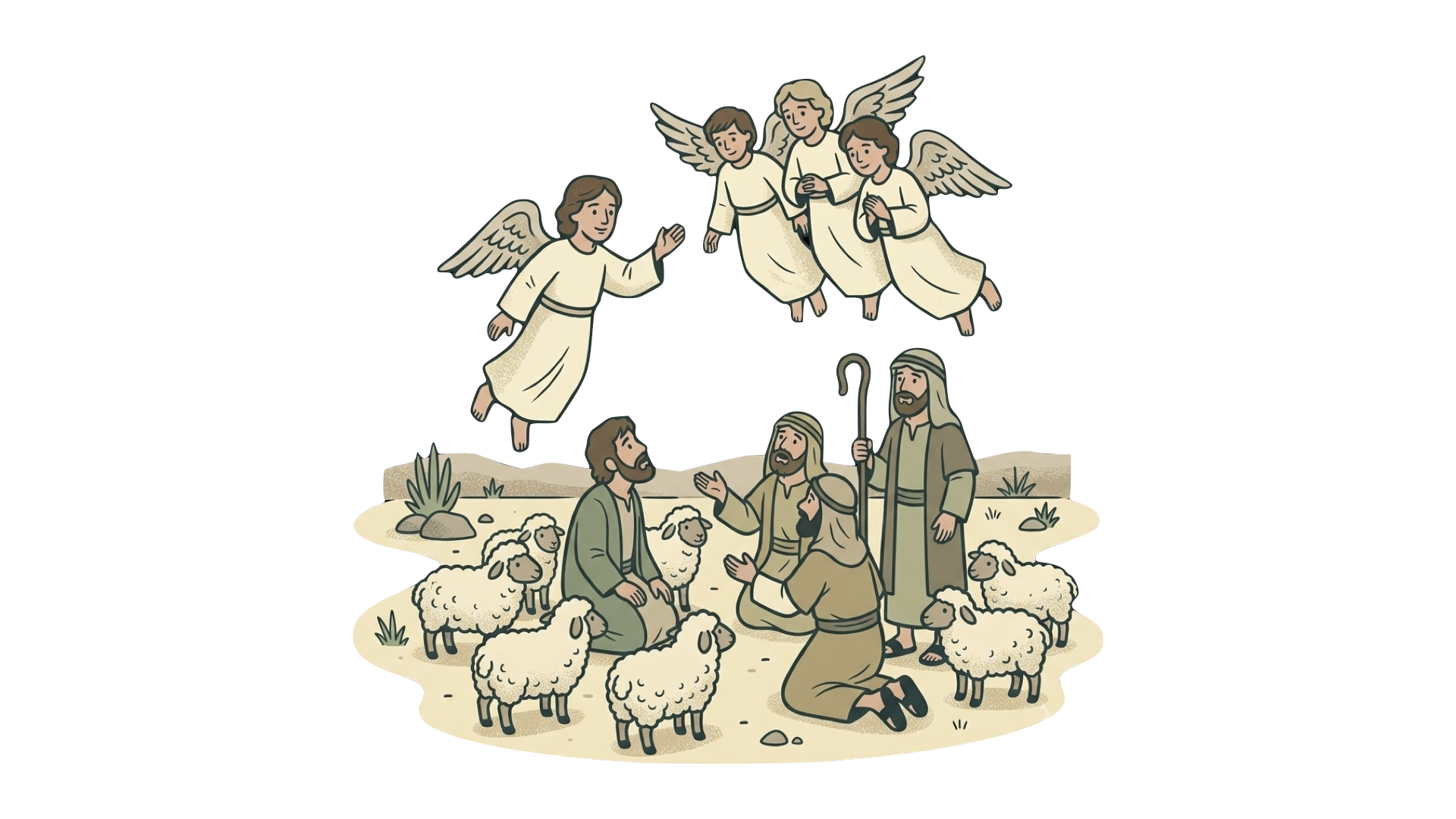
Let Us Go and See This Thing That Has Happened (Luke 2:1-20)
In Luke 2:1-20, God sovereignly brings about the birth of Jesus in humble circumstances, reveals the Savior to ordinary shepherds, and calls us to respond with faith, praise, and bold witness to what He has done.
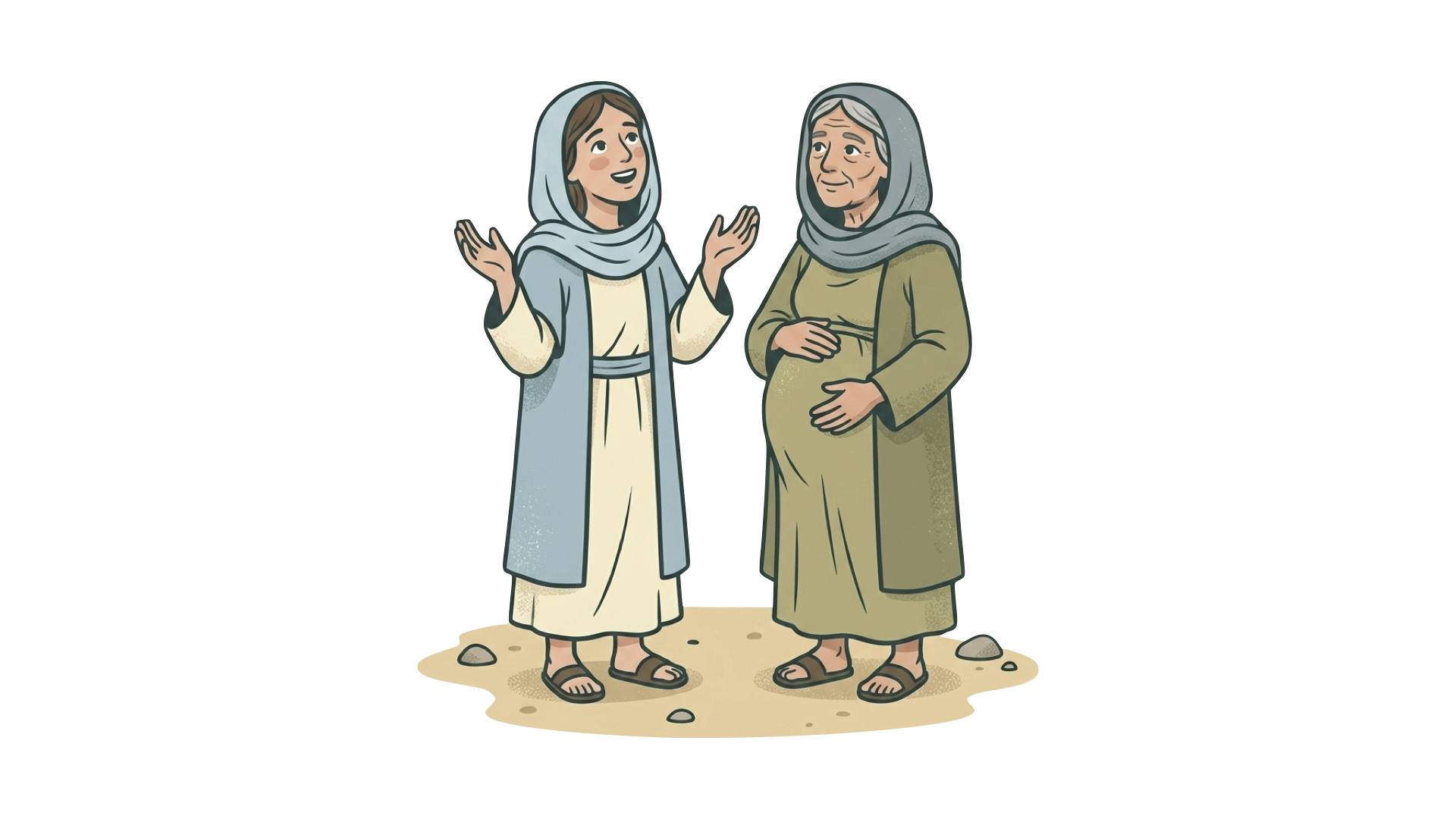
My Soul Magnifies the Lord (Luke 1:39-80)
In Luke 1:39-80, Mary and Zechariah magnify the Lord as God, through the Holy Spirit, confirming that He keeps His promises, lifts up the humble, and faithfully brings His salvation to fruition in His perfect timing.
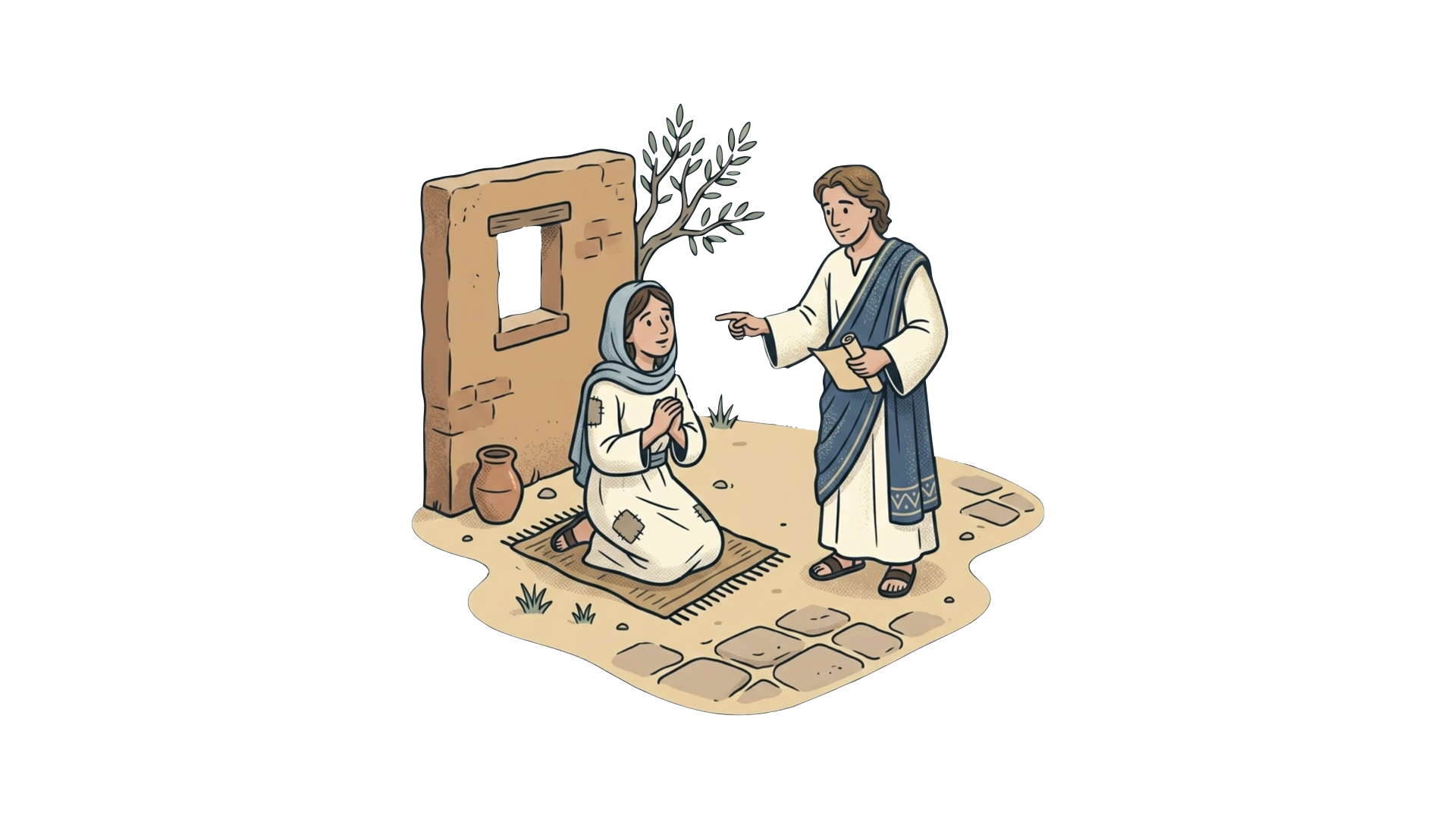
Nothing Will Be Impossible with God (Luke 1:1-38)
In Luke 1:1-38, God begins His orderly revelation of Jesus by showing that He faithfully fulfills His promises through unlikely people, calling us to trust His sovereign power because nothing is impossible with Him.
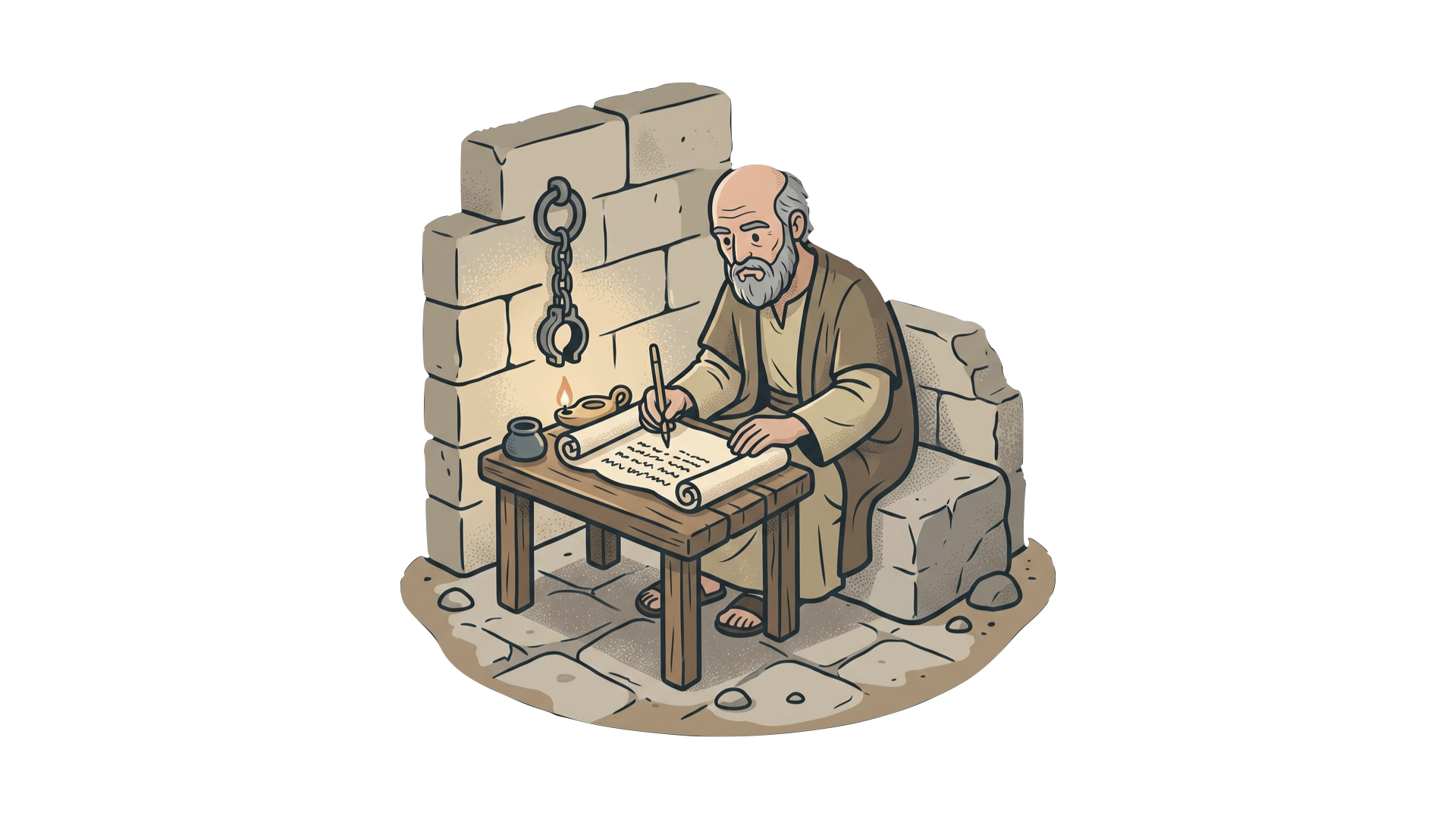
Remember My Chains (Colossians 4)
In Colossians 4, Paul closes by calling believers to devoted prayer, gracious speech, faithful ministry, and mutual encouragement, reminding them that God sovereignly advances the gospel through Christ-centered community even in the midst of suffering and chains.
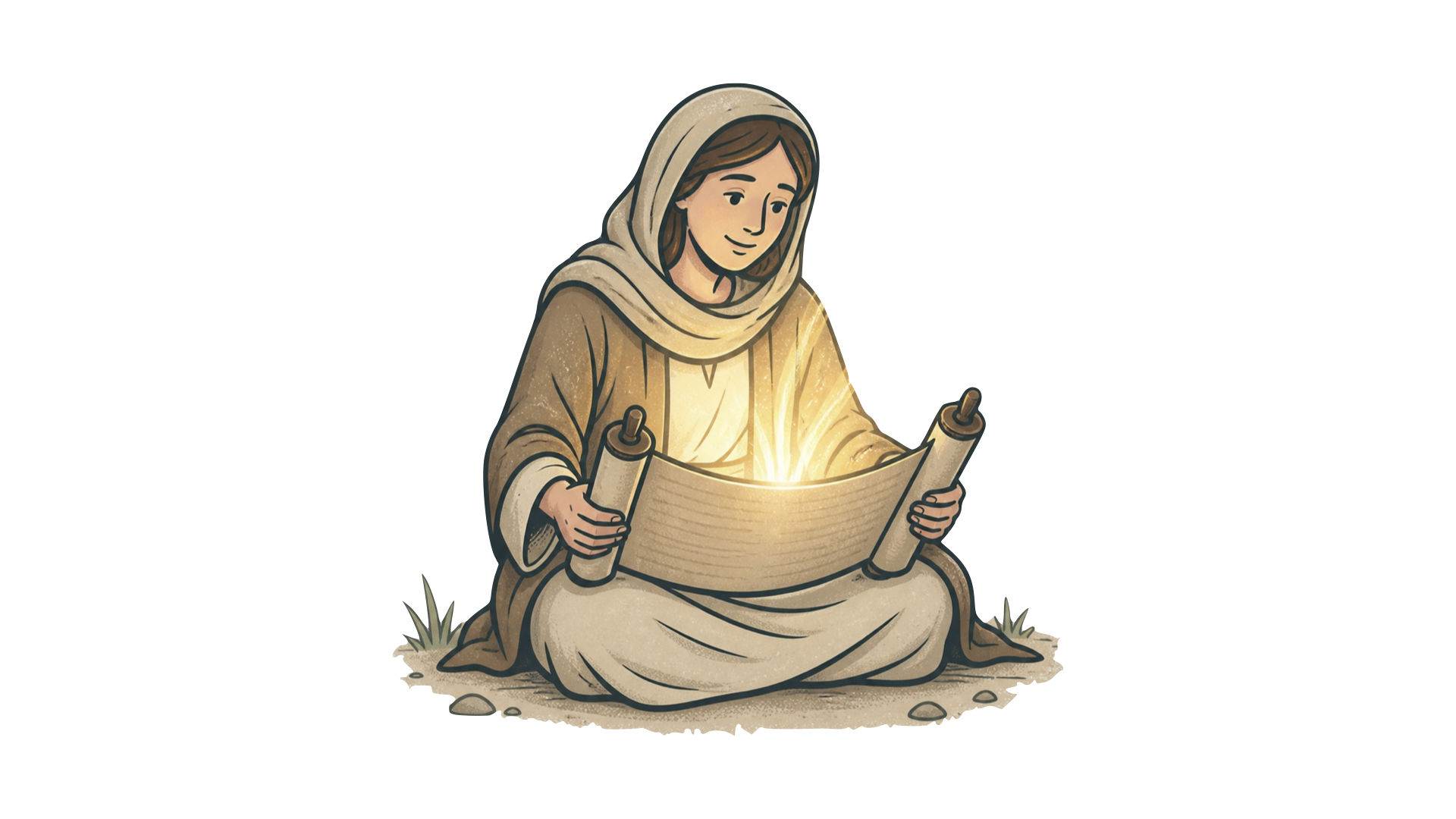
Let the Word of Christ Dwell in You Richly (Colossians 3)
Colossians 33 teaches that because believers have been raised with Christ, they must set their minds on Him, put off their old sinful ways, put on Christlike virtues, let His word shape them deeply, and live out that new identity in every relationship and action.
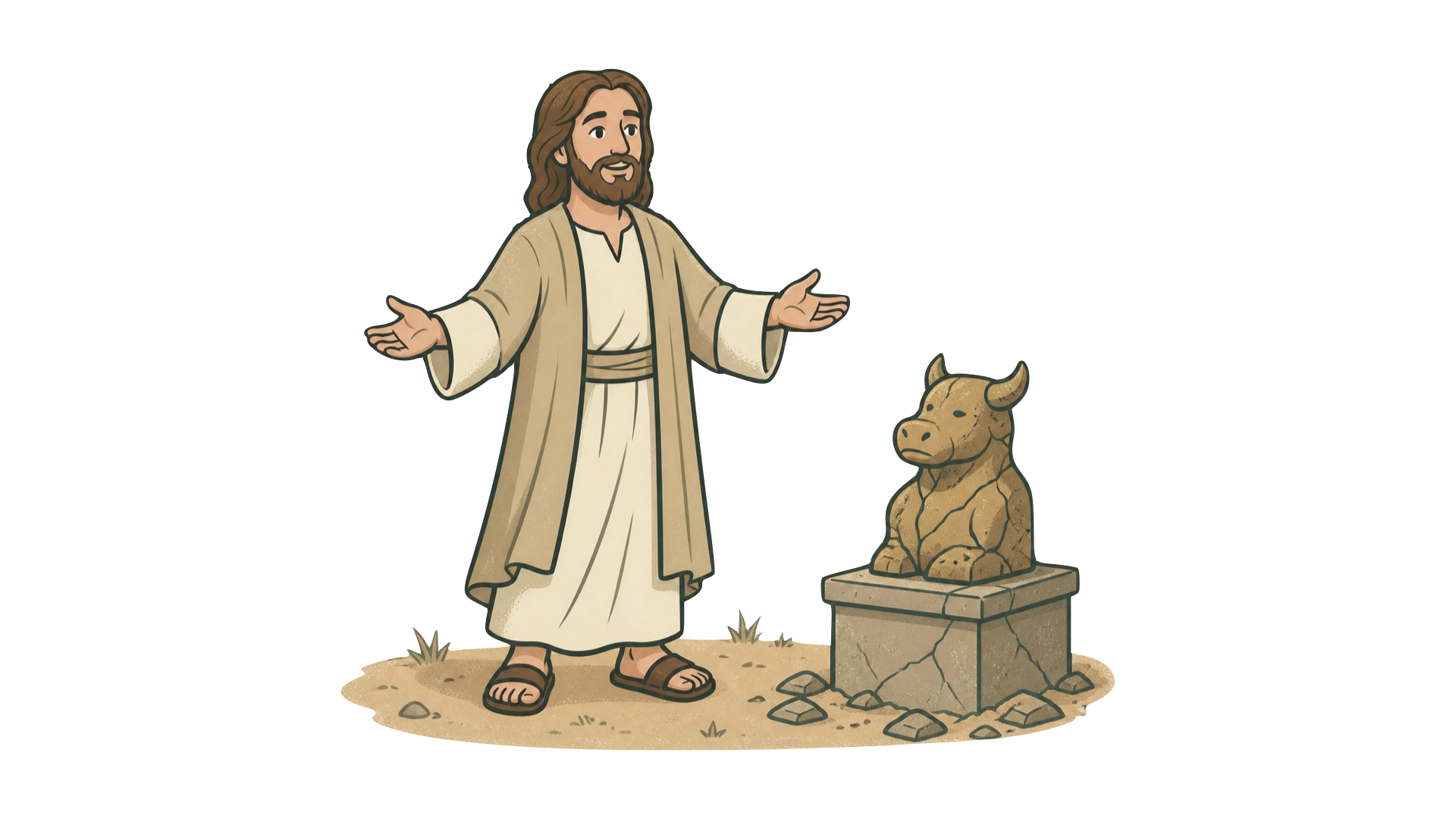
The Substance Belongs to Christ (Colossians 2)
Colossians 2 teaches that because all wisdom, fullness, and salvation are found completely in Christ, believers must reject false teaching, human traditions, and man-made religious rules, and hold fast to Him alone as the true substance rather than the shadows.
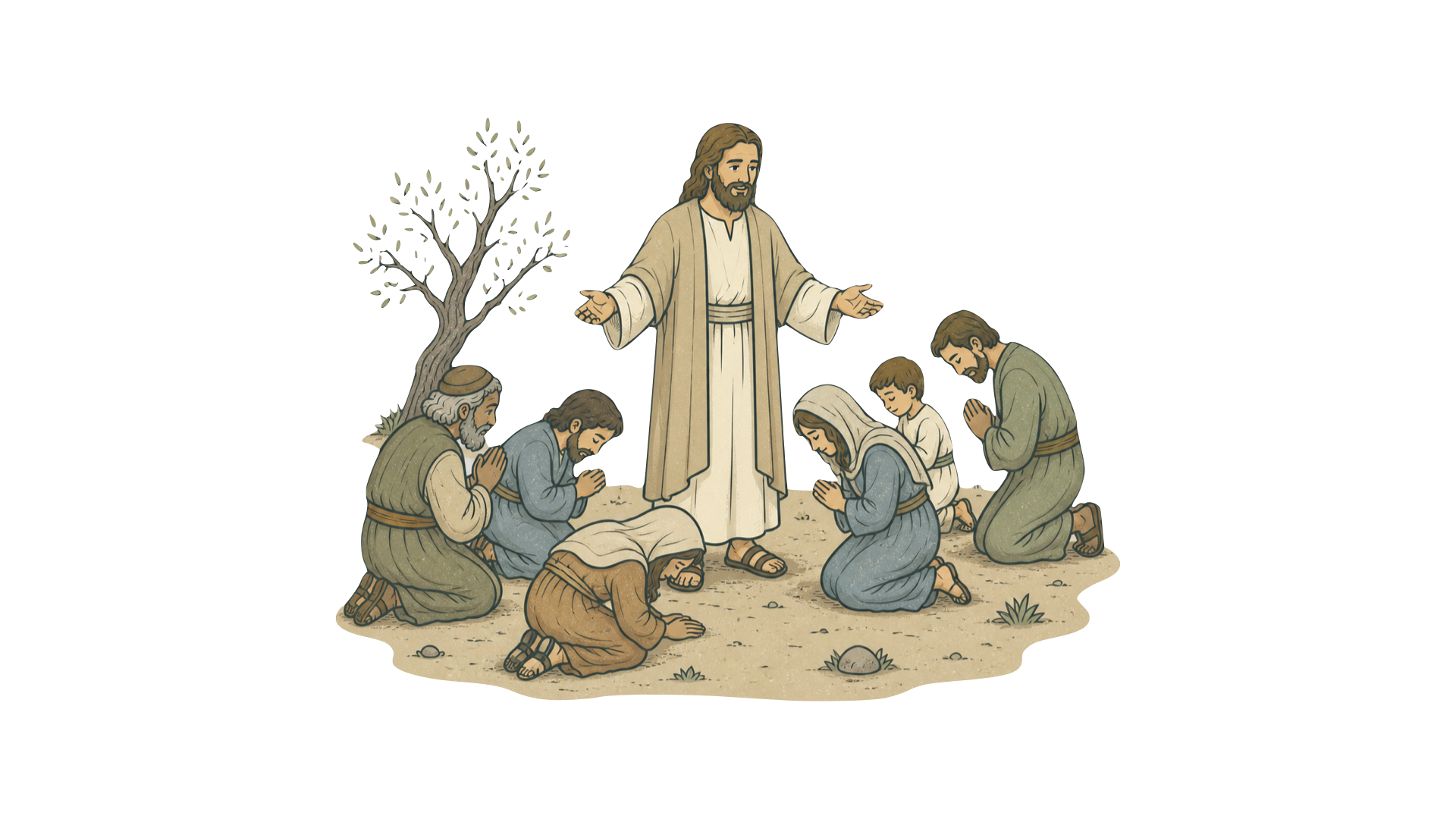
He Will Come to Have First Place in Everything (Colossians 1)
Colossians 1 presents Christ as the fully divine Creator, Sustainer, Head of the church, and Reconciler of sinners, urging believers to resist false teachings and give Him first place in everything by standing firm in the hope of the gospel.
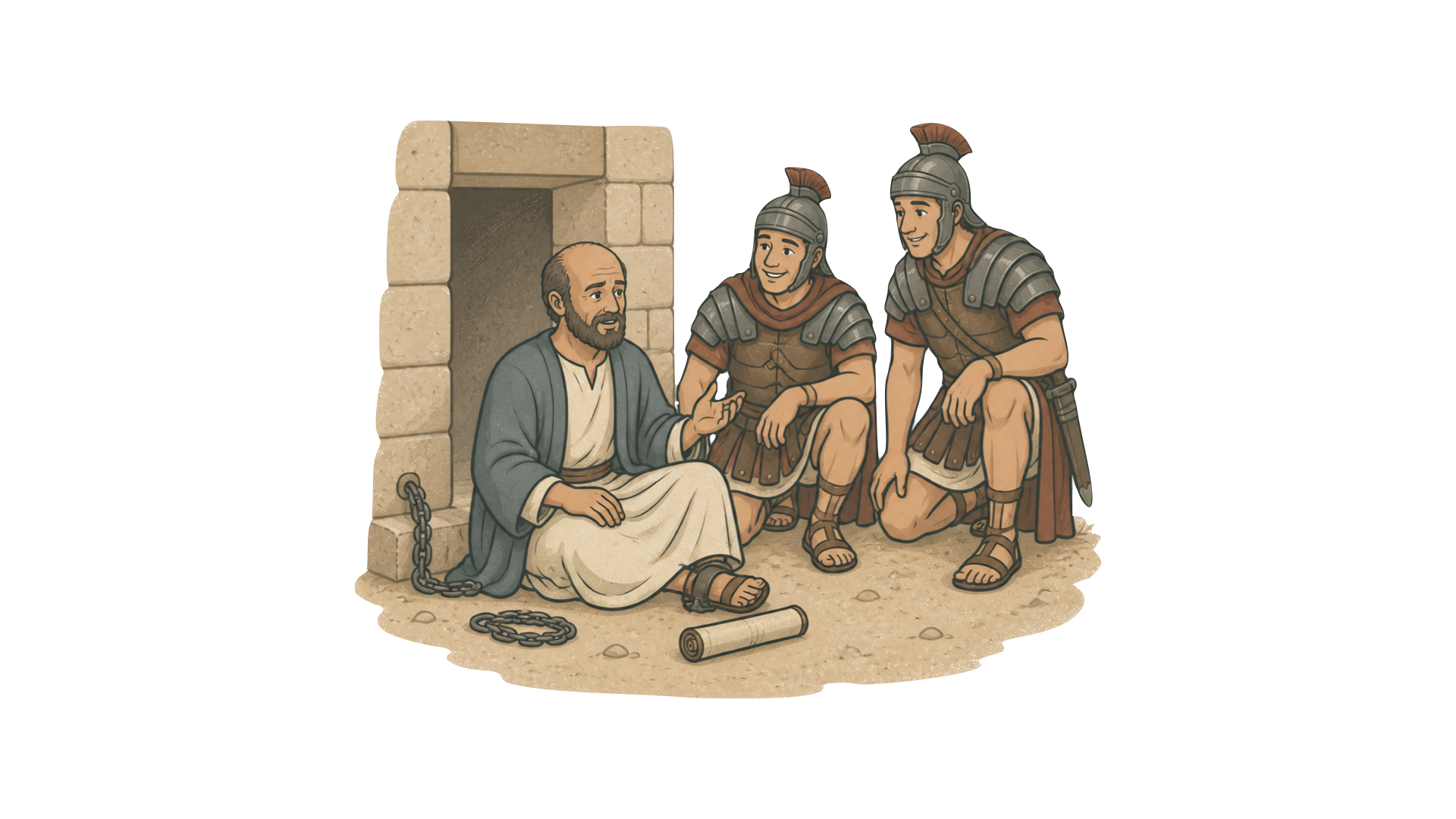
Especially Those of Caesar's Household (Philippians 4)
Paul closes Philippians by calling believers to stand firm in their heavenly citizenship through unity, prayer, right thinking, generosity, and Christ-centered contentment, trusting that God’s peace, strength, and provision will sustain them and even use suffering to advance the gospel.
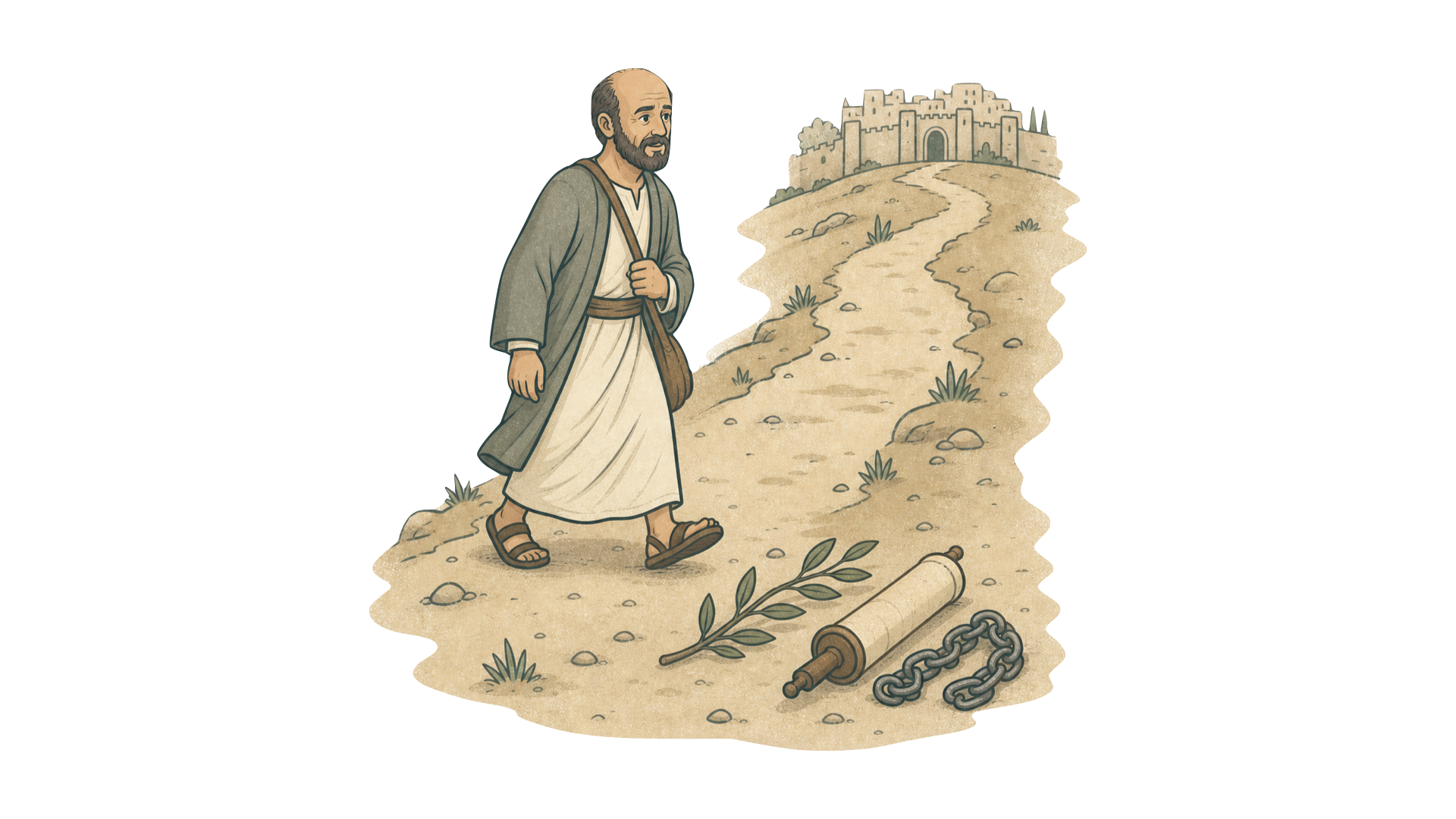
I Count It All Loss (Philippians 3)
Paul declares that every earthly credential and source of self-confidence is worthless compared to knowing Christ, so believers must press on in faith, reject an earthly mindset, and live as citizens of heaven who follow the way of the cross.
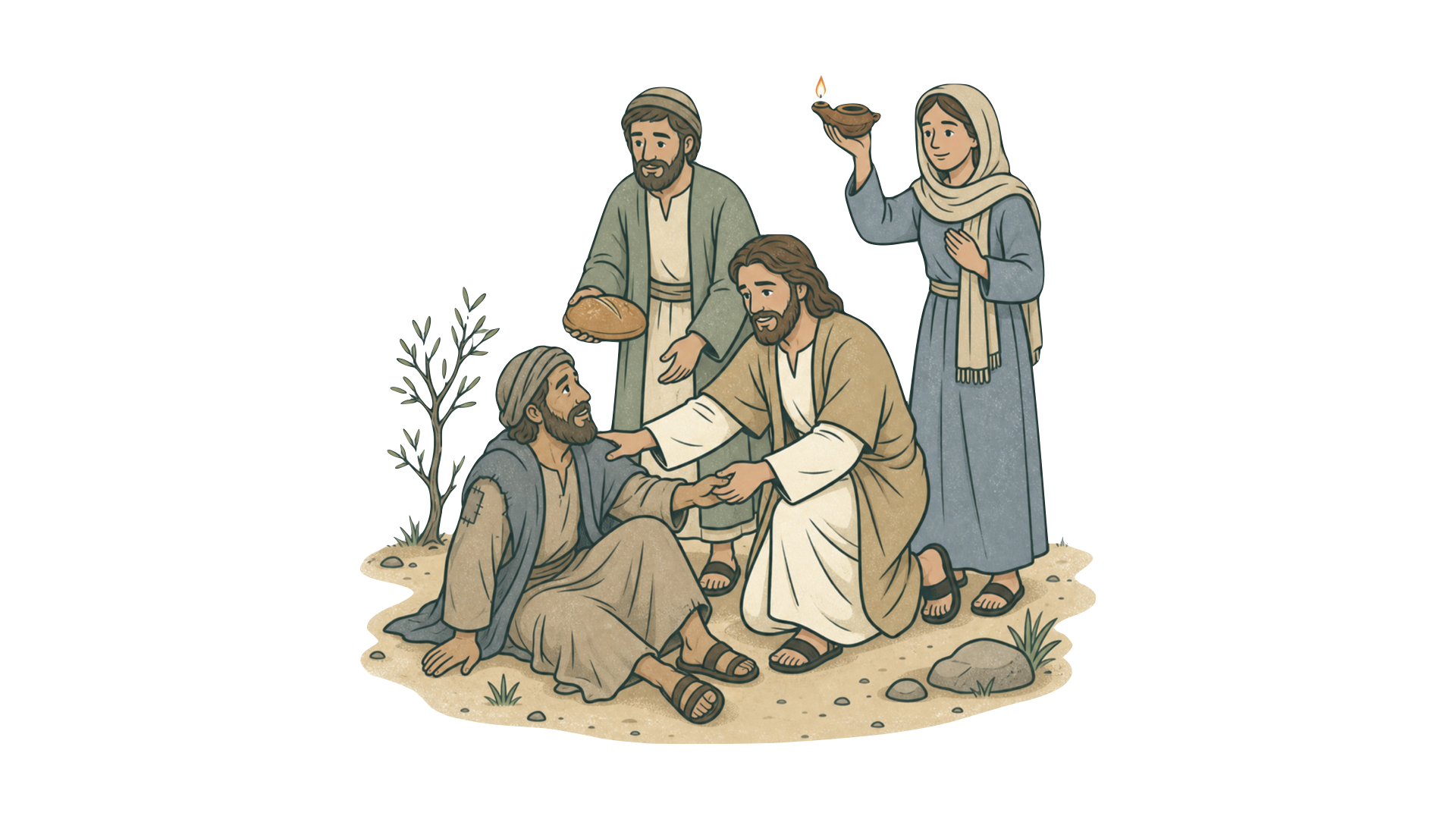
Shine as Lights in the World (Philippians 2:12-30)
Paul calls believers to live out the salvation God is already working in them by rejecting grumbling and selfishness, sacrificially serving others like Paul, Timothy, and Epaphroditus, and thereby shining as God’s lights in a dark world.
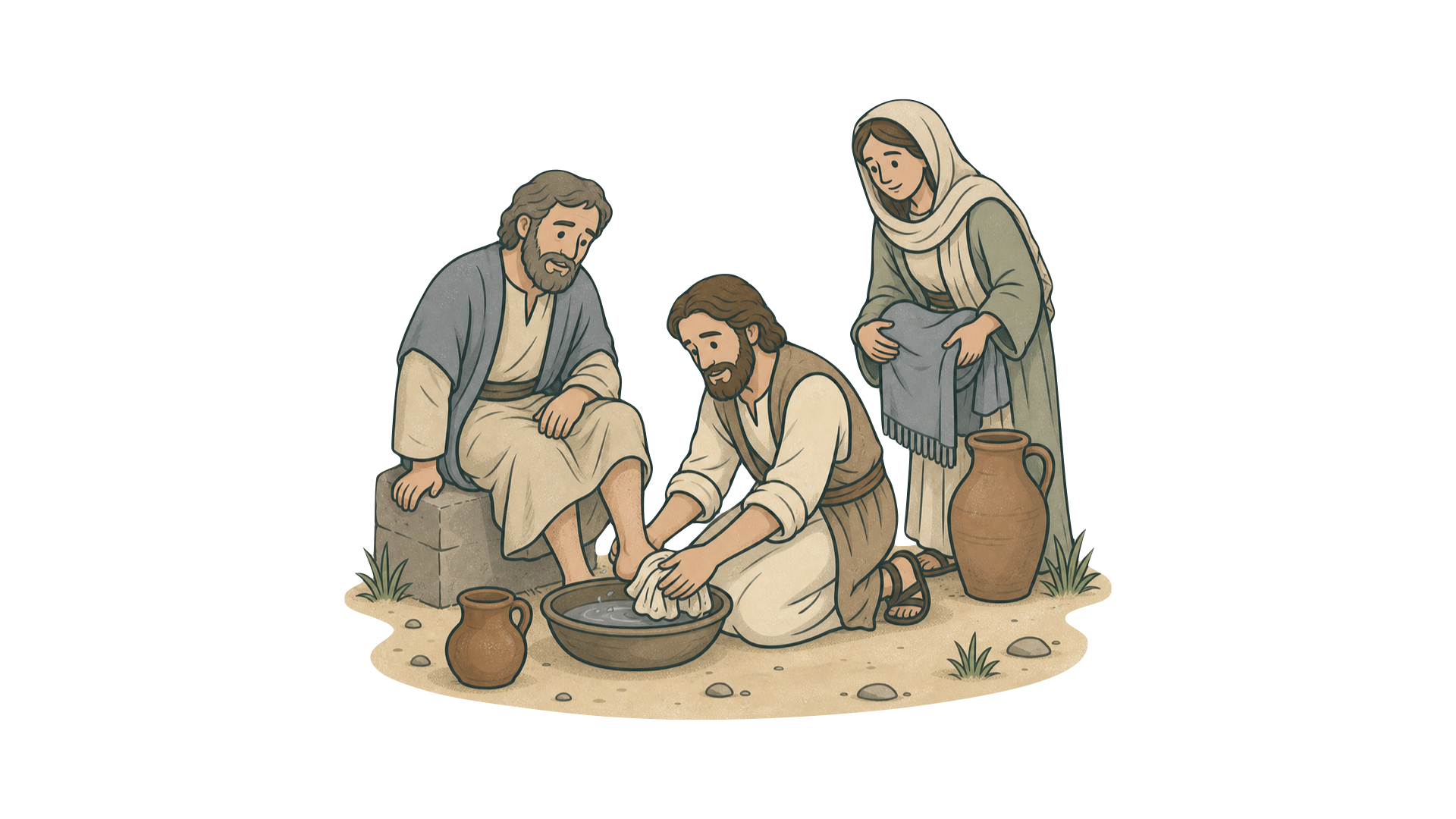
Have This Way of Thinking in Yourself (Philippians 2:1-11)
Paul urges believers in Philippi to overcome selfish ambition and division by adopting the humble, self-sacrificing mindset of Christ—who lowered himself to serve and die, was exalted by the Father, and will one day be acknowledged by all as Lord.
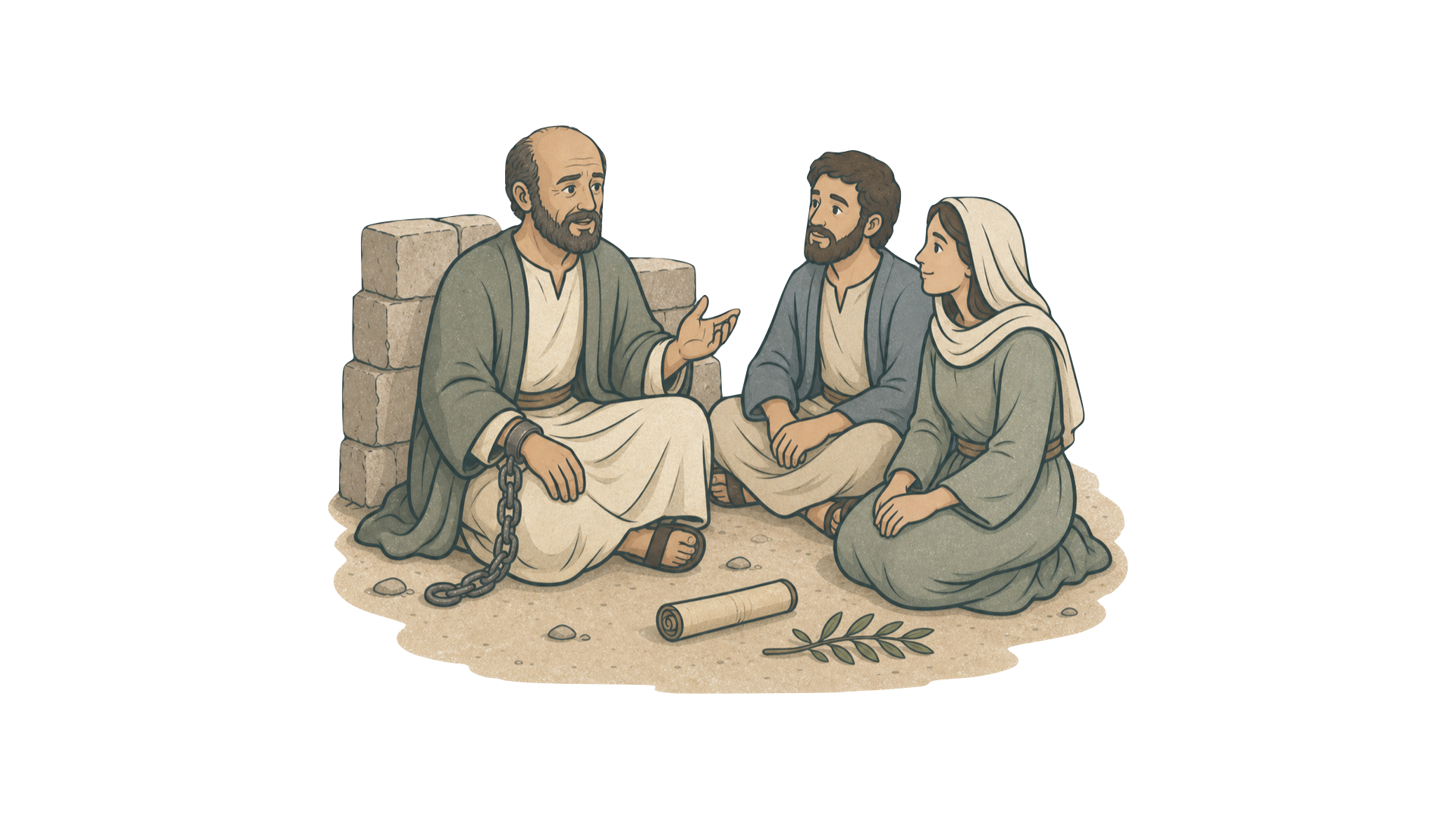
To Live is Christ and to Die is Gain (Philippians 1)
Philippians 1 shows that even in prison Paul rejoices because Christ is being proclaimed, calling believers to grow in discerning love and unity, view suffering through God’s purposes, and live with the conviction that to live is Christ and to die is gainto live is Christ and to die is gain.
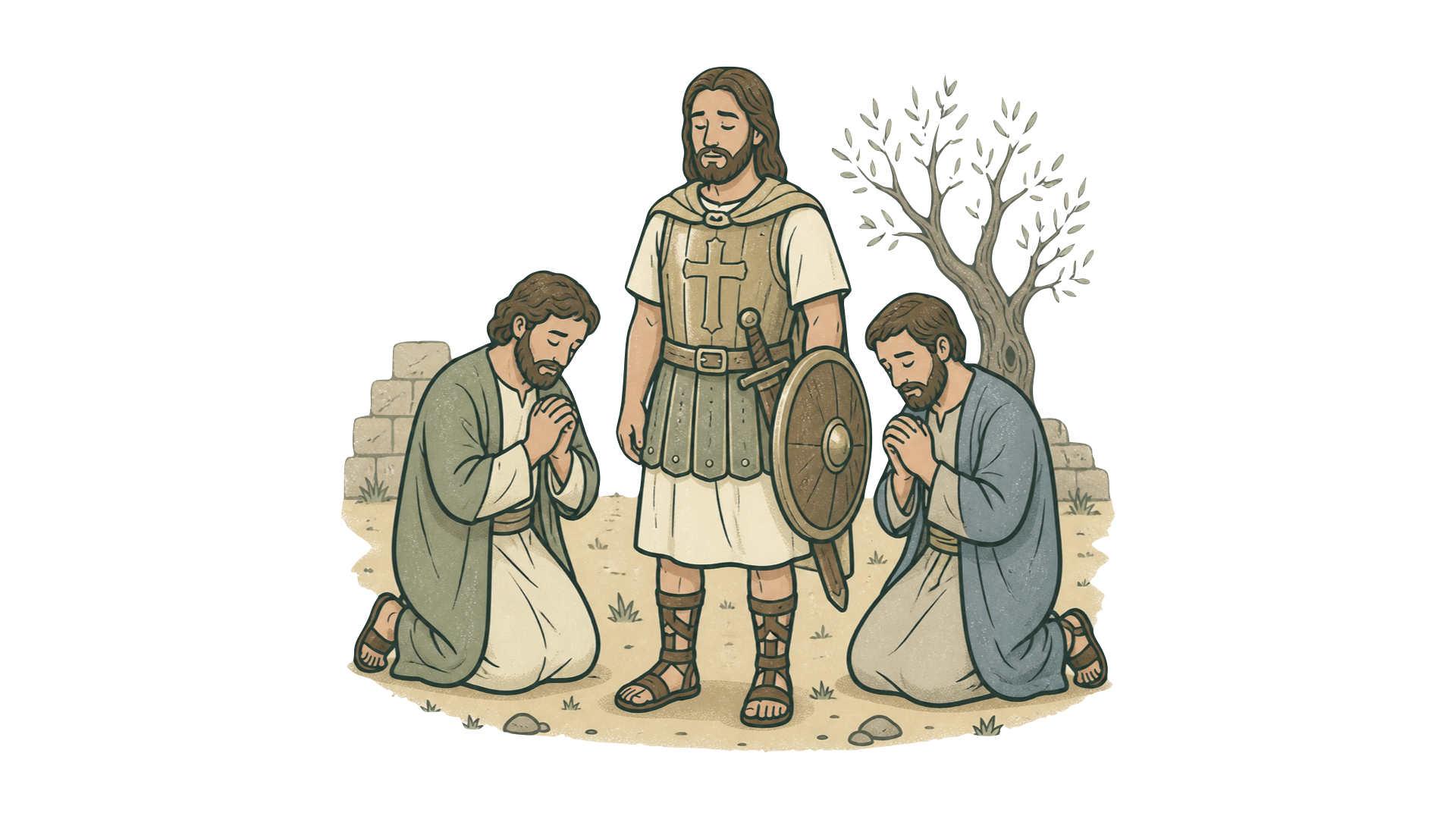
Be Strong in the Lord and in the Might of His Strength (Ephesians 6)
In our Bible study on June 19, 2026, we concluded our series on the book of Ephesians. This final passage wraps up the Apostle Paul's letter by urging believers to stand firm in a spiritual battle, flowing directly from his earlier instructions on how to live out our faith in unity, love, and subjection to one another in the fear of Christ.
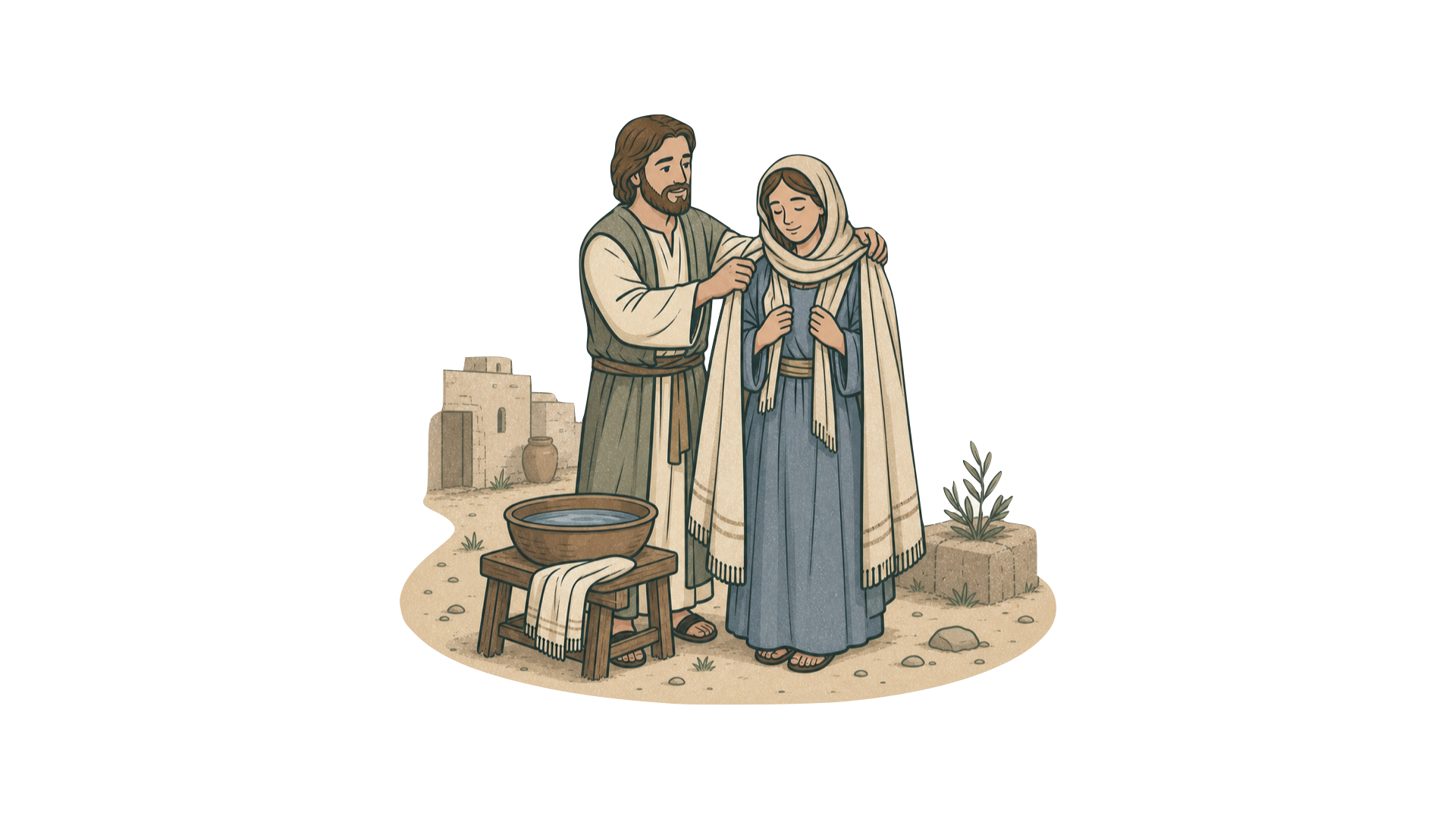
Presented Without Spot or Wrinkle (Ephesians 5:22-33)
In our Bible study on June 18, 2026, we continued our journey through the book of Ephesians. The group is working through how to live a life "filled with the Spirit," a theme from earlier in chapter five, which includes living in subjection to one another. This specific passage flows directly from that idea, as Paul gives the relationship between husbands and wives as the first practical example of what mutual subjection looks like.
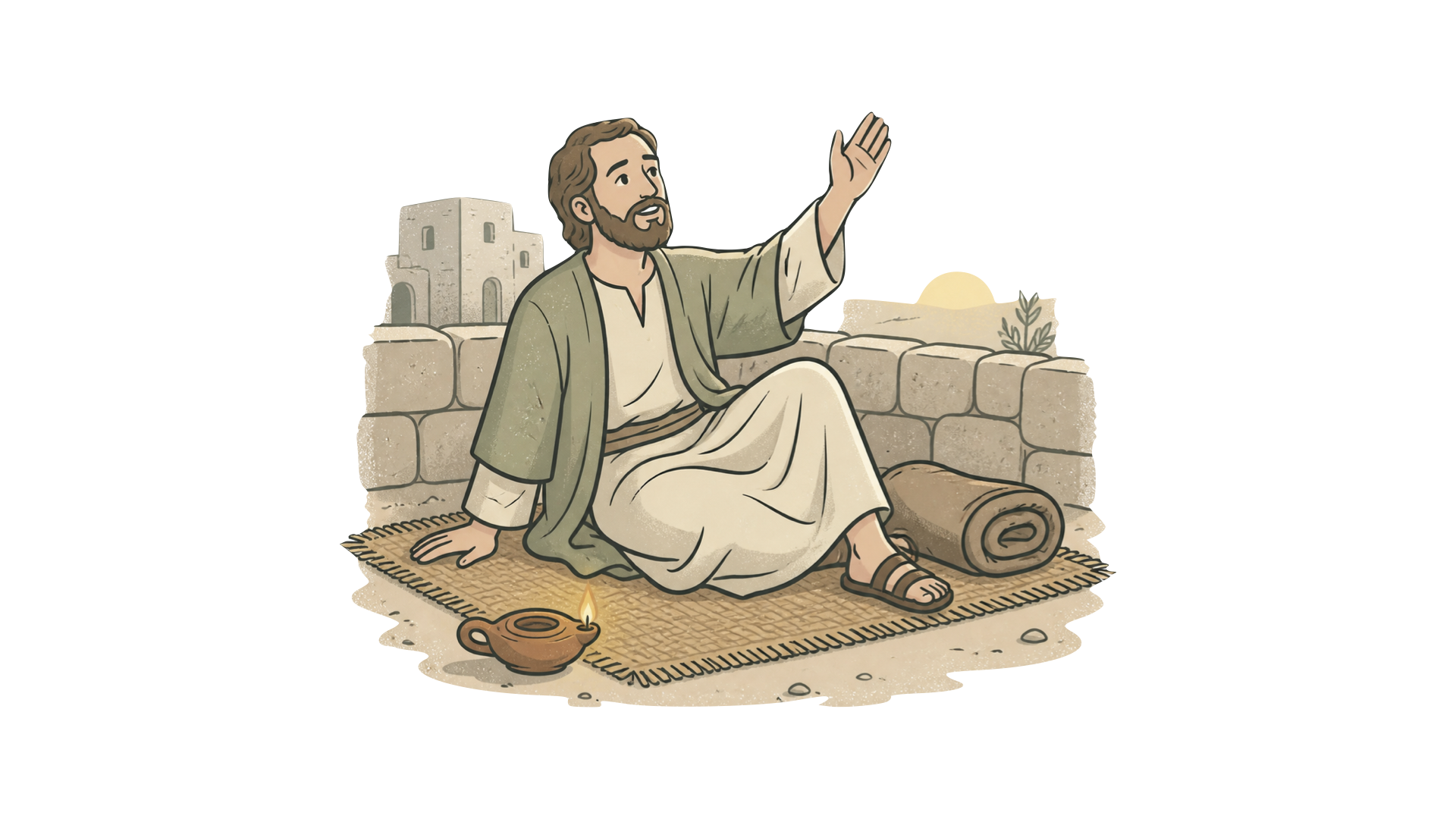
Awake, O Sleeper! (Ephesians 5:1-21)
In our study on the evening of June 16, 2026, we continued our journey through the book of Ephesians. The group remembered that chapters one through three focus on God's grace and love, while chapters four through six are the practical application of how our lives should change because of that grace, which flows directly into today’s passage.
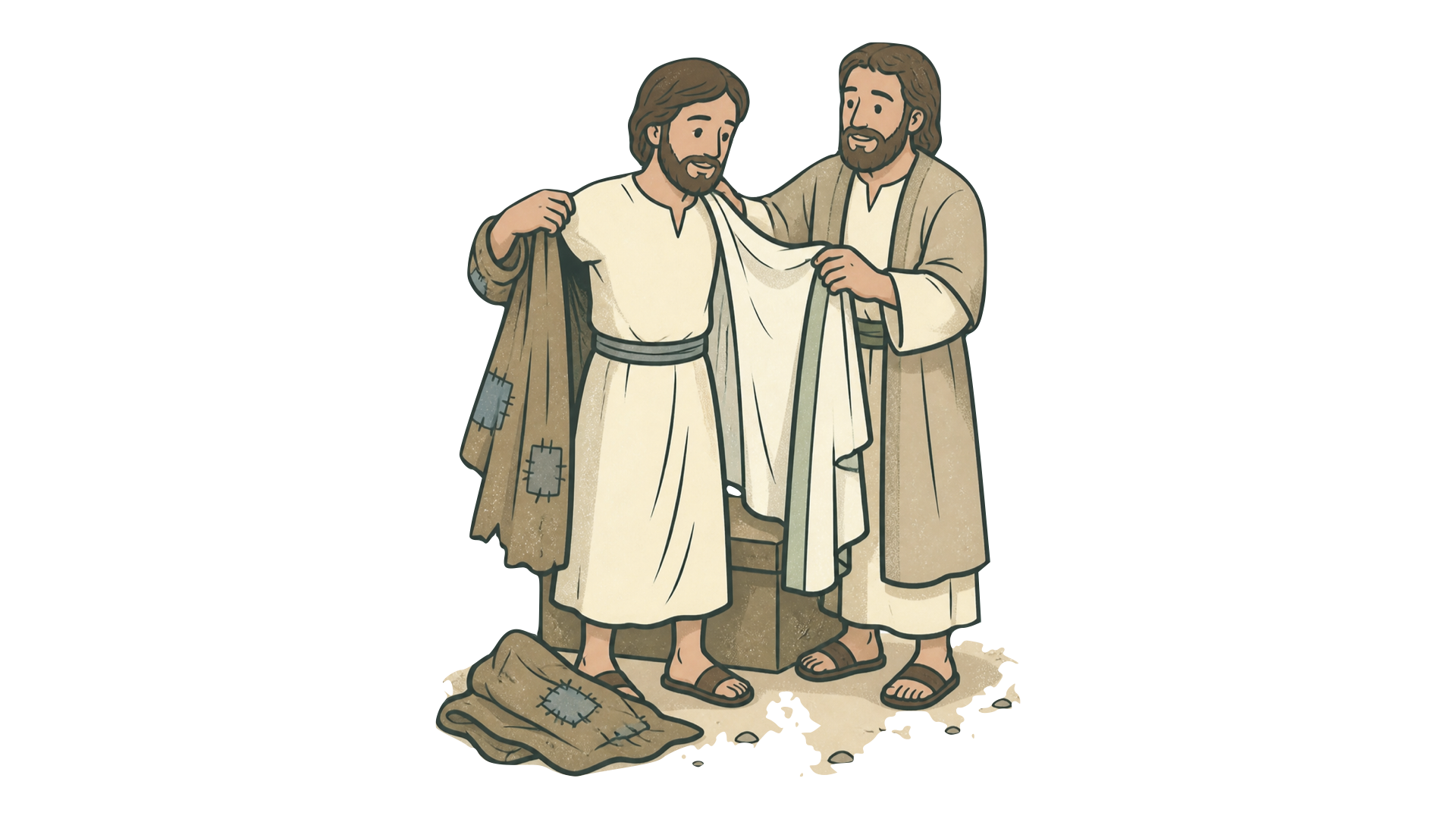
Putting On The New Man (Ephesians 4:17-32)
In our study on June 15th, 2026, we continued our journey through the book of Ephesians. The overall context for this letter is that Paul is writing to a church in Ephesus, a city that was once deeply embedded in pagan worship, to remind them that they are now one family in Christ and should live accordingly. This specific passage flows directly from the previous section (Ephesians 4:1-16), where Paul explained that the church body must work together to build itself up in love, and now he gives practical instructions on how to do that by putting off the "old man" and putting on the "new man."
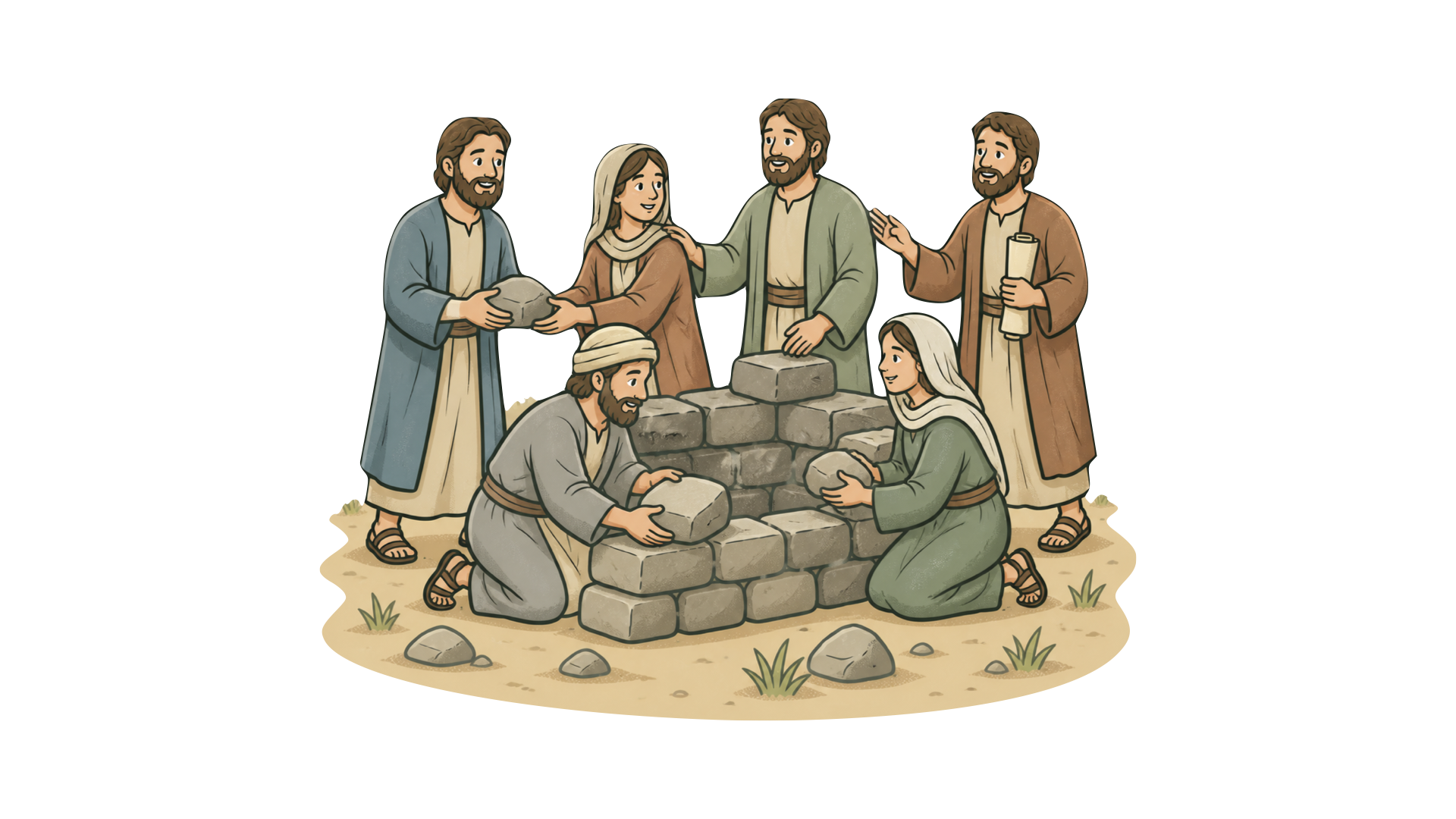
Building Up In Love (Ephesians 4:1-16)
In our study on June 14, 2026, we began our look into the second half of the book of Ephesians. As we learned, this is a turning point from theology to application, starting with the word "Therefore." The overall context for the church at Ephesus involved a culture steeped in pagan worship and the occult, a warning from Jesus in Revelation that they had "lost their first love," and Paul's own prophecy that false teachers would come in among them, all leading to disunity. This passage flows directly from the first three chapters, which detail God's grace toward us, by explaining how we, in turn, should show grace toward one another by using our individual gifts to build up a unified church.
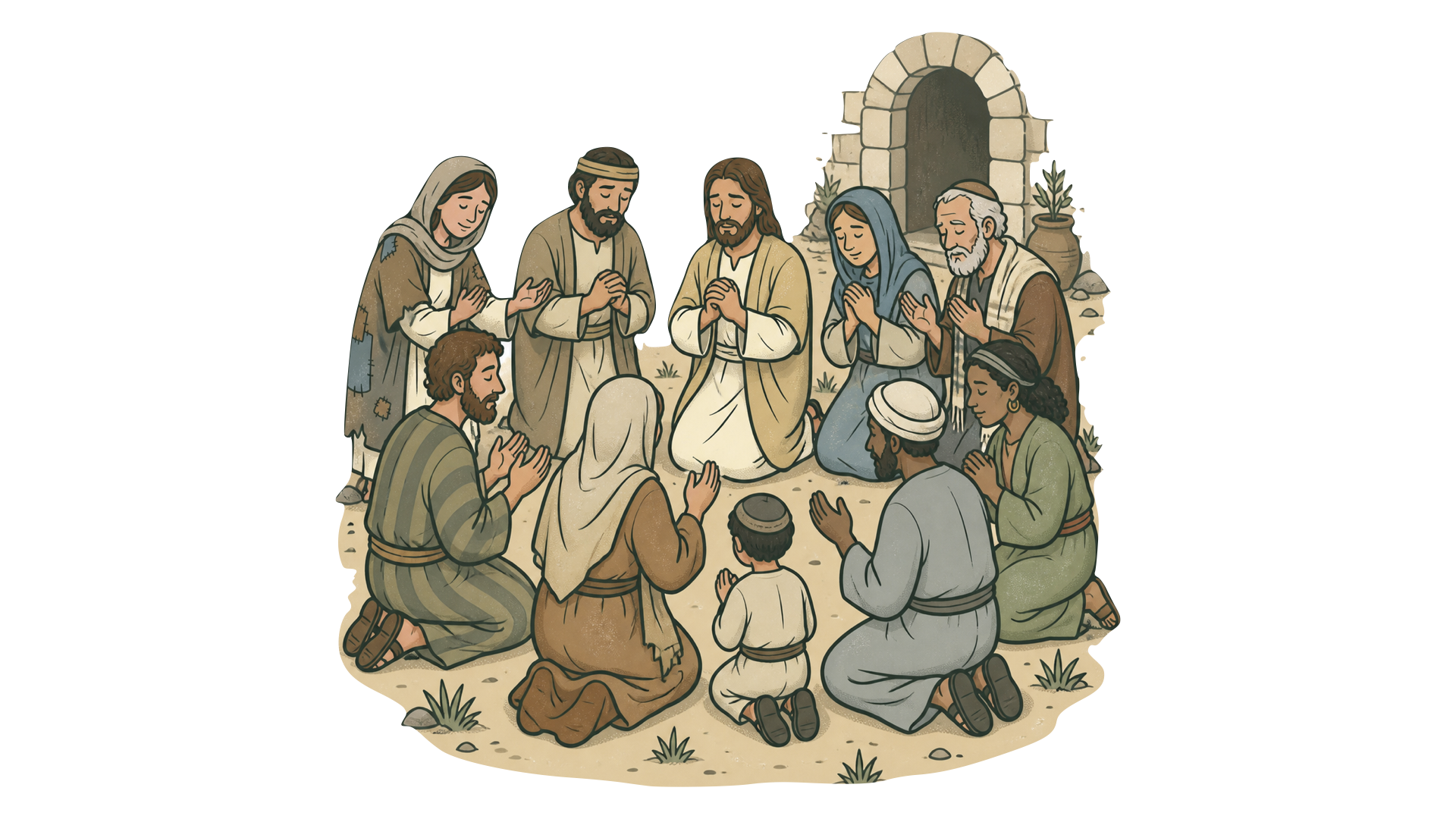
Stop Limiting God (Ephesians 3)
In our Bible study on June 13, 2026, we continued our journey through the book of Ephesians. Paul wrote this letter to the church in Ephesus to remind them of God's grace that unites believers into one family; this specific passage explains Paul's role in revealing God's grace and offers a prayer that the Ephesians would fully grasp it.
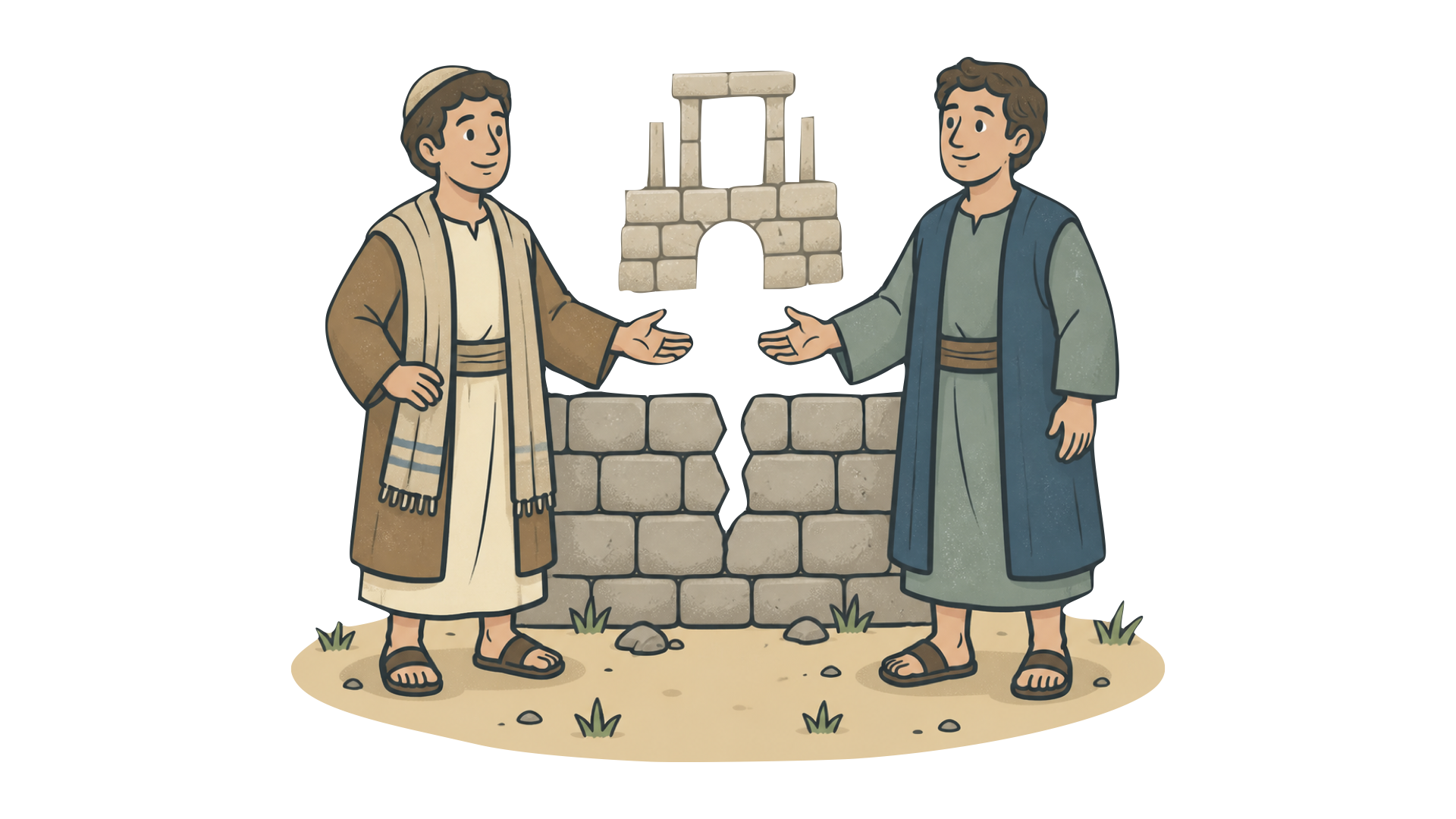
He Himself Is Our Peace (Ephesians 2)
In our Bible study on June 12, 2026, we continued our journey through the book of Ephesians. The overall context for this letter is that Paul, writing from prison in Rome, is addressing the church in Ephesus, a city steeped in occult practices, which caused tension between Jewish and Gentile believers. In chapter one, Paul reminded them of the grace they have in Christ and prayed they would understand the power of Jesus who is head over the church; this passage flows directly from that by reminding them of what that grace saved them from and what it has united them for.